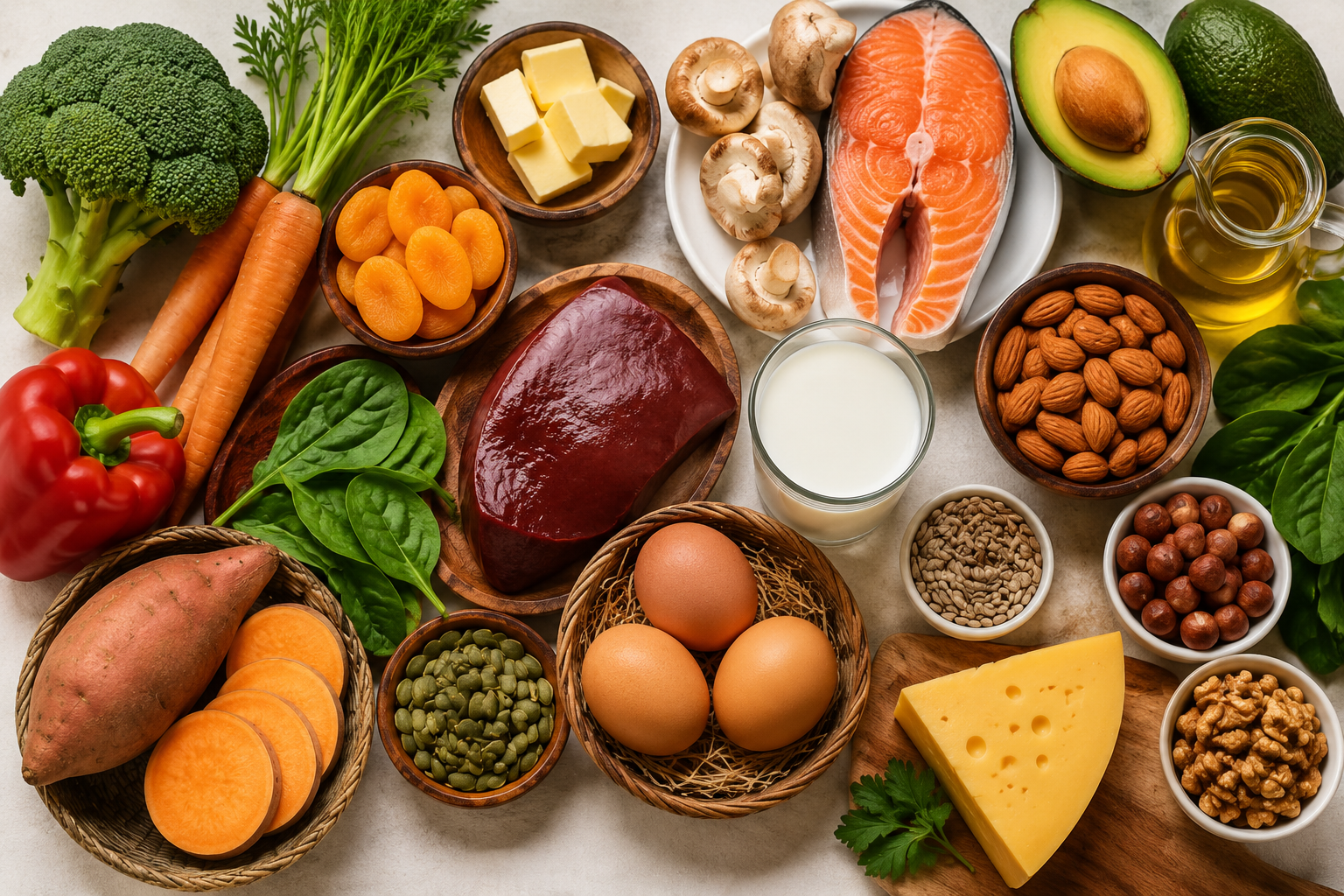
Vitamins are essential nutrients that help the body function properly. Among the most important are vitamins A, D, and E. These fat-soluble vitamins support vision, bone health, immunity, skin health, and protection against oxidative damage. Since the body stores them in fatty tissues and the liver, maintaining a balanced intake is important for overall health.
Understanding the role of these vitamins can help you make healthier dietary choices and recognize early signs of nutritional deficiencies.
What Is Vitamin A?
Vitamin A is a fat-soluble vitamin that plays a key role in maintaining healthy vision, supporting immune function, and promoting normal growth and development. It exists in two primary forms:
- Preformed vitamin A: Found in animal-based foods.
- Provitamin A carotenoids: Found in plant-based foods and converted into vitamin A by the body.
Health Benefits of Vitamin A
Supports Healthy Vision
Vitamin A is essential for maintaining normal eyesight. It helps the retina function properly and supports vision in low-light conditions.
Strengthens the Immune System
It contributes to the body’s natural defense mechanisms by supporting the health of tissues in the respiratory and digestive systems.
Promotes Skin Health
Vitamin A helps maintain healthy skin cells and may support normal skin repair processes.
Supports Growth and Development
Adequate vitamin A intake is important during childhood and adolescence for healthy growth.
Food Sources of Vitamin A
Animal-based sources include:
- Liver
- Egg yolks
- Cheese
- Whole milk
Plant-based sources rich in beta-carotene include:
- Carrots
- Sweet potatoes
- Spinach
- Kale
- Mangoes
- Pumpkin
Signs of Vitamin A Deficiency
A deficiency in vitamin A may lead to:
- Difficulty seeing in dim light
- Dry eyes
- Frequent infections
- Dry skin
- Delayed growth in children
Understanding Vitamin D
Vitamin D is often referred to as the “sunshine vitamin” because the body produces it when the skin is exposed to sunlight. It is essential for calcium absorption and maintaining strong bones.
Benefits of Vitamin D
Supports Bone Health
Vitamin D helps the body absorb calcium, which is necessary for healthy bones and teeth.
Enhances Immune Function
Research suggests that vitamin D plays a role in supporting the immune system.
Supports Muscle Function
Adequate levels of vitamin D contribute to normal muscle performance and coordination.
Promotes Overall Well-Being
Maintaining healthy vitamin D levels may contribute to better overall health.
Sources of Vitamin D
Natural and dietary sources include:
- Sunlight exposure
- Fatty fish such as salmon and mackerel
- Egg yolks
- Fortified milk
- Fortified cereals
- Mushrooms exposed to UV light
Signs of Vitamin D Deficiency
Common symptoms may include:
- Fatigue
- Muscle weakness
- Bone discomfort
- Frequent illness
- Increased risk of fractures
People with limited sun exposure may be at a higher risk of deficiency.
The Importance of Vitamin E
Vitamin E is a powerful antioxidant that helps protect the body’s cells from damage caused by free radicals.
Benefits of Vitamin E
Protects Cells From Oxidative Stress
Vitamin E helps neutralize harmful molecules that can contribute to cellular damage.
Supports Immune Health
It assists in maintaining normal immune function.
Promotes Healthy Skin
Vitamin E contributes to skin health by supporting the skin’s natural protective barrier.
Supports Eye Health
Adequate vitamin E intake is important for maintaining healthy vision.
Food Sources of Vitamin E
Good dietary sources include:
- Almonds
- Sunflower seeds
- Peanuts
- Spinach
- Avocados
- Vegetable oils
Signs of Vitamin E Deficiency
Although uncommon, deficiency may cause:
- Muscle weakness
- Vision problems
- Difficulty with coordination
- Numbness or tingling
- Reduced immune function
Recommended Daily Intake
The amount of vitamins needed can vary based on age, sex, and life stage.
Vitamin A
- Adult men: 900 mcg RAE per day
- Adult women: 700 mcg RAE per day
Vitamin D
- Adults up to age 70: 600 IU per day
- Adults over 70: 800 IU per day
Vitamin E
- Adults: 15 mg per day
Individual nutritional needs may vary. Consulting a healthcare professional can help determine appropriate intake levels.
Can You Get Enough From Food Alone?
In many cases, a balanced diet can provide sufficient amounts of vitamins A, D, and E. Consuming a variety of fruits, vegetables, healthy fats, dairy products, nuts, and protein-rich foods supports overall nutritional health.
However, some individuals may require additional guidance, including those who:
- Follow restrictive diets
- Have certain digestive conditions
- Spend little time outdoors
- Are pregnant or breastfeeding
Any decision regarding supplementation should be discussed with a qualified healthcare provider.
Tips for Maintaining Healthy Vitamin Levels
Eat a Balanced Diet
Include colorful fruits and vegetables, healthy fats, lean proteins, and whole grains in your daily meals.
Spend Time Outdoors Safely
Moderate sun exposure may help support natural vitamin D production.
Include Nuts and Seeds
These foods can contribute to your vitamin E intake.
Schedule Routine Health Checkups
Regular medical evaluations may help identify nutritional concerns early.
Avoid Excessive Supplement Use
Because vitamins A, D, and E are fat-soluble, excessive intake may lead to unwanted health effects.
Frequently Asked Questions
Can vitamin A, D, and E be taken together?
These vitamins are often found together in multivitamin formulations. However, individual needs vary, and supplementation should be based on professional advice.
Which foods contain all three vitamins?
No single food provides high amounts of all three vitamins. A varied diet is generally the best approach.
Is vitamin D deficiency common?
Vitamin D deficiency is relatively common in many regions, particularly among individuals with limited sunlight exposure.
Can I get enough vitamins from diet alone?
Many people can meet their nutritional needs through a balanced diet, although certain circumstances may require medical guidance.
Final Thoughts
Vitamins A, D, and E are essential nutrients that support multiple aspects of health, including vision, immunity, bone strength, skin health, and protection against oxidative stress. Understanding their benefits, dietary sources, and potential deficiency signs can empower individuals to make informed decisions about their well-being.
Focusing on a nutrient-rich diet, maintaining healthy lifestyle habits, and seeking professional guidance when necessary are important steps toward supporting long-term health.