Many people are familiar with vitamins A, C, D, and E, but the term Vitamin G often raises questions. Although it is not officially recognized as a separate vitamin today, Vitamin G was historically used to describe riboflavin, which is now known as vitamin B2. This essential nutrient plays an important role in energy production, cellular function, and overall well-being.
Understanding the history and importance of Vitamin G can help you make informed decisions about your nutritional health.
What Is Vitamin G?
Vitamin G is an outdated term for riboflavin (vitamin B2). Scientists later reclassified it as part of the vitamin B complex because of its role in supporting metabolism and converting food into usable energy.
Today, healthcare professionals refer to it simply as vitamin B2.
Health Benefits of Vitamin G (Vitamin B2)
Supports Energy Production
One of the primary functions of riboflavin is helping the body convert carbohydrates, proteins, and fats into energy. This process is essential for maintaining daily activities and overall vitality.
Promotes Healthy Skin
Vitamin B2 contributes to normal skin maintenance and supports the body’s natural tissue repair processes.
Supports Eye Health
Adequate riboflavin intake may help maintain healthy vision and support overall eye function.
Aids Red Blood Cell Production
Riboflavin plays a role in the production and proper functioning of red blood cells, which transport oxygen throughout the body.
Supports Nervous System Function
This nutrient contributes to maintaining the normal functioning of the nervous system and overall health.
Food Sources of Vitamin G
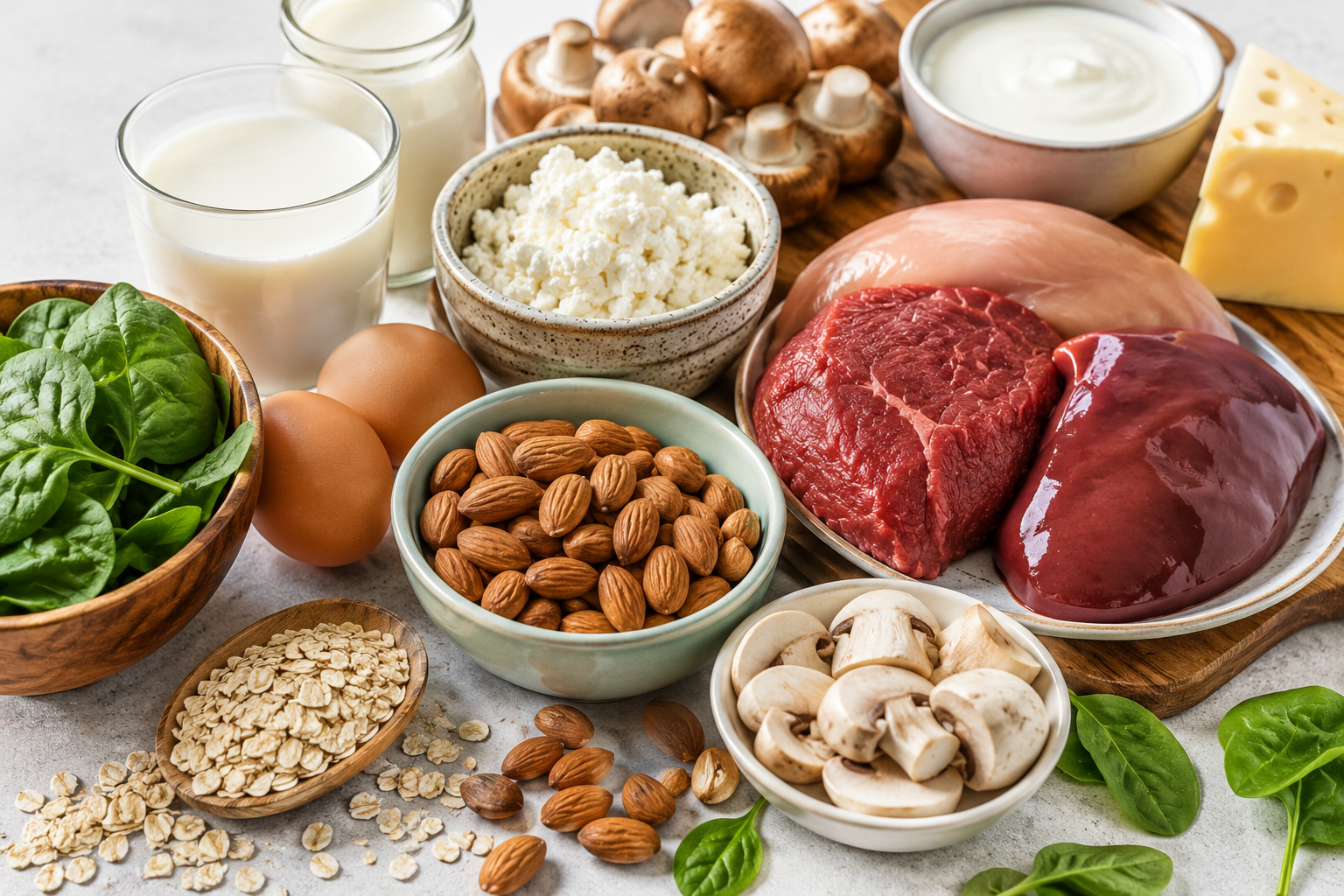
You can obtain riboflavin naturally through a balanced diet. Good dietary sources include:
- Milk and dairy products
- Eggs
- Lean meats
- Liver
- Almonds
- Mushrooms
- Spinach
- Fortified cereals
- Yogurt
Including a variety of these foods in your diet can help support healthy vitamin B2 levels.
Signs of Vitamin G Deficiency
Although riboflavin deficiency is relatively uncommon, low intake may contribute to symptoms such as:
- Cracks at the corners of the mouth
- Sore throat
- Dry or irritated skin
- Swollen tongue
- Fatigue
- Eye sensitivity
If you experience persistent symptoms, it is important to seek advice from a qualified healthcare professional.
Recommended Daily Intake
General recommendations for riboflavin intake include:
- Adult men: 1.3 mg daily
- Adult women: 1.1 mg daily
- Pregnant women: 1.4 mg daily
- Breastfeeding women: 1.6 mg daily
Nutritional requirements may vary depending on individual circumstances.
Related Vitamins for Overall Health
While learning about Vitamin G, it is also beneficial to understand the importance of other essential nutrients. Vitamins A, D, and E support vision, immune health, bone strength, and protection against oxidative stress.
For a complete guide, read our related article:
Vitamin A, D, and E: Benefits, Sources, and Deficiency Signs
https://wellhealthcare.net/vitamin-a-d-and-e-benefits-sources-and-deficiency-signs/
Frequently Asked Questions
Is Vitamin G a real vitamin?
Vitamin G is an old term that was once used to describe riboflavin, which is now officially known as vitamin B2.
What does Vitamin B2 do?
Vitamin B2 helps the body produce energy from food and supports healthy skin, eyes, and nervous system function.
Which foods contain Vitamin G?
Dairy products, eggs, lean meats, almonds, mushrooms, and fortified cereals are among the best sources of riboflavin.
Can Vitamin G deficiency be prevented?
Most people can maintain healthy riboflavin levels by following a balanced and nutritious diet.
Conclusion
Although the term Vitamin G is no longer used in modern nutrition, it remains an interesting part of vitamin history. Known today as vitamin B2, riboflavin is essential for energy production, healthy skin, eye function, and overall well-being.
By consuming nutrient-rich foods and understanding the role of essential vitamins, individuals can take meaningful steps toward supporting their long-term health.