Introduction
Cellulite is one of those things almost everyone has heard about, and most people have at some point too. That dimpled, uneven texture that shows up on the thighs, hips, or backs of the arms is incredibly common, affecting the majority of adult women regardless of weight or fitness level. While there is no magic food that will make cellulite disappear overnight, what you eat genuinely does play a role in how your skin looks and feels.
The good news is that the changes that help with cellulite are also some of the simplest, healthiest habits you can build into your daily life. This article looks at what actually causes cellulite, which foods may help reduce its appearance, which foods tend to make it worse, and how diet fits into the bigger picture alongside skin care and movement.
What Is Cellulite, Really?
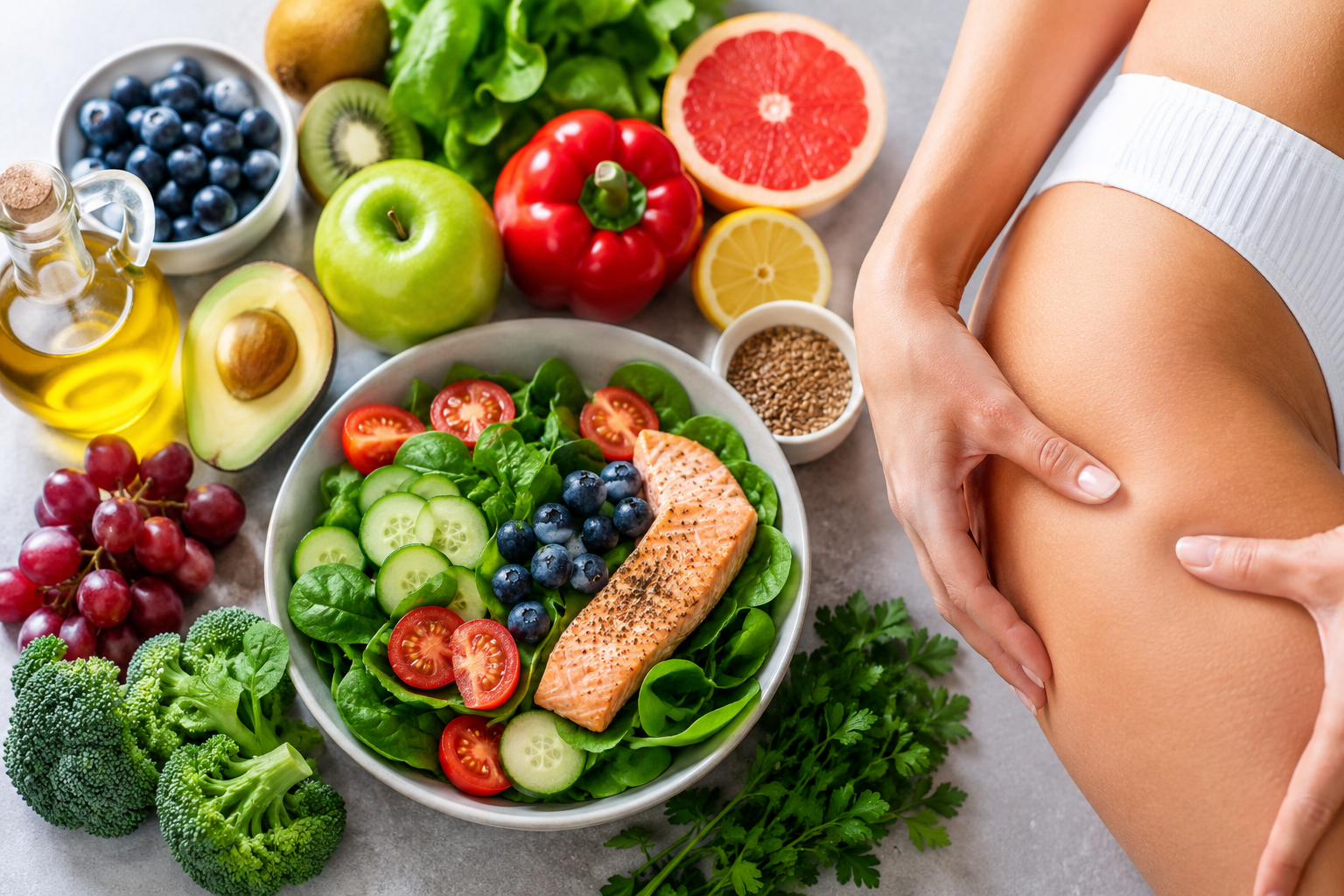
Before getting into diet, it helps to understand what cellulite actually is. Cellulite forms when fat deposits push up against the connective tissue beneath the skin, creating that familiar dimpled or “orange peel” look. It is not a sign of being unhealthy or overweight. Even people who are slim and active can have cellulite, because it is heavily influenced by genetics, hormones, skin thickness, and the structure of connective tissue, which tends to differ between men and women.
That said, certain lifestyle factors can make cellulite more noticeable. Poor circulation, fluid retention, weakened skin elasticity, and chronic inflammation can all play a part. This is exactly where diet comes in. Food choices can influence circulation, hydration, inflammation, and skin strength, all of which affect how visible cellulite is.
How Diet Influences Cellulite
There are a few key mechanisms through which what you eat can affect the appearance of cellulite.
Hydration keeps skin cells plump and helps flush out toxins that can build up in fat tissue. Dehydrated skin tends to look thinner and more prone to showing texture underneath.
Circulation matters because cellulite is partly linked to how well blood and lymph fluid move through the tissue. Foods that support healthy blood flow can help reduce the buildup of fluid and toxins that make cellulite more visible.
Inflammation can weaken the collagen and connective tissue that holds fat cells in place. A diet that is consistently high in inflammatory foods may contribute to a breakdown of this structure over time.
Skin elasticity depends on collagen production, which relies on nutrients like vitamin C, protein, and certain antioxidants. Stronger, more elastic skin can smooth out the appearance of fat deposits underneath.
With that foundation in mind, here is a closer look at the foods that tend to help, and the ones that tend to work against you.
Foods That May Help Reduce the Appearance of Cellulite
Leafy Greens and Fibrous Vegetables
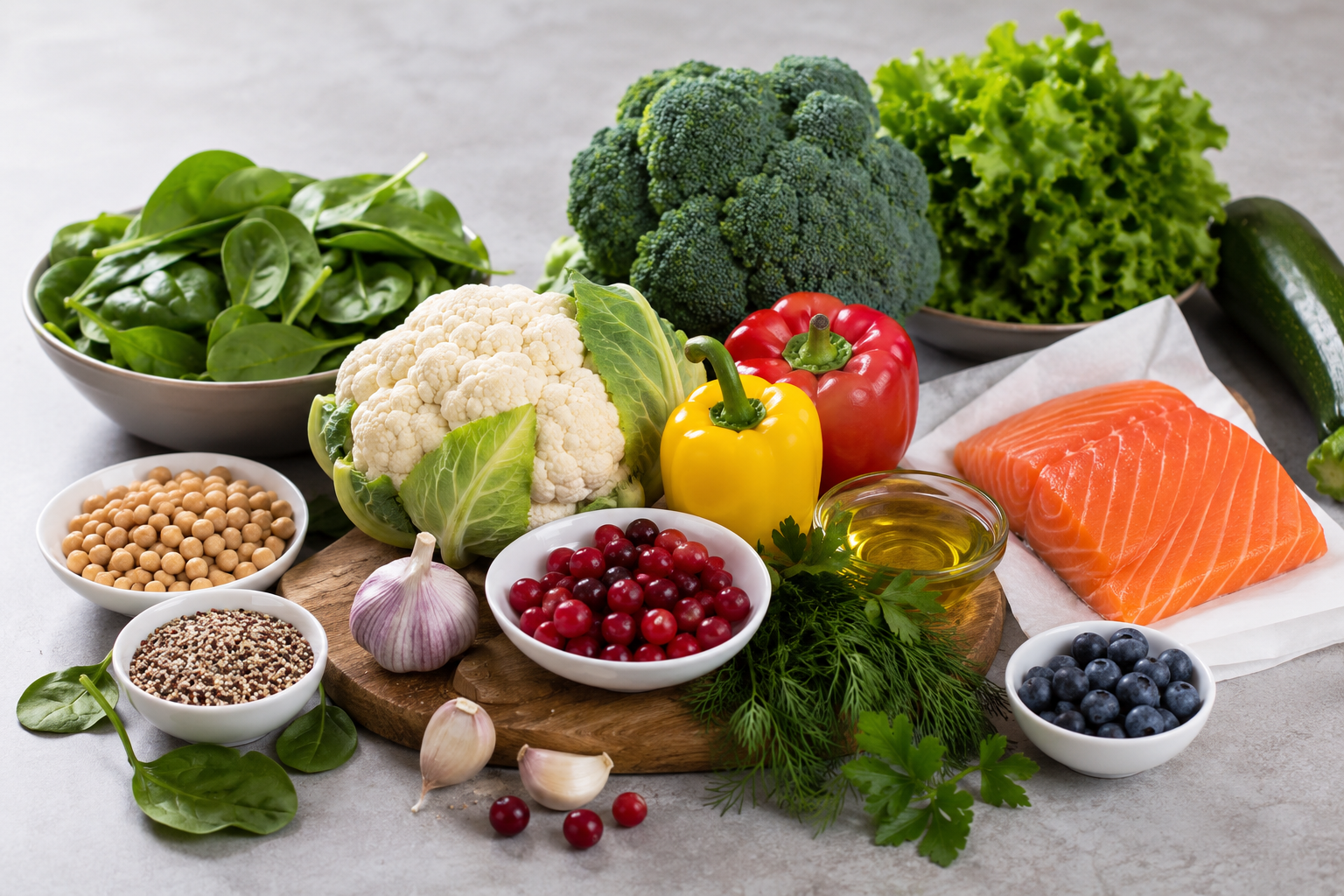
Spinach, kale, broccoli, and similar vegetables are packed with fiber, antioxidants, and magnesium. Fiber supports digestion and helps the body clear out waste more efficiently, while the antioxidants help protect skin cells from damage. These vegetables are also naturally hydrating and low in calories, making them an easy addition to almost any meal.
Berries
Blueberries, blackberries, and strawberries are rich in antioxidants that help fight oxidative stress, one of the factors that can weaken collagen over time. Berries also support collagen production, which is directly tied to skin firmness and elasticity. Adding a handful to breakfast or as a snack is a simple, sustainable habit.
Oily Fish
Salmon, sardines, and mackerel are excellent sources of omega-3 fatty acids. These healthy fats help reduce inflammation, support circulation, and keep the skin’s barrier strong and supple. Omega-3s are one of the most consistently recommended nutrients when it comes to skin health in general, not just cellulite.
Avocados and Healthy Fats
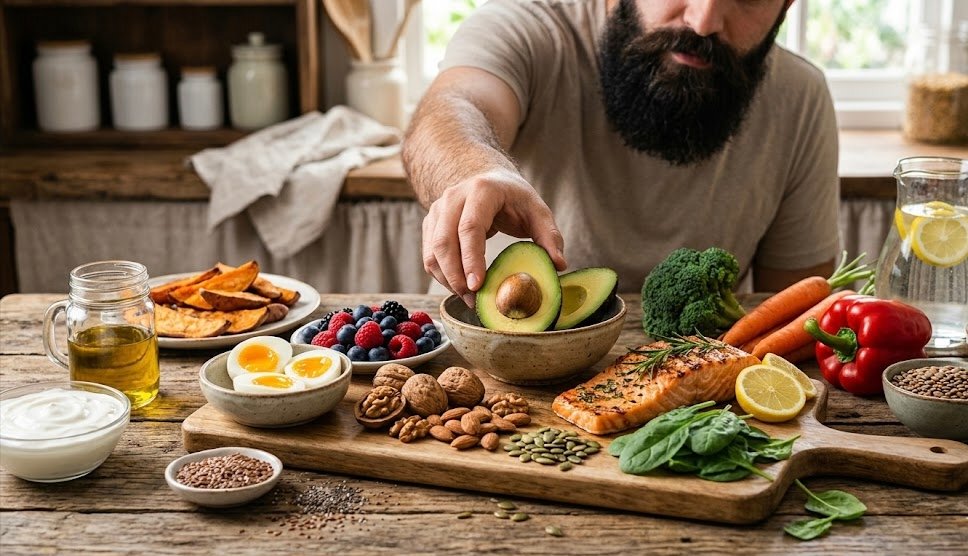
It might seem counterintuitive, but healthy fats are actually important for reducing cellulite. Avocados, olive oil, and nuts are rich in essential fatty acids and vitamin E, both of which help keep skin supple and elastic. The key is choosing the right kind of fat, the unsaturated, anti-inflammatory kind, rather than cutting fat out altogether.
Water-Rich Fruits
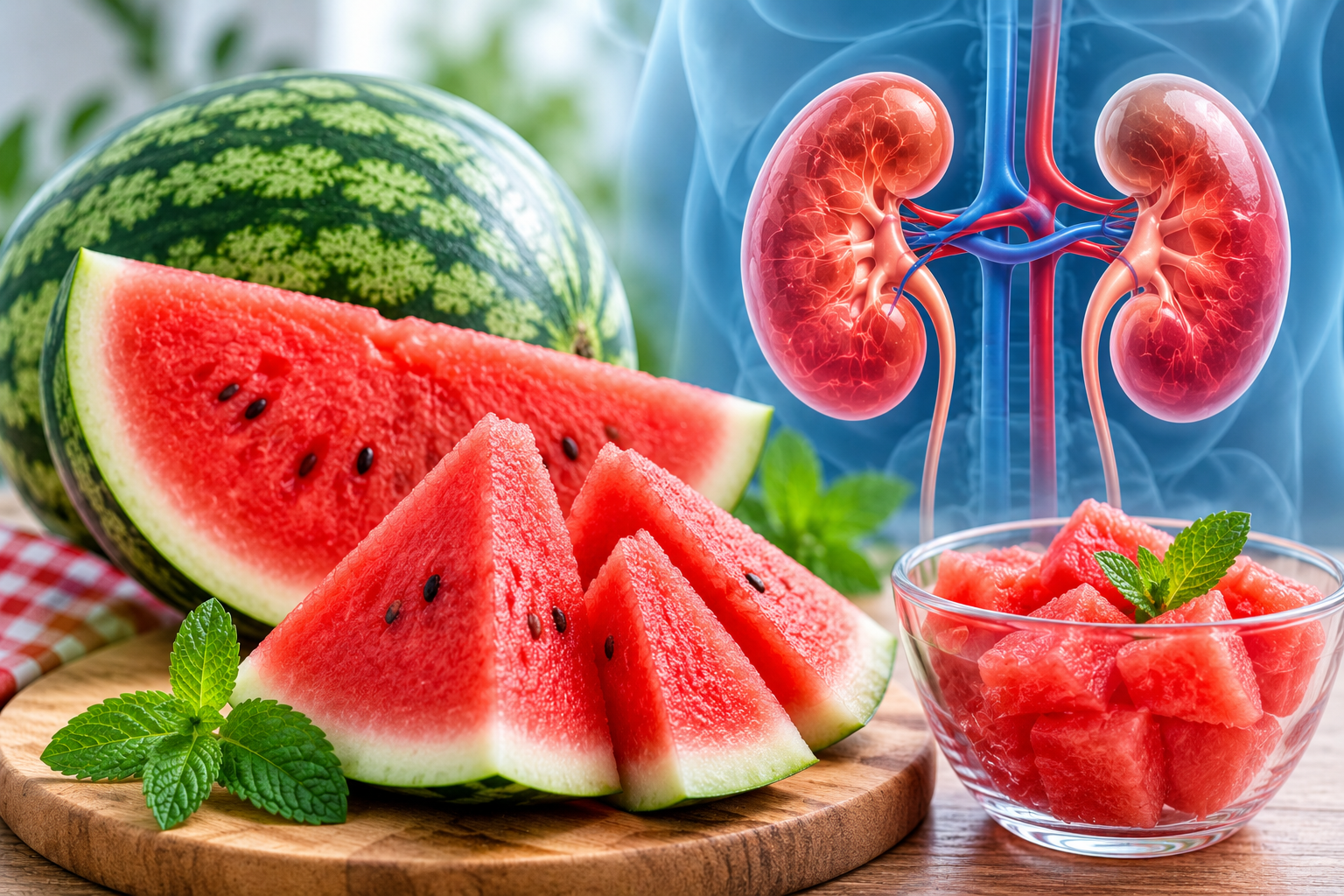
Watermelon, cucumber, and citrus fruits are made up largely of water, which makes them a great way to support hydration throughout the day. Staying well hydrated is one of the simplest things you can do for skin that looks smoother and more even.
Lean Protein
Chicken, eggs, fish, lentils, and quinoa provide the building blocks your body needs to repair tissue and produce collagen. Protein also helps with muscle tone, and stronger underlying muscle can make the skin above it appear smoother.
Foods Rich in Vitamin C
Citrus fruits, bell peppers, and broccoli are high in vitamin C, which plays a direct role in collagen synthesis. Since collagen is what gives skin its structure and firmness, getting enough vitamin C through food is one of the more practical dietary steps for skin health.
Foods That May Make Cellulite More Noticeable
Just as some foods can help, others tend to work against your efforts. These are worth being mindful of, not eliminating completely, but keeping in check.
Refined carbohydrates such as white bread, white rice, and pastries can cause blood sugar spikes that, over time, contribute to a process called glycation. Glycation can damage collagen fibers, making skin less firm and more prone to showing texture.
Excess sodium from processed and packaged foods can lead to water retention, which can make cellulite appear more pronounced, even if it does not actually change the underlying fat tissue.
Added sugar contributes to inflammation and, like refined carbs, can accelerate the breakdown of collagen through glycation.
Alcohol can dehydrate the skin and put extra strain on the liver, which plays a role in processing toxins and fats. Occasional drinking is unlikely to make a noticeable difference, but frequent or heavy drinking can work against your skin health goals.
Highly processed foods in general tend to be low in the nutrients that support skin health while being higher in the things that work against it, like sodium, sugar, and unhealthy fats.
None of this means these foods need to be avoided entirely. Balance and consistency matter far more than perfection.
Hydration: The Most Underrated Factor
If there is one single habit that stands out across almost every discussion of diet and cellulite, it is hydration. Drinking enough water throughout the day supports circulation, helps the body flush out waste, and keeps skin cells plump and healthy looking.
A simple way to think about it: dehydrated skin is thinner and less elastic, which can make any underlying texture more visible. Well-hydrated skin tends to look smoother and more even, regardless of what is happening underneath.
Aiming for consistent water intake throughout the day, rather than large amounts all at once, tends to work best. Herbal teas and water-rich foods like the ones mentioned earlier can also contribute to your daily hydration.
Diet Alone Is Not the Whole Picture
It is worth being honest here. Diet plays a real role in how cellulite looks, but it is one part of a bigger picture. Genetics, hormones, age, and skin structure all influence cellulite in ways that food alone cannot fully change. Combining good nutrition with regular movement tends to produce far better results than focusing on diet by itself.
Exercise, particularly strength training and activities that improve circulation, can help tone the muscle beneath the skin and support better blood flow, both of which can improve the appearance of cellulite over time. If you are looking to build sustainable habits that support this from a fitness angle, our guide on Workout Habits That May Support Weight Management covers practical, realistic ways to get more consistent movement into your routine.
Skin care also plays a supporting role. While no cream can eliminate cellulite, keeping skin hydrated, exfoliated, and well nourished from the outside can improve its texture and appearance. For more on this, our article on How to Get Rid of Skin Texture for Smoother Skin walks through habits and ingredients that support smoother looking skin overall, which can complement the dietary changes covered here.
A Simple, Realistic Approach
Rather than overhauling everything at once, small consistent changes tend to be far more sustainable and effective. Here is a simple way to apply everything covered above:
Add, don’t just remove. Instead of focusing only on cutting things out, try adding more leafy greens, berries, oily fish, and water-rich foods to your meals. Often, when you fill up on these, there is naturally less room for the foods that work against you.
Build a habit around water. Keep a bottle with you and sip throughout the day rather than waiting until you feel thirsty.
Read labels for sodium and sugar. You do not need to eliminate processed foods entirely, but being aware of how much sodium and added sugar you are consuming can help you make small swaps that add up over time.
Pair nutrition with movement. Even moderate, consistent activity supports circulation and muscle tone, both of which work alongside diet to support smoother looking skin.
Be patient. Skin changes take time. Most dietary changes that affect collagen and skin structure show results over weeks to months, not days.
Final Thoughts
There is no single food or diet that will make cellulite disappear completely, and anyone promising that is overselling what nutrition can do. But the foods you eat genuinely do influence hydration, circulation, inflammation, and skin elasticity, all of which play a role in how visible cellulite is.
Focusing on whole foods like leafy greens, berries, oily fish, healthy fats, and plenty of water, while being mindful of excess sugar, sodium, and processed foods, is a sustainable approach that supports not just your skin, but your overall health too. Combined with regular movement and good skin care habits, these small, consistent choices can make a real difference over time.
For more guidance on building healthy habits that support your skin and body together, explore the Fitness and Healthy Food section on Wellhealthcare.