Introduction
If you have been trying to grow a fuller, healthier beard and feel like you have hit a wall, the answer might not be a new oil, a new razor, or even patience alone. A surprising amount of what determines how thick, strong, and healthy your beard looks actually comes down to what you eat.
Genetics will always play a role in beard growth, and no diet can completely override your natural genetic potential. But a well rounded diet rich in protein, vitamins, and hydration is essential for boosting the hormones and nutrients your hair follicles need to do their job properly. If your diet is missing key nutrients, your beard may grow more slowly, look patchy, or feel dry and brittle, even if your genetics would otherwise allow for a fuller beard.
In this article, we will go through exactly which nutrients matter most for beard growth, the best foods to get them from, what to limit or avoid, and how to put it all together into a simple, sustainable approach.
Why Diet Matters So Much for Beard Growth
Hair, including the hair in your beard, is made up mostly of a protein called keratin. Your body builds this protein using amino acids that come directly from the food you eat. At the same time, your hair follicles rely on a steady supply of vitamins and minerals to function properly, repair themselves, and produce new hair.
When your diet is lacking in these building blocks, even if only slightly, your body tends to prioritize more essential functions first, like organ health and energy production, leaving hair growth lower on the list. Over time, this can show up as slower growth, thinner strands, patchiness, or a beard that just does not seem to fill in the way you would like.
The encouraging part is that this works in both directions. Just as a poor diet can hold your beard back, a consistent, nutrient rich diet can genuinely help your beard reach more of its natural potential.
Key Nutrients for Beard Growth
Protein
Hair is roughly seventy percent water, around twenty eight percent protein, and a small amount of lipids, with keratin being the most important protein involved. This makes protein one of the single most important nutrients for beard health. Without enough protein, hair can become weak, thin, and prone to breakage.
Good sources include eggs, fish such as salmon and tuna, lean meats like chicken and turkey, beans and lentils, and dairy products such as milk, yogurt, and cheese. If you follow a plant based diet, lentils, chickpeas, tofu, tempeh, and edamame are all excellent protein sources that can support beard growth just as well.
Biotin
Biotin is often called the hair growth vitamin, and for good reason. It plays a direct role in strengthening the hair shaft and helping prevent breakage. A biotin deficiency has been linked to thinning hair, including in the beard.
Good sources include eggs, particularly the yolk, nuts, seeds, and whole grains.
Vitamin A
Vitamin A helps your body produce sebum, the natural oil that keeps hair, including beard hair, moisturized and healthy. Without enough sebum, beard hair can become dry, dull, and brittle.
Good sources include spinach, kale, sweet potatoes, and carrots.
Vitamin C
Vitamin C is a powerful antioxidant that supports collagen production, which helps keep hair follicles strong and resilient. It also helps protect hair from damage caused by everyday oxidative stress.
Good sources include citrus fruits, bell peppers, strawberries, and broccoli.
Vitamin E
Vitamin E is known for improving blood circulation, which helps deliver nutrients more efficiently to hair follicles, including those in your beard. It also acts as an antioxidant, helping protect follicles from damage.
Good sources include sunflower seeds, almonds, avocado, and olive oil.
Iron
Iron helps red blood cells carry oxygen throughout the body, including to the hair follicles that power beard growth. Without enough iron, hair can grow more slowly or appear dull and lifeless.
Good sources include red meat, spinach, lentils, and fortified cereals.
Zinc
Zinc deficiency has been linked to hair loss, which makes it an important mineral for anyone focused on beard health. Zinc supports the production of new hair cells and plays a role in tissue repair.
Good sources include oysters, beef, pumpkin seeds, and chickpeas.
Omega-3 Fatty Acids
Omega-3s reduce inflammation and help keep your skin barrier strong, which matters because healthy skin underneath your beard supports healthier beard growth. They also help nourish hair follicles directly.
Good sources include salmon, walnuts, flaxseeds, and chia seeds.
Selenium
Selenium is another mineral that plays a role in healthy hair growth, and it is one that is easy to get enough of without overdoing it.
Good sources include Brazil nuts, where just one or two a day can provide all the selenium most people need.
The Best Foods for Beard Growth
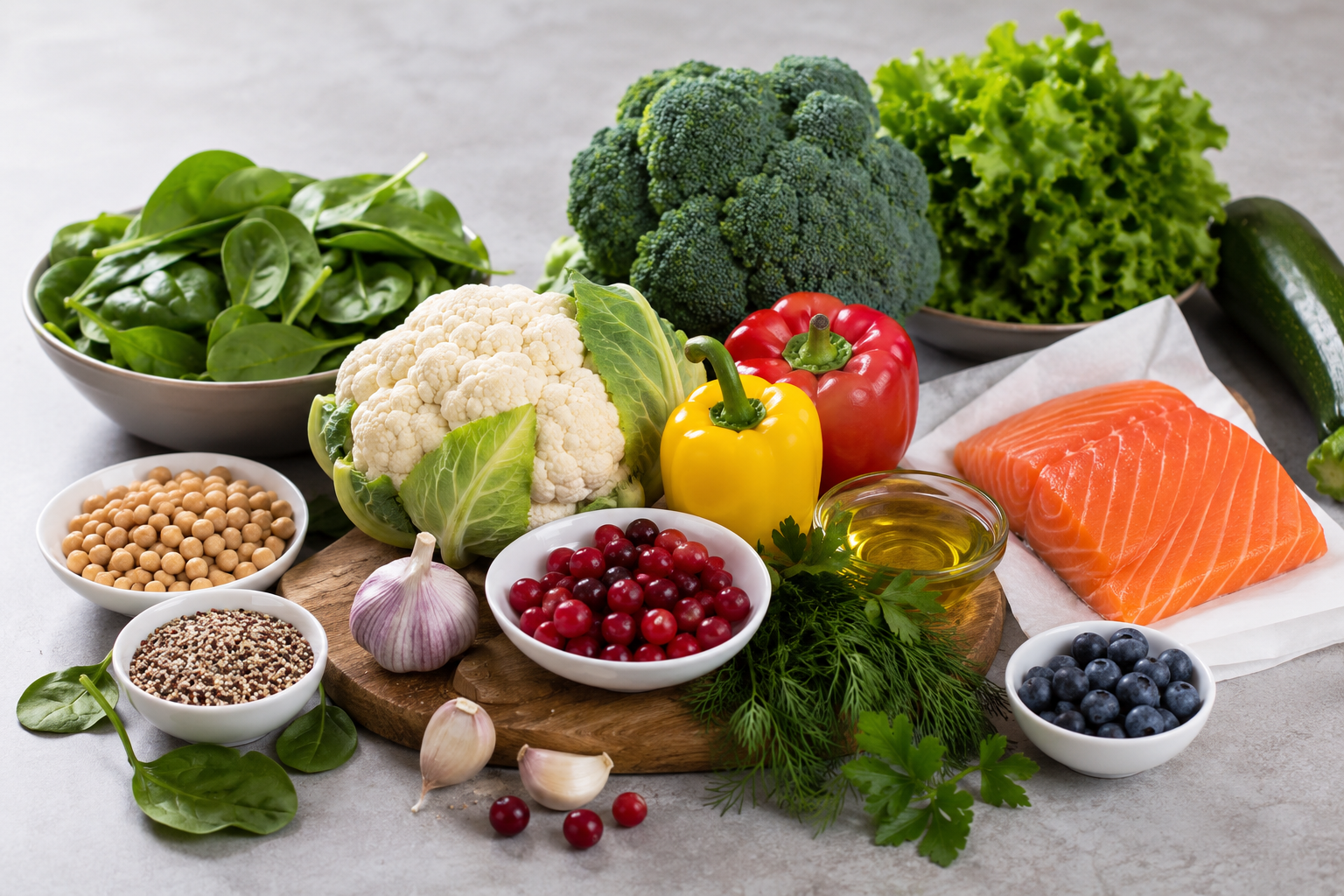
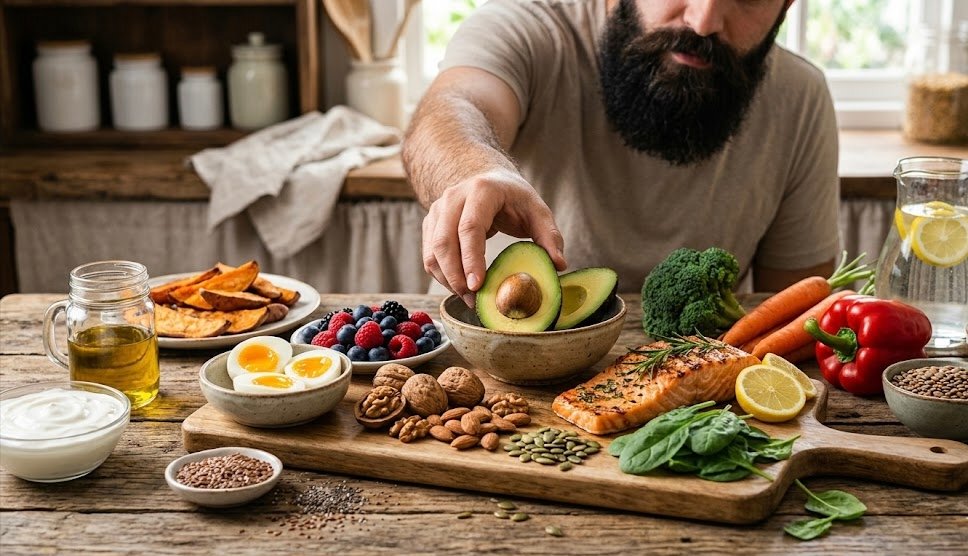
Bringing all of this together, here are some of the most consistently recommended foods for supporting a healthier, fuller beard.
Eggs are often described as a nutrient powerhouse for beard growth. They are an excellent source of biotin, along with protein and several other nutrients that support hair health.
Salmon and other oily fish combine protein, omega-3 fatty acids, and vitamin D in one food, all of which play a role in nourishing hair follicles and keeping skin healthy.
Spinach and other leafy greens provide iron, along with vitamins A and C, helping with oxygen delivery to follicles and supporting healthy sebum production.
Avocados are rich in healthy fats and vitamin E, which support skin hydration and follicle strength, both of which matter for beard health.
Nuts and seeds, including almonds, walnuts, flaxseeds, chia seeds, and Brazil nuts, are packed with vitamin E, zinc, selenium, and omega-3 fatty acids, making them one of the easiest ways to cover several beard friendly nutrients at once.
Lentils and other legumes provide plant based protein, iron, and zinc, all in one food, making them especially valuable for anyone following a vegetarian or plant based diet.
Greek yogurt is rich in protein and also contains probiotics, which support gut health and help your body absorb nutrients more effectively, including the ones that support beard growth.
Sweet potatoes are a great source of vitamin A, supporting healthy sebum production and helping prevent dry, brittle facial hair.
Citrus fruits and berries provide vitamin C and antioxidants, supporting collagen production and protecting hair follicles from everyday damage.
Foods and Habits That Can Work Against Beard Growth
Just as certain foods can support beard growth, others can quietly work against it. Being aware of these can help you get better results from the positive changes you make.
Excess sugar is linked to insulin resistance and can disrupt hormone balance, including testosterone, which plays a role in beard growth.
Highly processed foods tend to be low in the nutrients your hair follicles need while being high in inflammatory additives that can work against healthy hair growth over time.
Excess alcohol can dehydrate the skin and deplete zinc levels, both of which can negatively affect beard health.
Crash diets or severe calorie restriction can have a particularly negative impact on hair growth, since the body often deprioritizes hair when it is not getting enough overall energy or nutrients.
Very soy heavy diets, if soy makes up a large portion of your daily intake, may affect hormone balance for some people, though this is generally only a concern with very high, consistent intake rather than occasional consumption.
None of this means you need to eliminate these things completely. As with most things related to diet, moderation and overall balance matter far more than cutting out any single food entirely.
Hydration and Lifestyle Factors
Diet is a huge piece of the puzzle, but it does not work in isolation. Proper hydration helps moisturize your hair and skin, which directly supports healthy beard growth. If you are not drinking enough water throughout the day, even a perfect diet will not be able to do its job as effectively.
Sleep and stress management also play a meaningful role. Your body does much of its repair and regeneration during sleep, and chronic stress can disrupt the hormones involved in hair growth. A nutrient rich diet works best when it is paired with good sleep, stress management, and staying consistently hydrated.
Putting It All Together
You do not need to track every gram of protein or count milligrams of zinc to see benefits. A simple, practical approach works well for most people.
Build meals around protein. Try to include a good source of protein, such as eggs, fish, lean meat, or legumes, at most meals.
Add a handful of nuts or seeds daily. Almonds, walnuts, flaxseeds, or a couple of Brazil nuts are an easy way to cover several beard supporting nutrients at once.
Make leafy greens and colorful vegetables a regular part of your plate. Spinach, kale, sweet potatoes, and bell peppers cover a wide range of the vitamins discussed above.
Include oily fish a couple of times a week. Salmon, tuna, or mackerel provide omega-3s and vitamin D that are harder to get from other common foods.
Stay consistently hydrated. Make drinking water throughout the day a habit rather than something you only think about occasionally.
Limit, rather than eliminate, the less helpful foods. Cut back on added sugar, heavily processed snacks, and excess alcohol where you reasonably can, without making your diet feel restrictive or unsustainable.
These changes are not just good for your beard. They are the same habits that support overall health, energy levels, and skin health too, so the benefits extend well beyond facial hair.
How This Connects to Overall Health
A diet that supports beard growth is, in many ways, just a well balanced, nutrient dense diet with a little extra attention paid to a few specific nutrients. The same foods that support healthy hair also tend to support healthy skin, steady energy levels, and overall wellbeing.
If you are looking to build broader healthy eating habits that support this kind of nutrient rich approach, our guide on Workout Habits That May Support Weight Management covers practical ways to combine good nutrition with regular movement, which together support hormone balance and overall health in ways that benefit beard growth too.
Skin health underneath your beard also matters more than many people realize. Healthy, well nourished skin supports healthier hair growth above it. For more on supporting skin from the inside out, our article on Natural Ingredients That Can Support Healthier Looking Skin covers ingredients and habits that work well alongside the dietary approach described here.
Final Thoughts
Growing a fuller, healthier beard is not just about what you put on your face, it is also very much about what you put into your body. A diet rich in protein, biotin, vitamins A, C, and E, iron, zinc, omega-3 fatty acids, and selenium gives your hair follicles the building blocks and support they need to function at their best.
While no diet can completely change your genetic ceiling for beard growth, a consistent, nutrient rich approach can help you get closer to your natural potential, support healthier looking facial hair, and improve your overall health along the way. Start with small, sustainable changes, stay consistent, and give your body time to respond. Beard growth, like most things related to hair, tends to improve gradually rather than overnight.