Introduction
If you have ever sat down to a bowl of pho, a plate of fresh spring rolls, or a simple rice and vegetable dish at a Vietnamese restaurant, you may have walked away feeling satisfied without feeling weighed down. That feeling is not an accident. Vietnamese cuisine has earned a strong reputation around the world not just for its flavor, but for how genuinely healthy it can be when eaten the traditional way.
The Vietnamese diet has gained global attention for its balance, freshness, and nutritional value. Health experts often point to it as one of the reasons Vietnam has historically had relatively low rates of obesity compared to many other countries, especially when meals stick close to traditional patterns. In this guide, we will look at what makes the Vietnamese diet so healthy, the key foods and ingredients that define it, the cultural habits that support better eating, and how you can bring some of these principles into your own kitchen, no matter where you live.
What Makes the Vietnamese Diet So Healthy?
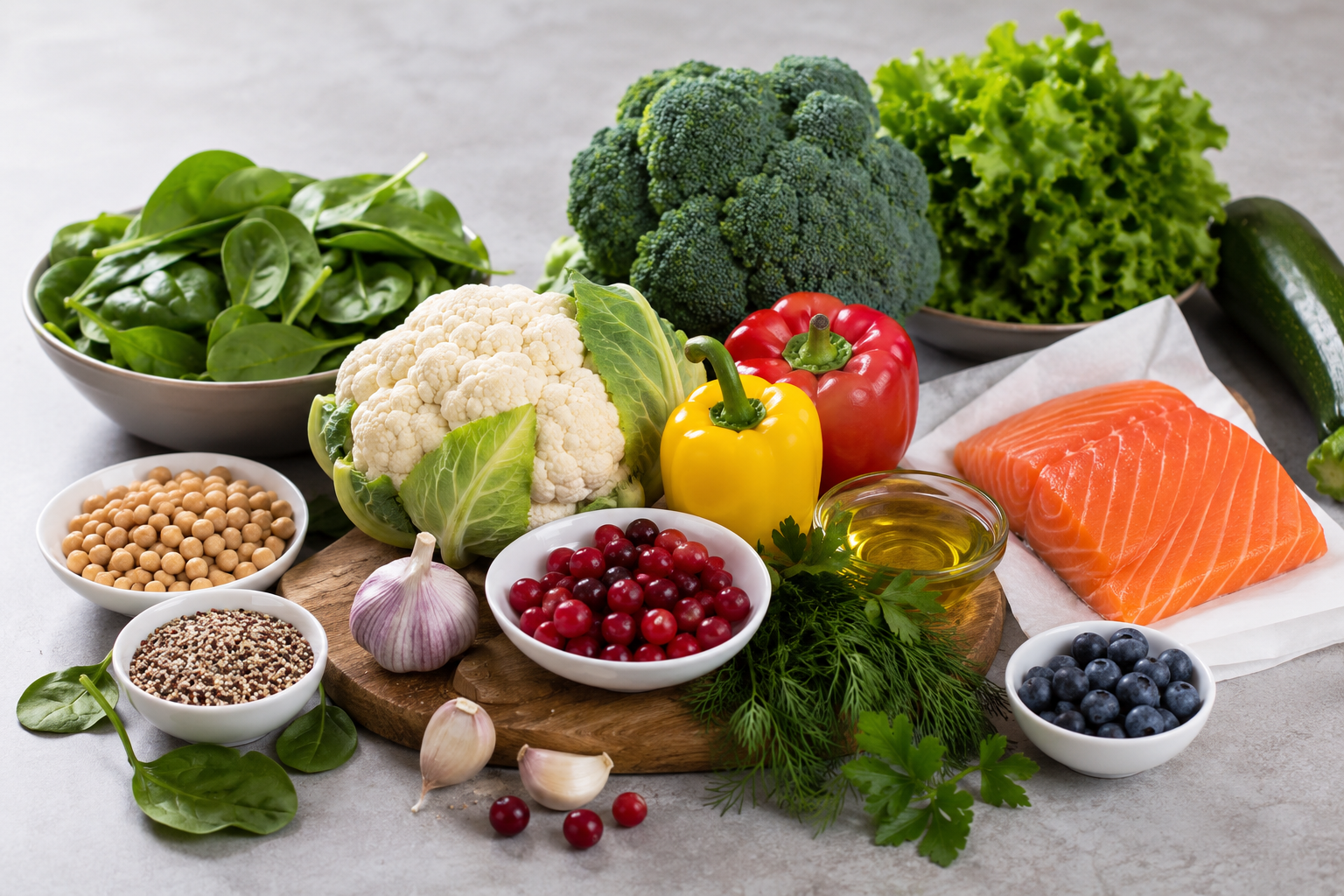
Unlike many modern diets that rely heavily on processed foods, fried dishes, and large portions, the Vietnamese diet focuses on fresh vegetables, lean proteins, herbs, and light cooking techniques. Meals are built around simple, whole ingredients rather than packaged or heavily processed products, and that single difference goes a long way.
A few core qualities stand out:
It is naturally low in fat. Traditional Vietnamese cooking relies on light broths, steaming, boiling, and quick stir frying rather than deep frying or heavy creams and butters. This keeps the overall fat content of most meals relatively low.
It is high in fiber. Thanks to the constant presence of fresh vegetables, herbs, rice, and legumes, Vietnamese meals tend to be naturally rich in fiber, which supports digestion and helps you feel full without overeating.
It uses fresh herbs generously. Mint, cilantro, basil, lemongrass, and ginger are not just garnishes in Vietnamese cooking, they are core ingredients used in large amounts. These herbs bring not only flavor but also antioxidants and anti-inflammatory benefits.
Portions are moderate and balanced. Rather than one giant plate of a single food, Vietnamese meals are often built around several smaller dishes shared together, naturally encouraging more balanced and varied eating.
Key Foods in the Vietnamese Diet
Rice and Whole Grains
Rice is the backbone of most Vietnamese meals, but it is usually served alongside vegetables, protein, and herbs rather than as the dominant part of the plate. Brown rice and whole grain noodles, when used, have a lower glycemic index than refined white versions, which means they release sugar into the bloodstream more slowly and help keep energy levels steady.
Fresh Vegetables and Herbs
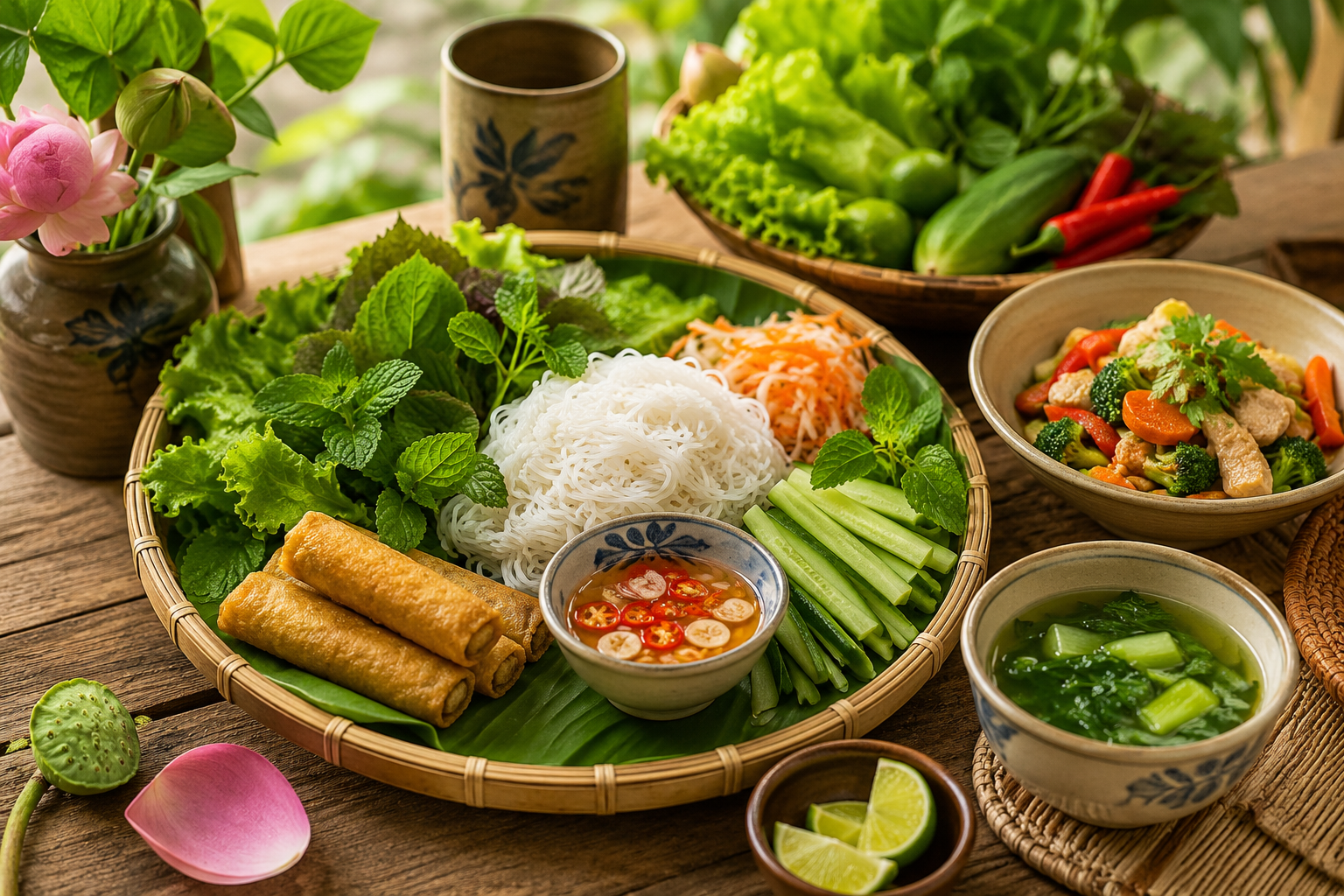
Every Vietnamese meal seems to come with a generous side of fresh herbs and raw or lightly cooked vegetables. Cucumber, bean sprouts, lettuce, mint, basil, and cilantro often accompany main dishes, adding crunch, freshness, and a significant boost of vitamins and antioxidants without adding many calories.
Lean Proteins
Vietnamese cuisine depends heavily on fish, prawns, and other shellfish, along with chicken and pork prepared in lighter ways than many Western equivalents. Fish and shellfish provide lean protein along with beneficial omega-3 fatty acids, which support heart and brain health. Pork and chicken are commonly used in smaller portions, often mixed into soups or stir fries rather than served as a large standalone piece of meat.
Plant Proteins
Mung beans, lotus seeds, black beans, red beans, and soy products such as tofu and soy milk are common in Vietnamese cooking. Peanuts and cashews also appear frequently, adding healthy fats and additional plant based protein to meals.
Fermented and Pickled Foods
Pickled vegetables and fermented condiments are a regular part of Vietnamese meals. These foods can support gut health thanks to the beneficial bacteria created during fermentation, and they also add a tangy contrast that balances richer flavors in a dish.
Fruit
Fresh fruit is everywhere in Vietnamese eating culture. Banana, pineapple, pomelo, mango, dragon fruit, and rambutan are commonly enjoyed as snacks or incorporated into salads with a sweet, sour, and slightly spicy dressing. This makes fruit a natural part of daily eating rather than an occasional treat.
The Role of Herbs and Spices
One of the most distinctive features of Vietnamese cooking is just how much fresh herbs and aromatic ingredients are used. Mint, cilantro, basil, ginger, lemongrass, garlic, and chili peppers are staples in nearly every kitchen.
Beyond flavor, these ingredients carry real health benefits. Many of them have digestive and anti-inflammatory properties, and ginger in particular is well known for supporting digestion and easing nausea. Lemongrass and mint also have properties that may help protect the skin from premature aging and combat oxidative stress, which is part of why Vietnamese food is sometimes credited with contributing to skin health as well as overall wellness.
Vietnamese Eating Culture and Why It Matters
The health benefits of the Vietnamese diet are not only about which foods are eaten, but also about how they are eaten. Traditional Vietnamese beliefs emphasize balance in all aspects of life, including diet, and meals are often designed to create harmony between ingredients and flavors. Warming foods may be balanced with cooling herbs and vegetables, reflecting a broader cultural approach that treats food as a way to maintain physical balance.
Family and community also play an important role. Meals are frequently shared at a communal table where dishes are placed in the center and enjoyed together. This style of eating naturally encourages slower, more mindful consumption. People take time to enjoy the food, talk with family members, and pace themselves rather than rushing through a meal alone.
This communal, relaxed approach to eating is something that research increasingly links to better digestion, improved portion control, and a healthier overall relationship with food, regardless of which cuisine you are eating.
Weight Management and Blood Sugar Benefits
Due to its low fat and high fiber content, the Vietnamese diet can be an excellent option for weight management. The emphasis on fresh ingredients and minimal use of processed foods helps maintain a healthy calorie intake while still feeling full and satisfied, which can naturally support a healthy weight without the need to count calories obsessively.
The balance of fiber rich plants and lean proteins also helps regulate blood sugar levels, which can be particularly beneficial for people managing or trying to reduce their risk of conditions like type two diabetes. Complex carbohydrates such as brown rice and whole grain noodles have a lower glycemic index than refined alternatives, meaning they cause a slower, steadier rise in blood sugar rather than a sharp spike.
A Few Things to Watch Out For
While the traditional Vietnamese diet is genuinely healthy, it is worth being aware of a couple of things, especially if you are eating Vietnamese food regularly outside of Vietnam or in a more modern, urbanized setting.
Sodium can be high. Fish sauce, soy sauce, and other savory condiments are flavorful but can be high in sodium. This is not necessarily a problem in moderation, but it is worth being mindful of, especially if you are sensitive to salt intake.
Modern versions can drift from tradition. As eating habits shift globally, some Vietnamese meals, especially in cities or among younger generations, are incorporating more fried foods, fast food, and processed snacks. The healthiest version of this diet is the traditional one, built around fresh vegetables, herbs, lean proteins, and home cooked meals rather than fast food substitutes.
Sugar in drinks and desserts. Vietnamese coffee and some desserts can be quite sweet, often made with condensed milk or palm sugar. These are fine as occasional treats, but they are worth keeping in mind if sugar intake is a concern for you.
How to Bring Vietnamese Eating Habits Into Your Own Routine
You do not need to be an expert cook or have access to specialty ingredients to bring some of these principles home. Here are a few simple ways to start:
Add more fresh herbs to your meals. Even a simple addition of fresh mint, cilantro, or basil to a soup, salad, or rice dish can make a noticeable difference in flavor and nutritional value.
Choose lighter cooking methods. Try steaming, boiling, or quick stir frying with a small amount of oil instead of deep frying. This single change can significantly reduce the overall fat content of a meal.
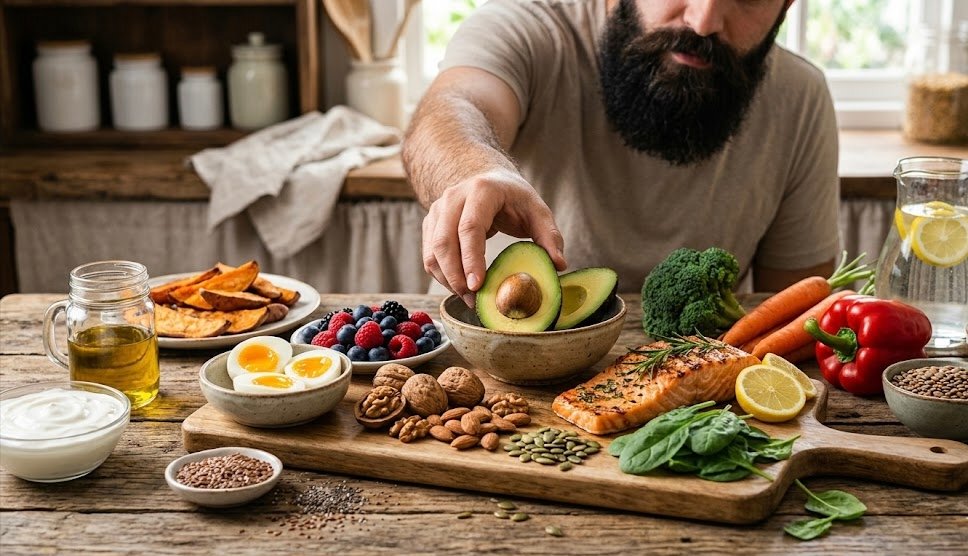
Build meals around vegetables and lean protein. Rather than making meat or rice the star of the plate, try treating them as one part of a meal that is built mostly around vegetables, herbs, and a moderate portion of protein.
Slow down at meal times. Try eating without rushing, ideally with others, and pay attention to how full you feel as you eat. This single habit, borrowed from Vietnamese communal dining culture, can support better digestion and more natural portion control.
Be mindful of sauces and condiments. Use fish sauce, soy sauce, and similar condiments for flavor, but in moderate amounts, and try to balance them with the fresh herbs and vegetables that are also central to this style of eating.
How This Fits Into a Broader Healthy Lifestyle
A healthy diet is one part of a much bigger picture. Combining good nutrition with regular movement and consistent daily habits tends to produce far better results over time than focusing on diet alone. If you are looking for practical, sustainable ways to stay active without needing a gym membership, our guide on How to Stay Fit Without a Gym offers simple approaches that work well alongside the kind of balanced eating described here.
Good nutrition also supports skin health from the inside out. The antioxidants, vitamins, and hydration found in fresh herbs, vegetables, and fruit are some of the same nutrients that support a smoother, healthier looking complexion over time, which is part of why diets like this one are often mentioned in conversations about skin health as well as overall wellness.
Final Thoughts
The Vietnamese diet is a great example of how a cuisine can be deeply flavorful and genuinely good for you at the same time. Built around fresh vegetables, herbs, lean proteins, moderate portions, and mindful, shared meals, it offers a model of eating that supports weight management, blood sugar balance, digestion, and overall wellness without requiring strict rules or calorie counting.
You do not need to overhaul your entire diet overnight to benefit from these principles. Start small, add more herbs and vegetables to your meals, choose lighter cooking methods where you can, and try to slow down and enjoy your food. These small, consistent changes are at the heart of what makes the Vietnamese approach to eating so healthy, and they can fit naturally into almost any lifestyle.
For more guidance on building healthy eating and lifestyle habits, explore the Fitness and Healthy Food section on Wellhealthcare.