Vitamin B12 is an essential nutrient that helps your body produce healthy red blood cells, maintain nerve function, and make DNA. Women are more likely to develop a vitamin B12 deficiency due to factors such as pregnancy, vegetarian or vegan diets, digestive disorders, certain medications, and age-related changes in nutrient absorption.
Because the symptoms often develop slowly, they can easily be mistaken for stress, hormonal changes, or a busy lifestyle. Recognizing the early signs can help prevent serious health complications and allow treatment to begin before permanent nerve damage occurs.
If you’ve already read our article Early Signs of Magnesium Deficiency You Should Never Ignore, you’ll know that vitamin deficiencies can affect many parts of the body. Vitamin B12 deficiency is another common nutritional problem that should not be overlooked.
What Is Vitamin B12?
Vitamin B12, also known as cobalamin, is a water-soluble vitamin that supports:
- Healthy nerve function
- Red blood cell production
- Brain health
- DNA synthesis
- Energy metabolism
Your body cannot produce vitamin B12 on its own, so it must come from food or supplements.
Early Signs of Vitamin B12 Deficiency in Women
Many women experience mild symptoms before the deficiency becomes severe.
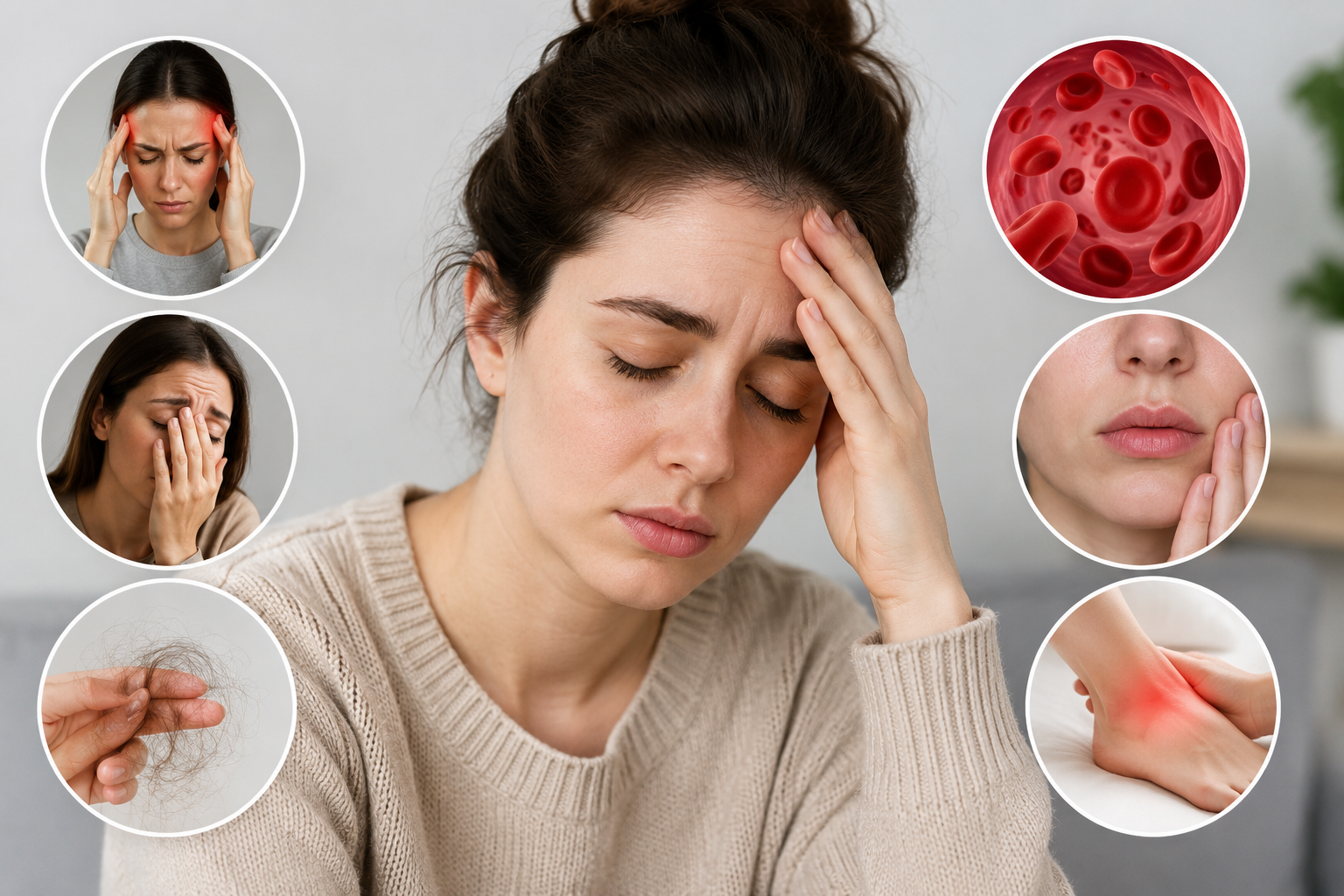
Common early signs include:
- Constant tiredness or weakness
- Pale or yellowish skin
- Tingling or numbness in the hands and feet
- Difficulty concentrating (“brain fog”)
- Memory problems
- Frequent headaches
- Mood changes, including depression or irritability
- Dizziness
- Shortness of breath during physical activity
- A smooth, sore, or swollen tongue
These symptoms may worsen if left untreated.
Why Are Women More at Risk?
Several factors can increase the risk of vitamin B12 deficiency in women, including:
- Pregnancy and breastfeeding
- Vegetarian or vegan diets
- Pernicious anemia
- Crohn’s disease or celiac disease
- Stomach or intestinal surgery
- Long-term use of acid-reducing medications
- Metformin treatment for diabetes
- Older age
Understanding your risk factors can help with early detection.
Best Food Sources of Vitamin B12
Vitamin B12 is naturally found in animal-based foods such as:
- Beef
- Chicken
- Fish
- Eggs
- Milk
- Yogurt
- Cheese
- Liver
- Fortified breakfast cereals
- Fortified plant-based milk
People following vegan diets often require fortified foods or supplements.
How Is Vitamin B12 Deficiency Diagnosed?
Doctors may recommend:
- Complete blood count (CBC)
- Vitamin B12 blood test
- Methylmalonic acid (MMA) test
- Homocysteine test
- Folate test if needed
These tests help confirm whether a deficiency is present.
When Should You See a Doctor?
Consult your healthcare provider if you experience:
- Persistent fatigue
- Numbness or tingling
- Balance problems
- Memory difficulties
- Unexplained weakness
- Symptoms that continue despite eating a healthy diet
Early diagnosis helps prevent long-term complications.
Frequently Asked Questions
Can vitamin B12 deficiency affect hormones?
Vitamin B12 deficiency does not directly cause hormonal imbalance, but its symptoms may overlap with hormonal changes.
Can low vitamin B12 cause hair loss?
Hair loss can occur in some people with vitamin B12 deficiency, although it is less common than fatigue or nerve-related symptoms.
How long does it take to recover?
Many people begin feeling better within a few weeks after appropriate treatment, but full recovery depends on the severity of the deficiency.
Can vitamin B12 deficiency be prevented?
Yes. Eating B12-rich foods, consuming fortified products, or taking supplements when recommended can help prevent deficiency.
Conclusion
Vitamin B12 deficiency is a common but often overlooked condition that can affect women’s energy levels, brain function, and nerve health. Recognizing the early symptoms and seeking medical advice promptly can prevent serious complications. A balanced diet, regular health checkups, and treatment when needed are the best ways to maintain healthy vitamin B12 levels.
Related Articles: