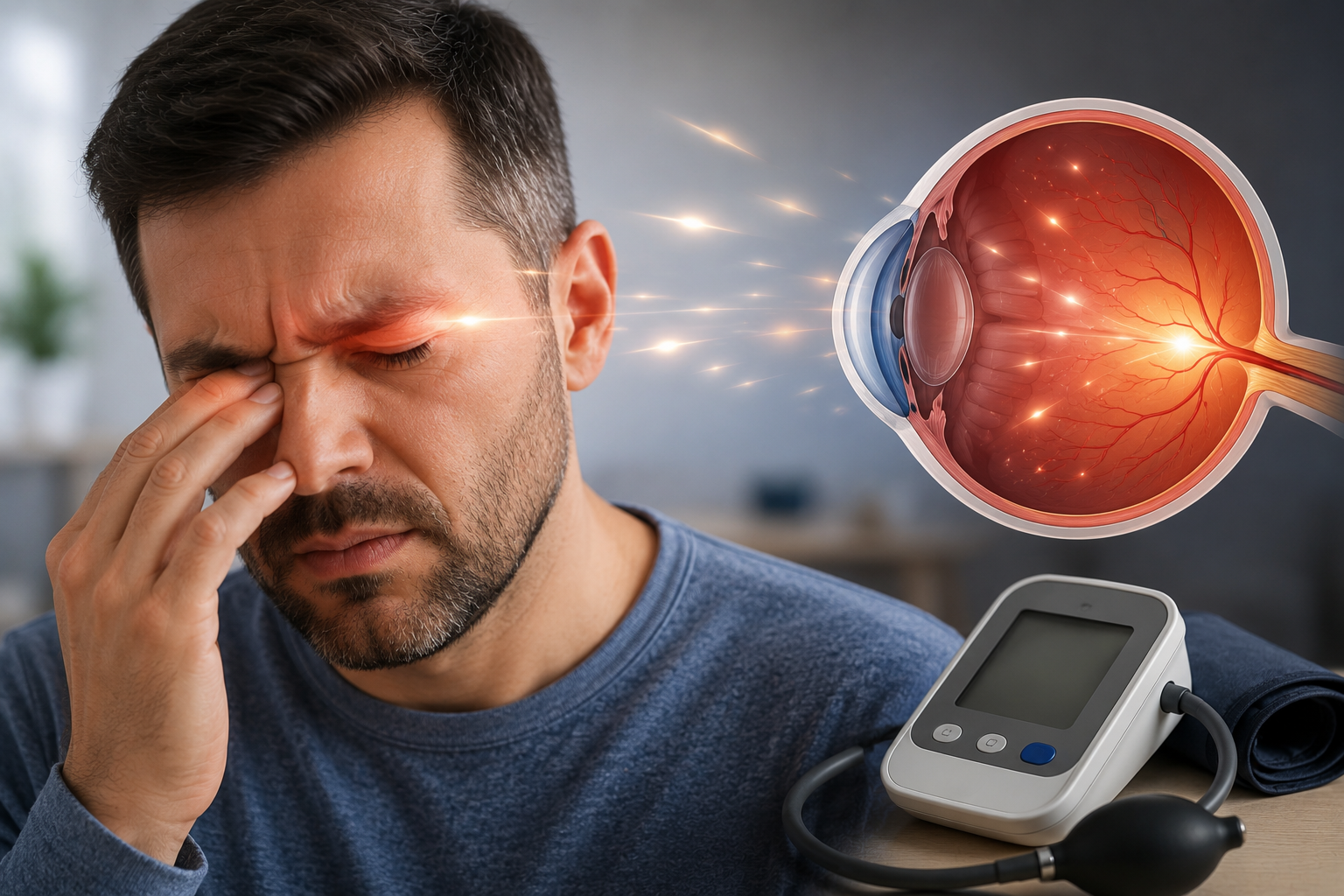
A buzzing sound in the ear can be frustrating and sometimes worrying, especially when it happens frequently. Many people wonder whether high blood pressure is responsible for this symptom. While not everyone with high blood pressure experiences ear buzzing, uncontrolled hypertension can affect blood flow and may contribute to a condition known as tinnitus.
Tinnitus is the perception of sound without an external source. It may sound like buzzing, ringing, humming, hissing, or whooshing. Identifying the underlying cause is important because persistent tinnitus may be linked to cardiovascular or hearing-related conditions.
If you’ve already read our guide on Welch Allyn Blood Pressure Monitor: Features, Benefits & Buying Guide, you know that regular blood pressure monitoring plays an important role in detecting hypertension early.
Can High Blood Pressure Cause Ear Buzzing?
Yes, it can in some cases. High blood pressure may increase the force of blood flowing through the arteries, making blood flow more noticeable near the ears. This can result in pulsatile tinnitus, where the sound follows your heartbeat.
However, ear buzzing is not always caused by high blood pressure. Other medical conditions may also be responsible.
What Does High Blood Pressure Tinnitus Feel Like?
People describe the sound differently, including:
- Buzzing
- Ringing
- Humming
- Hissing
- Whooshing
- Pulsing with the heartbeat
The sound may affect one ear or both ears and can be temporary or persistent.
Other Causes of Ear Buzzing
Besides high blood pressure, tinnitus may be caused by:
- Age-related hearing loss
- Earwax buildup
- Ear infections
- Loud noise exposure
- Certain medications
- Stress and anxiety
- Head or neck injuries
- Meniere’s disease
A medical examination can help determine the exact cause.
Risk Factors
You may have a higher risk if you:
- Have uncontrolled high blood pressure
- Smoke
- Have diabetes
- Are overweight
- Consume excessive salt
- Are over the age of 50
- Have a history of hearing problems
Managing these risk factors can improve both heart and hearing health.
How Is It Diagnosed?
Your healthcare provider may recommend:
- Blood pressure measurement
- Hearing test (audiometry)
- Physical examination
- Blood tests
- Imaging tests in certain cases
Early diagnosis helps identify serious underlying conditions.
Treatment Options
Treatment depends on the underlying cause.
Your doctor may recommend:
- Controlling high blood pressure
- Reducing salt intake
- Regular exercise
- Stress management
- Hearing treatment if necessary
- Medication adjustments when appropriate
Many people notice improvement after blood pressure is well controlled.
Prevention Tips
To lower your risk:
- Monitor your blood pressure regularly.
- Eat a heart-healthy diet.
- Exercise most days of the week.
- Avoid smoking.
- Limit alcohol intake.
- Reduce caffeine if it worsens symptoms.
- Protect your ears from loud noise.
Frequently Asked Questions
Is ear buzzing always caused by high blood pressure?
No. Many different conditions can cause tinnitus, including hearing loss, ear infections, and certain medications.
Can lowering blood pressure stop tinnitus?
If high blood pressure is the cause, managing it may reduce or improve symptoms in some people.
Should I see a doctor for constant buzzing in my ears?
Yes. Persistent or worsening tinnitus should be evaluated to determine the underlying cause.
Can stress make tinnitus worse?
Yes. Stress and anxiety can increase the intensity of ear buzzing in many individuals.
Conclusion
Ear buzzing can have many causes, and high blood pressure is one possible factor. Although tinnitus is not always related to hypertension, controlling your blood pressure, maintaining a healthy lifestyle, and seeking medical evaluation for persistent symptoms can help protect both your cardiovascular and hearing health.
Related Articles: