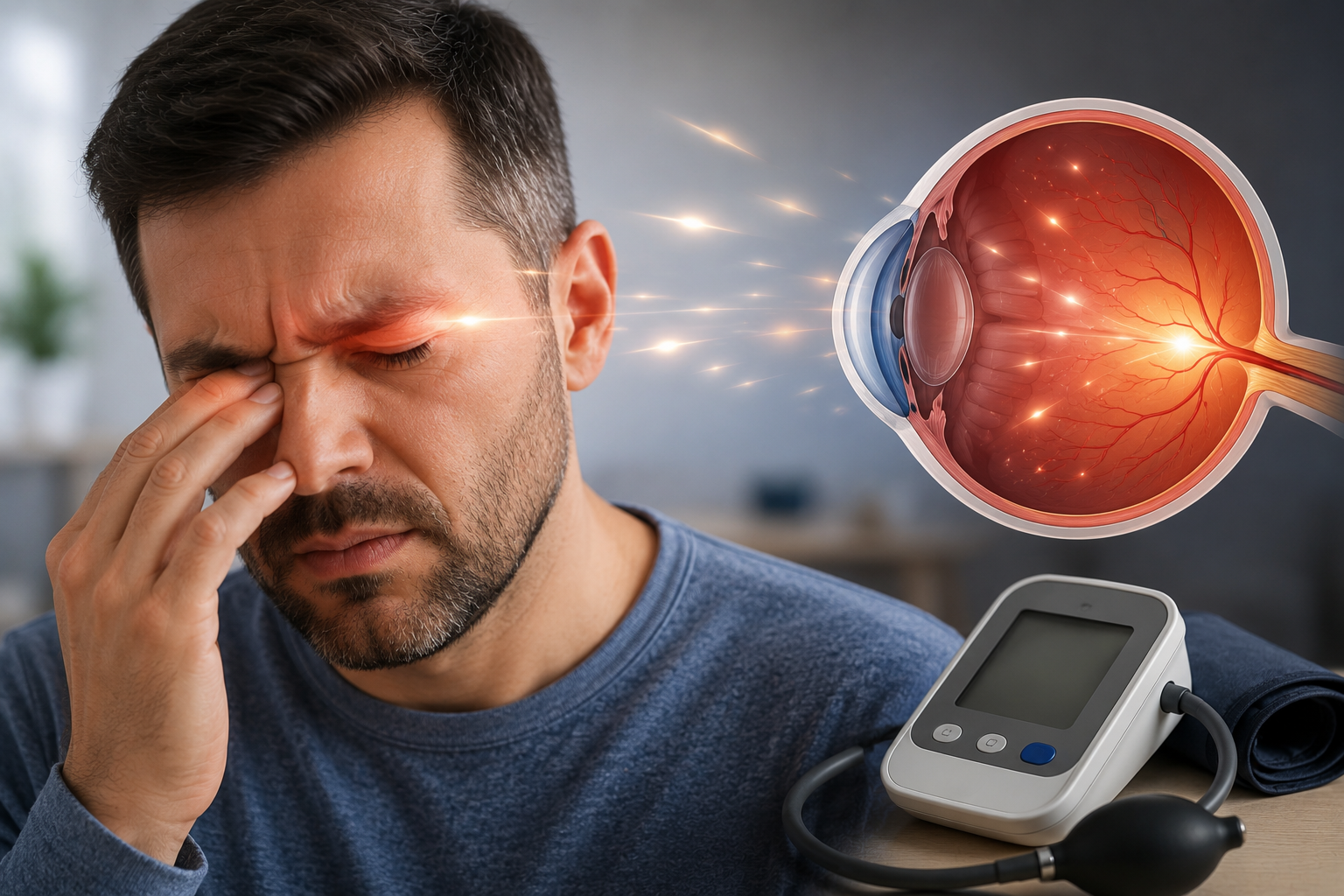
Tinnitus is the sensation of hearing sounds such as ringing, buzzing, humming, or whooshing when no external sound is present. While tinnitus is often linked to hearing problems, many people wonder whether high blood pressure (hypertension) can also cause it. In some cases, the answer is yes.
Uncontrolled high blood pressure can affect blood circulation throughout the body, including the delicate blood vessels in the inner ear. This may lead to a type of tinnitus known as pulsatile tinnitus, where the sound seems to match your heartbeat. Although hypertension is not the only cause, managing your blood pressure is an important step toward protecting both your heart and hearing.
If you’ve already read our article Buzzing in Ear High Blood Pressure: Causes & Treatment, you’ll know that blood pressure-related ear symptoms should never be ignored.
What Is Tinnitus?
Tinnitus is not a disease itself but a symptom of another underlying condition. People with tinnitus may hear sounds that others cannot hear.
Common descriptions include:
- Ringing
- Buzzing
- Humming
- Hissing
- Clicking
- Whooshing
- Pulsing sounds
The symptoms may affect one ear or both ears and can be temporary or chronic.
How Can High Blood Pressure Cause Tinnitus?
When blood pressure remains high for a long period, it places extra strain on blood vessels throughout the body. This increased pressure can affect the tiny blood vessels that supply the inner ear.
As a result, some people experience pulsatile tinnitus, where the sound follows the rhythm of their heartbeat.
Other factors that may contribute include:
- Poor blood circulation
- Narrowed arteries
- Stress caused by hypertension
- Certain blood pressure medications (rarely)
Other Causes of Tinnitus
High blood pressure is only one possible cause. Tinnitus may also result from:
- Age-related hearing loss
- Earwax blockage
- Ear infections
- Exposure to loud noise
- Head or neck injuries
- Certain medications
- Meniere’s disease
- Temporomandibular joint (TMJ) disorders
A healthcare provider can help determine the exact cause.
Symptoms That Need Medical Attention
Seek medical care if tinnitus occurs with:
- Sudden hearing loss
- Severe dizziness
- Chest pain
- Shortness of breath
- Vision changes
- Weakness on one side of the body
- Extremely high blood pressure readings
These symptoms may indicate a serious medical condition.
How Is Tinnitus Diagnosed?
Your doctor may recommend:
- Blood pressure measurement
- Hearing examination
- Physical examination
- Blood tests
- Imaging studies if necessary
Finding the underlying cause helps guide treatment.
Treatment Options
Treatment depends on the cause of the tinnitus.
Your healthcare provider may recommend:
- Controlling high blood pressure
- Reducing salt intake
- Regular physical activity
- Stress management
- Hearing aids if hearing loss is present
- Tinnitus therapy in selected cases
Many people notice improvement after managing the underlying condition.
Prevention Tips
You can reduce your risk by:
- Monitoring your blood pressure regularly.
- Eating a heart-healthy diet.
- Exercising most days of the week.
- Avoiding smoking.
- Limiting alcohol.
- Protecting your ears from loud noises.
- Managing stress effectively.
Frequently Asked Questions
Can lowering blood pressure reduce tinnitus?
If hypertension is contributing to tinnitus, controlling blood pressure may help reduce symptoms in some people.
Is tinnitus always permanent?
No. Some cases are temporary, while others may persist depending on the underlying cause.
Can stress make tinnitus worse?
Yes. Stress and anxiety can increase the severity of tinnitus symptoms.
Should I ignore occasional ringing in my ears?
No. If tinnitus is persistent, recurring, or associated with hearing loss or dizziness, seek medical evaluation.
Conclusion
High blood pressure can contribute to tinnitus by affecting blood flow to the inner ear, particularly in cases of pulsatile tinnitus. Although many other conditions can also cause ear ringing or buzzing, keeping your blood pressure under control is an important step toward protecting your hearing and overall cardiovascular health. If symptoms persist, consult a healthcare professional for proper diagnosis and treatment.
Related Articles: