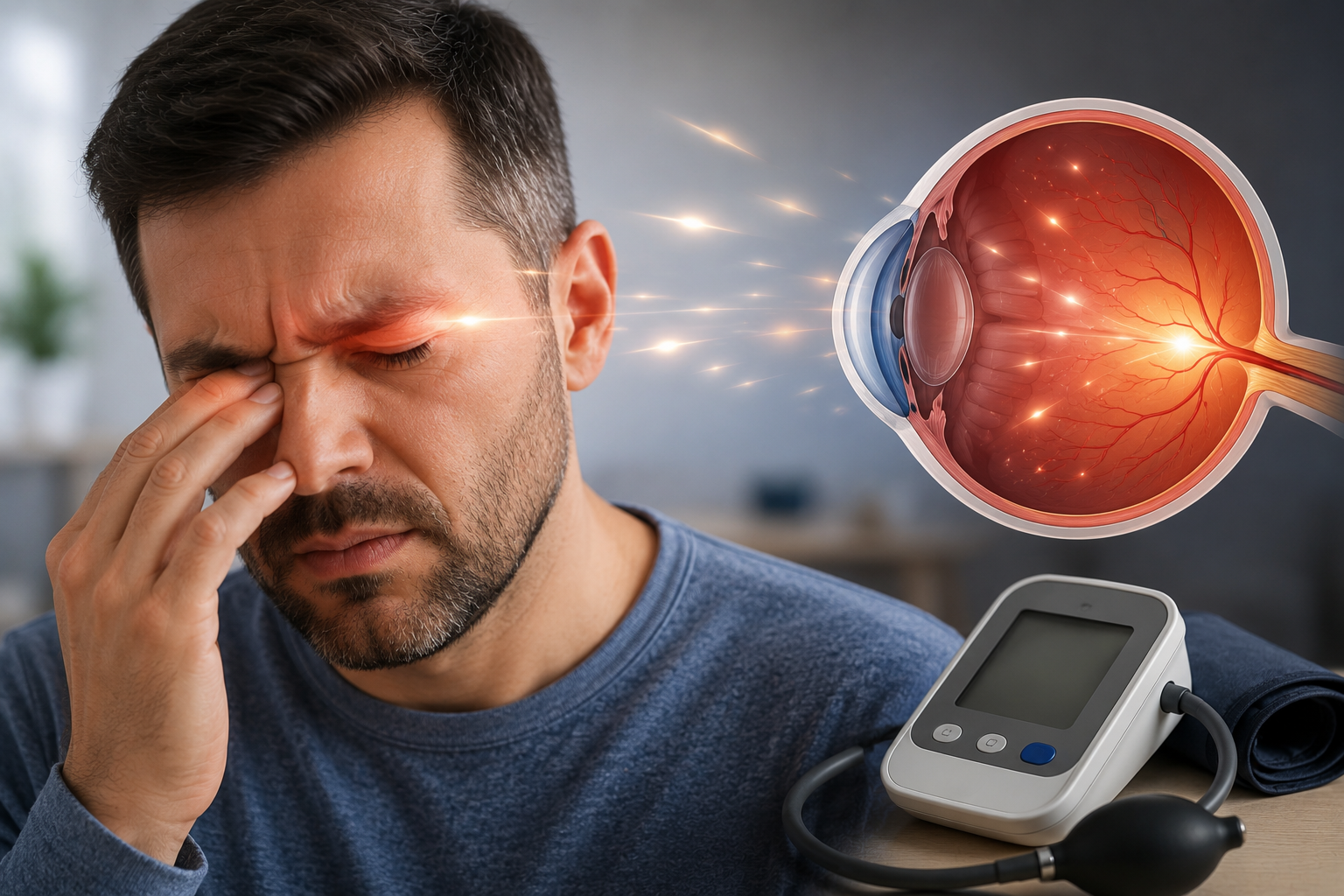
High blood pressure is often called the “silent killer” because it usually develops without noticeable symptoms. Many people don’t realize they have hypertension until it is discovered during a routine health check-up. If left untreated, high blood pressure can increase the risk of heart disease, stroke, kidney disease, and other serious complications.
While occasional high readings may not always require specialist care, consistently elevated blood pressure should never be ignored. Knowing when to see a blood pressure doctor can help you receive the right diagnosis and treatment before complications develop.
If you’ve already read our guide on Buzzing in Ear High Blood Pressure: Causes & Treatment, you know that uncontrolled hypertension may contribute to symptoms such as tinnitus and other cardiovascular problems. Regular blood pressure monitoring and medical care are essential for protecting your long-term health.
What Is a Blood Pressure Doctor?
A blood pressure doctor is a healthcare professional who diagnoses, treats, and manages hypertension (high blood pressure) and related cardiovascular conditions.
Depending on your condition, you may be treated by:
- Primary care physician
- Family medicine doctor
- Internal medicine specialist
- Cardiologist
- Nephrologist (kidney specialist) if kidney disease is involved
Most people begin treatment with their primary care doctor before being referred to a specialist if needed.
When Should You See a Blood Pressure Doctor?
Schedule an appointment if you:
- Have blood pressure readings of 130/80 mmHg or higher on multiple occasions.
- Experience frequent headaches or dizziness.
- Have diabetes or kidney disease.
- Have a family history of hypertension.
- Are overweight or obese.
- Have chest pain or shortness of breath.
- Need help managing blood pressure medication.
Early treatment greatly reduces the risk of serious health problems.
Common Tests Your Doctor May Recommend
To identify the cause of high blood pressure, your doctor may order:
- Blood pressure measurements
- Blood tests
- Urine tests
- Electrocardiogram (ECG)
- Kidney function tests
- Cholesterol test
- Echocardiogram (if necessary)
These tests help determine whether hypertension has affected your heart, kidneys, or other organs.
How Is High Blood Pressure Treated?
Treatment depends on your blood pressure level and overall health.
Your doctor may recommend:
- Eating a heart-healthy diet
- Reducing salt intake
- Regular physical activity
- Losing excess weight
- Limiting alcohol
- Quitting smoking
- Managing stress
- Prescription blood pressure medication if needed
Following your treatment plan consistently is the best way to reduce long-term complications.
Tips to Keep Your Blood Pressure Healthy
Simple lifestyle habits can make a significant difference.
- Exercise for at least 30 minutes most days.
- Eat more fruits and vegetables.
- Choose whole grains.
- Limit processed foods.
- Maintain a healthy weight.
- Sleep 7–9 hours each night.
- Manage stress through relaxation techniques.
- Monitor your blood pressure at home.
Frequently Asked Questions
Which doctor treats high blood pressure?
Most people are treated by a primary care physician, but cardiologists and nephrologists may also manage hypertension in certain cases.
How often should I have my blood pressure checked?
Healthy adults should check it at least once every year. People with hypertension may need more frequent monitoring.
Can high blood pressure be cured?
In many cases, it can be effectively controlled through lifestyle changes and medication, although ongoing management is often necessary.
What happens if high blood pressure is left untreated?
Untreated hypertension increases the risk of heart attack, stroke, kidney disease, vision loss, and other serious health complications.
Conclusion
Seeing a blood pressure doctor at the right time can help prevent serious cardiovascular complications and improve your overall health. Regular monitoring, healthy lifestyle habits, and following your doctor’s recommendations are the most effective ways to keep your blood pressure under control.
Related Articles: