Vitamin D plays a vital role in maintaining strong bones, supporting the immune system, and helping muscles and nerves function properly. Unfortunately, vitamin D deficiency is common among women, especially those who spend little time outdoors, have darker skin, are pregnant, or are over the age of 50.
Because the symptoms often develop gradually, many women don’t realize they have a deficiency until it begins affecting their daily life. Identifying the warning signs early can help prevent long-term complications and improve overall health.
If you’ve already read our article Vitamin B12 Deficiency Symptoms in Women: Early Signs, you’ll know that nutritional deficiencies can cause fatigue, weakness, and other symptoms that are easy to overlook.
What Is Vitamin D?
Vitamin D is a fat-soluble vitamin that helps the body absorb calcium and phosphorus. It supports:
- Strong bones and teeth
- Healthy muscles
- Immune system function
- Nerve function
- Mood regulation
Your body produces vitamin D when your skin is exposed to sunlight, and it can also be obtained from certain foods and supplements.
Symptoms of Vitamin D Deficiency in Women
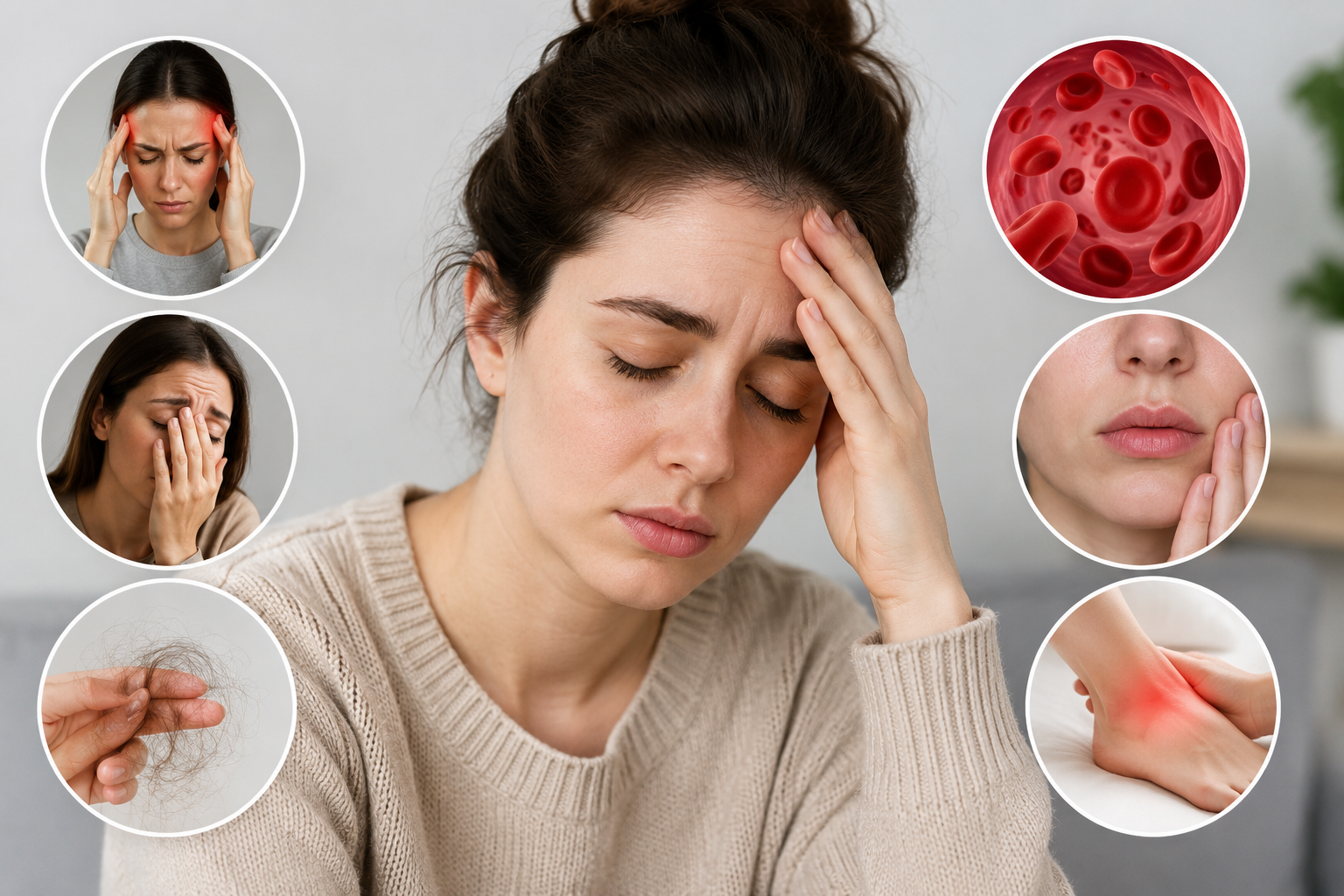
Low vitamin D levels may cause:
- Constant tiredness
- Bone pain
- Muscle weakness
- Frequent back pain
- Mood changes or depression
- Hair thinning
- Slow wound healing
- Frequent infections
- Difficulty climbing stairs
- Increased risk of fractures
Some women have no symptoms until the deficiency becomes severe.
Common Causes
Vitamin D deficiency can occur due to:
- Limited sun exposure
- Wearing clothing that covers most of the skin
- Darker skin tone
- Poor dietary intake
- Obesity
- Kidney or liver disease
- Digestive disorders such as Crohn’s disease or celiac disease
- Pregnancy and breastfeeding
- Older age
Best Food Sources of Vitamin D
Foods rich in vitamin D include:
- Salmon
- Tuna
- Sardines
- Egg yolks
- Beef liver
- Fortified milk
- Fortified cereals
- Fortified orange juice
- Mushrooms exposed to UV light
Sunlight remains one of the most effective natural sources.
How Is Vitamin D Deficiency Diagnosed?
Doctors usually diagnose vitamin D deficiency with a 25-hydroxy vitamin D blood test. Additional tests may include calcium, phosphorus, and parathyroid hormone (PTH) levels if needed.
Treatment
Treatment depends on the severity of the deficiency and may include:
- Vitamin D supplements
- Safe sun exposure
- Eating more vitamin D-rich foods
- Treating underlying medical conditions
- Regular follow-up blood tests
Always follow your healthcare provider’s dosage recommendations.
Frequently Asked Questions
What is the first sign of vitamin D deficiency?
Fatigue and muscle weakness are among the earliest symptoms reported by many people.
Can low vitamin D cause anxiety?
Some studies suggest an association between low vitamin D levels and mood disorders, but more research is needed.
How long does it take to correct a deficiency?
Many people improve within a few months of appropriate treatment, depending on the severity of the deficiency.
Can I get enough vitamin D from food alone?
It can be difficult. Many people require sunlight exposure or supplements to maintain healthy levels.
Conclusion
Vitamin D deficiency is common among women and can affect bone health, muscles, immunity, and overall well-being. Recognizing the symptoms early, eating a balanced diet, getting safe sunlight exposure, and seeking medical advice when needed can help restore healthy vitamin D levels and prevent complications.
Related Articles: