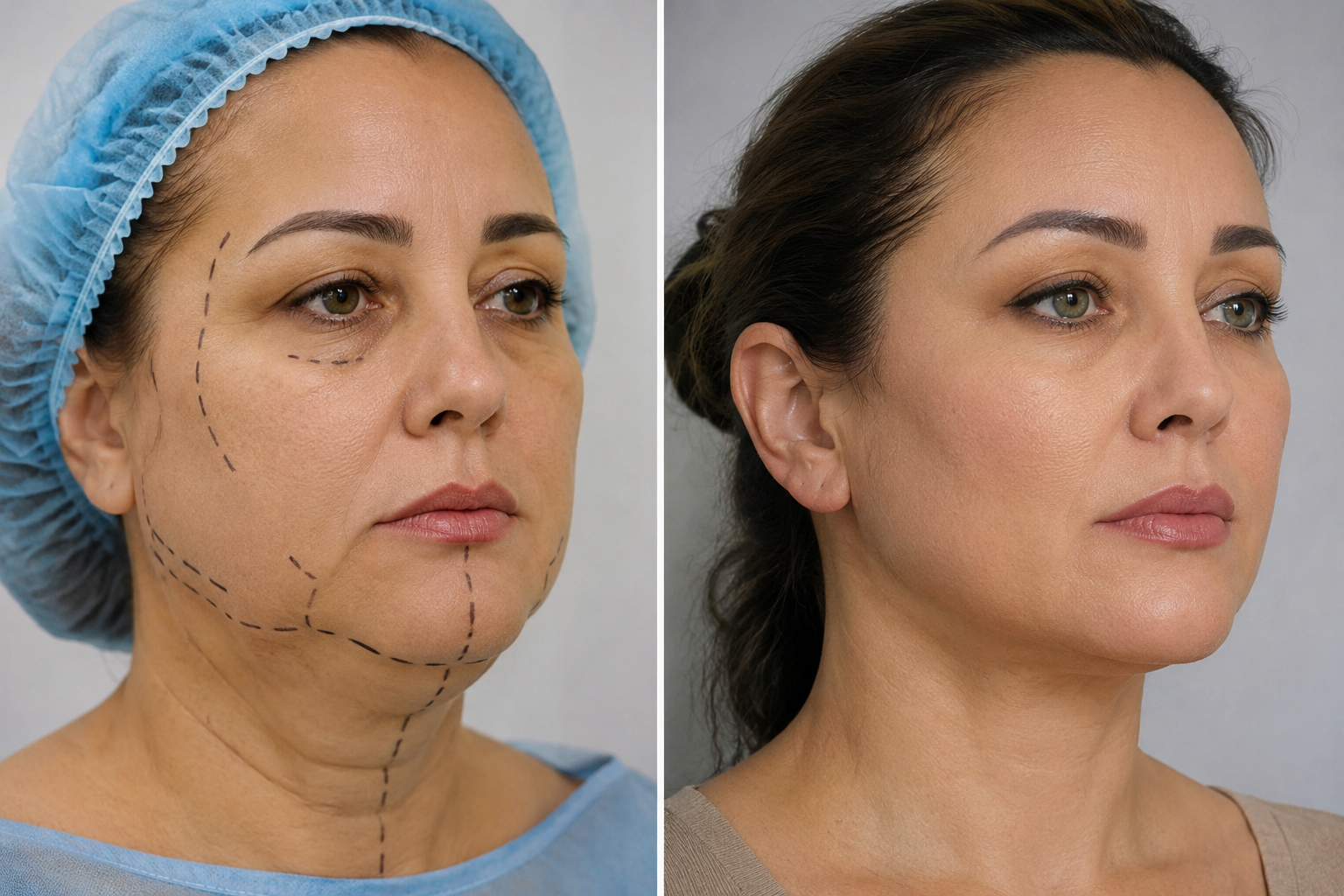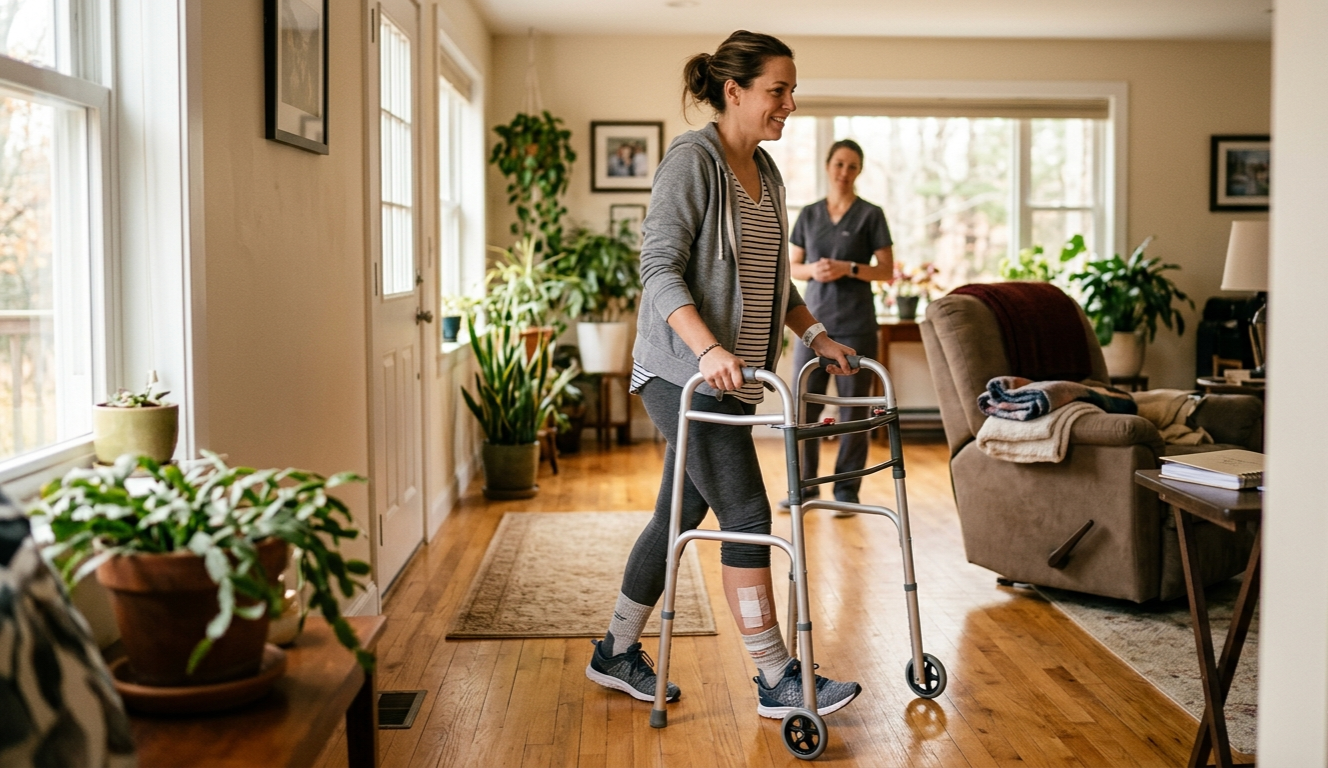
Recovering after surgery can feel challenging, but the right habits can help your body heal faster and reduce discomfort. Whether the procedure was minor or major, recovery is an important stage that should never be ignored. Many people focus only on the surgery itself, but proper post-surgery care often determines how quickly and safely someone returns to normal life.
Healing takes time, and every person’s body responds differently. However, there are proven ways to support recovery naturally and effectively. From eating nutritious foods to getting enough rest, small daily choices can make a huge difference. Below are some of the best tips for faster recovery after surgery.
Follow Your Doctor’s Instructions Carefully
One of the most important things you can do after surgery is to follow your doctor’s advice exactly as instructed. Your surgeon understands your condition, the type of procedure performed, and what your body needs to heal properly.
This may include:
- Taking medications on schedule
- Keeping the wound clean and dry
- Avoiding heavy lifting
- Attending follow-up appointments
- Limiting physical activities for a certain period
Ignoring medical instructions can slow healing and increase the risk of infection or complications. If something feels unusual during recovery, contact your healthcare provider immediately instead of trying to self-diagnose.
Prioritize Rest and Sleep
The body repairs itself during sleep. After surgery, your immune system works harder than usual to heal tissues and fight inflammation. That is why rest is essential for recovery.
Try to:
- Sleep at least 7–9 hours every night
- Take short naps if you feel tired
- Avoid staying awake late unnecessarily
- Create a calm and comfortable sleeping environment
Proper sleep helps reduce stress hormones and improves tissue repair. Patients who rest adequately often experience less pain and faster healing.
Stay Hydrated
Water plays a major role in recovery. Staying hydrated helps transport nutrients throughout the body, supports circulation, and prevents constipation caused by pain medications.
Drink enough fluids throughout the day unless your doctor recommends restrictions. Good hydration options include:
- Water
- Herbal tea
- Fresh fruit-infused water
- Clear soups or broths
Avoid excessive sugary drinks and alcohol during recovery because they may increase inflammation and delay healing.
Eat Nutrient-Rich Foods
Your body needs proper nutrition to rebuild tissues after surgery. A healthy diet provides vitamins, minerals, and protein that support faster healing.
Focus on foods such as:
Protein-Rich Foods
Protein helps repair damaged tissues and maintain muscle strength.
Examples include:
- Eggs
- Chicken
- Fish
- Yogurt
- Beans
- Lentils
Fruits and Vegetables
These contain antioxidants and vitamins that support the immune system.
Best choices include:
- Berries
- Oranges
- Spinach
- Broccoli
- Carrots
Healthy Fats
Healthy fats help reduce inflammation.
Good sources are:
- Avocados
- Nuts
- Olive oil
- Seeds
Whole Grains
Whole grains provide energy and fiber for digestion.
Examples:
- Brown rice
- Oatmeal
- Whole wheat bread
Avoid processed foods, excessive sugar, and greasy meals because they may slow recovery.
Move Your Body Gently
While rest is important, too much inactivity can also create problems after surgery. Gentle movement improves blood circulation and reduces the risk of blood clots.
Depending on your doctor’s advice, you may benefit from:
- Short walks
- Light stretching
- Breathing exercises
- Physical therapy exercises
Start slowly and avoid pushing your body too hard. Even a few minutes of movement several times a day can improve recovery.
Manage Pain Properly
Pain management is an important part of healing. Severe pain can increase stress, interfere with sleep, and reduce mobility.
Take pain medications exactly as prescribed. Some additional ways to reduce discomfort may include:
- Using ice packs if approved
- Elevating the affected area
- Practicing deep breathing
- Listening to relaxing music
- Using supportive pillows
Never take extra medication without medical guidance. If pain suddenly worsens, seek professional advice immediately.
Prevent Infection
Infections can seriously delay recovery after surgery. Proper wound care is essential for safe healing.
To reduce infection risk:
- Wash your hands before touching the wound
- Keep bandages clean and dry
- Avoid swimming until cleared by your doctor
- Watch for redness, swelling, or unusual drainage
Signs of infection may include fever, increased pain, foul odor, or pus around the incision. Early treatment is extremely important.
Avoid Smoking and Alcohol
Smoking restricts oxygen flow in the body, which slows tissue repair and increases complications after surgery. Alcohol may interfere with medications and weaken the immune system.
For faster recovery:
- Avoid cigarettes and tobacco products
- Limit or completely avoid alcohol
- Stay away from secondhand smoke when possible
Patients who stop smoking often heal significantly faster than those who continue.
Support Your Mental Health
Surgery recovery can sometimes feel emotionally exhausting. Stress and anxiety may negatively affect the healing process.
Try activities that help you stay calm and positive:
- Meditation
- Light reading
- Listening to music
- Talking with loved ones
- Practicing gratitude
Having emotional support from family and friends can improve motivation and overall recovery.
Be Patient With Your Body
Many people expect to recover immediately, but healing takes time. Some days may feel better than others, and that is completely normal.
Avoid comparing your recovery to someone else’s experience. Your body heals at its own pace depending on factors like:
- Age
- Overall health
- Type of surgery
- Lifestyle habits
Celebrate small improvements and focus on consistent progress instead of perfection.
Know When to Seek Medical Help
Although mild discomfort is normal after surgery, some symptoms require immediate medical attention.
Contact your doctor if you experience:
- High fever
- Difficulty breathing
- Severe swelling
- Heavy bleeding
- Chest pain
- Persistent vomiting
- Sudden worsening pain
Quick action can prevent serious complications and improve recovery outcomes.
Final Thoughts
Recovering after surgery requires patience, care, and healthy habits. By following medical advice, eating nutritious foods, staying hydrated, resting properly, and moving gently, you can support your body’s natural healing process.
Every recovery journey is different, but consistent self-care can make a major difference in how quickly you regain strength and return to daily life. Taking care of both your physical and mental health after surgery is one of the best investments you can make for long-term wellness.