Health and safety play an important role in creating a better lifestyle for individuals, families, and communities. In a busy area like Southall, where people work hard and manage active daily routines, maintaining good health and following proper safety practices can improve quality of life. From personal hygiene and healthy eating to workplace safety and mental wellness, small daily habits can make a huge difference.
This guide explains how people can improve their daily wellness through better health and safety practices. Whether you are a student, worker, parent, or senior citizen, these simple tips can help you live a healthier and safer life.
Understanding Health and Safety
Health and safety refer to the steps people take to protect their physical and mental well-being. Health focuses on keeping the body and mind strong, while safety helps prevent accidents, injuries, and harmful situations.
In modern communities, health and safety are connected to:
- Personal hygiene
- Healthy food choices
- Mental wellness
- Safe workplaces
- Clean environments
- Physical fitness
- Disease prevention
- Stress management
When people follow proper health and safety habits, they reduce the risk of illness and improve their overall happiness.
Importance of Daily Wellness
Daily wellness is not only about avoiding sickness. It is about feeling energetic, confident, and balanced every day. Good wellness helps people:
- Stay active and productive
- Improve mental focus
- Sleep better at night
- Build stronger immunity
- Reduce stress and anxiety
- Prevent long-term diseases
Healthy habits also support children’s growth and help older adults maintain independence for a longer time.
Healthy Eating for Better Living
One of the most important parts of wellness is nutrition. A balanced diet gives the body the energy and nutrients it needs to function properly.
Eat More Fresh Foods
Fresh fruits and vegetables contain vitamins, minerals, and antioxidants that support the immune system. Try adding foods like:
- Apples
- Bananas
- Oranges
- Spinach
- Carrots
- Tomatoes
Whole grains, nuts, and lean proteins are also important for maintaining good health.
Reduce Processed Foods
Fast food and processed snacks often contain too much sugar, salt, and unhealthy fats. Eating these foods regularly can increase the risk of obesity, diabetes, and heart disease.
Instead, choose healthier alternatives such as:
- Homemade meals
- Fresh juices
- Whole wheat bread
- Grilled foods
- Low-fat dairy products
Stay Hydrated
Water is essential for the body. Drinking enough water helps digestion, improves skin health, and prevents dehydration. Adults should aim to drink several glasses of water every day.
The Role of Physical Activity
Exercise is one of the best ways to maintain health and reduce disease risk. Regular physical activity strengthens muscles, improves heart health, and boosts mental wellness.
Easy Daily Exercises
People do not always need a gym membership to stay fit. Simple activities can improve physical health, including:
- Walking
- Cycling
- Jogging
- Stretching
- Yoga
- Dancing
Even 30 minutes of movement daily can make a positive difference.
Benefits of Exercise
Regular exercise helps:
- Burn extra calories
- Improve blood circulation
- Increase energy levels
- Reduce stress
- Improve sleep quality
- Strengthen bones and muscles
Exercise is also helpful for maintaining a healthy weight.
Mental Health and Emotional Wellness
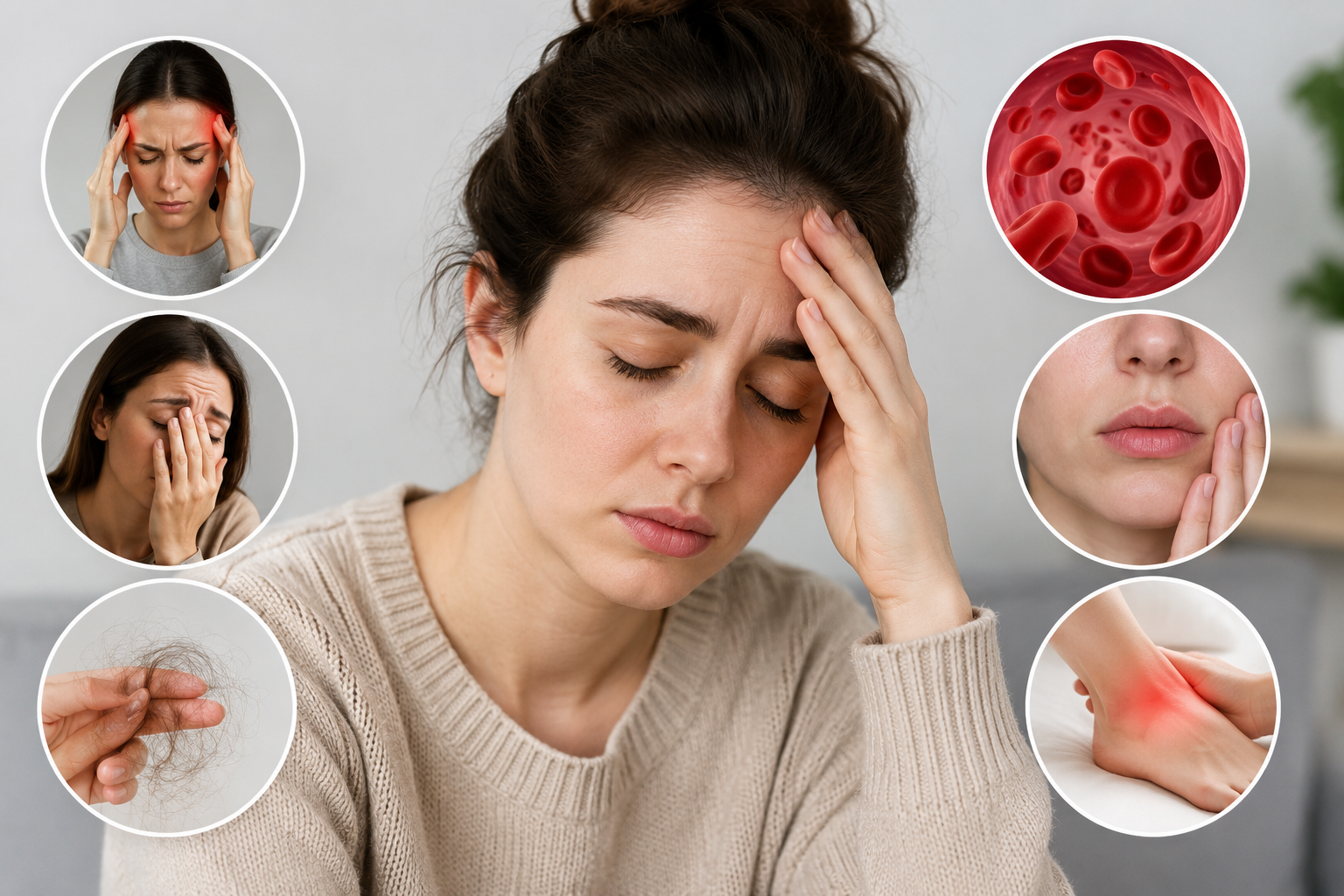
Mental health is just as important as physical health. Stress, anxiety, and emotional pressure can affect everyday life and overall wellness.
Common Causes of Stress
Many people experience stress because of:
- Work pressure
- Financial problems
- Family responsibilities
- Lack of sleep
- Social pressure
Ignoring stress can lead to serious health problems over time.
Simple Ways to Improve Mental Wellness
People can protect their mental health by:
- Taking regular breaks
- Spending time with family
- Practicing meditation
- Listening to relaxing music
- Getting enough sleep
- Talking openly about feelings
Positive thinking and healthy relationships also improve emotional well-being.
Workplace Health and Safety
Many adults spend most of their time at work, making workplace safety extremely important. Unsafe working conditions can cause injuries, stress, and health issues.
Common Workplace Risks
Some common workplace hazards include:
- Slippery floors
- Heavy lifting
- Poor lighting
- Long sitting hours
- Stressful environments
- Unsafe equipment
Safety Tips at Work
Employees and employers should work together to create safer workplaces. Helpful practices include:
- Wearing protective equipment
- Keeping work areas clean
- Taking short breaks
- Maintaining proper posture
- Following safety instructions
- Reporting hazards immediately
Safe workplaces improve productivity and protect employees from harm.
Importance of Personal Hygiene
Good hygiene protects people from bacteria, viruses, and infections. Simple hygiene habits are powerful tools for disease prevention.
Essential Hygiene Practices
Daily hygiene should include:
- Washing hands regularly
- Brushing teeth twice daily
- Bathing regularly
- Wearing clean clothes
- Keeping nails trimmed
Proper hygiene became even more important during global health crises like COVID-19.
Benefits of Good Hygiene
Maintaining cleanliness helps:
- Prevent infections
- Improve confidence
- Protect family members
- Reduce unpleasant odors
- Support overall wellness
Clean environments also improve public health.
Sleep and Recovery
Many people underestimate the importance of sleep. However, sleep is necessary for both physical and mental recovery.
How Much Sleep Is Needed?
Most adults need around 7 to 9 hours of sleep each night. Children and teenagers may need even more.
Tips for Better Sleep
To improve sleep quality:
- Avoid mobile phones before bed
- Maintain a regular sleep schedule
- Keep the bedroom quiet and dark
- Avoid heavy meals late at night
- Reduce caffeine intake in the evening
Good sleep improves concentration, mood, and immune function.
Preventing Common Diseases
Preventive healthcare helps people stay healthy and avoid serious medical conditions.
Regular Health Checkups
Routine medical checkups can detect problems early before they become severe. People should regularly monitor:
- Blood pressure
- Blood sugar
- Cholesterol levels
- Weight
- Vision and dental health
Early treatment often leads to better health outcomes.
Vaccinations and Immunity
Vaccines help protect individuals and communities from dangerous diseases. Following recommended vaccination schedules is important for children and adults alike.
Avoid Smoking and Excess Alcohol
Smoking damages the lungs and heart, while excessive alcohol use can harm the liver and mental health. Avoiding these habits greatly improves long-term wellness.
Community Health Awareness
Communities become healthier when people support each other and spread awareness about health and safety practices.
Building a Healthier Community
People can help improve community wellness by:
- Sharing health information
- Supporting local health programs
- Encouraging healthy habits in children
- Participating in fitness activities
- Maintaining clean neighborhoods
Community cooperation creates safer and healthier living environments.
Safety at Home
Home safety is also essential for protecting family members, especially children and older adults.
Home Safety Tips
Important home safety measures include:
- Keeping medicines out of children’s reach
- Installing smoke alarms
- Cleaning spills immediately
- Using electrical appliances carefully
- Locking dangerous tools safely
A safe home reduces the risk of accidents and injuries.
Digital Health and Screen Time
Technology is now a major part of everyday life. While digital devices provide convenience, excessive screen time can affect health.
Effects of Too Much Screen Time
Long hours on screens may cause:
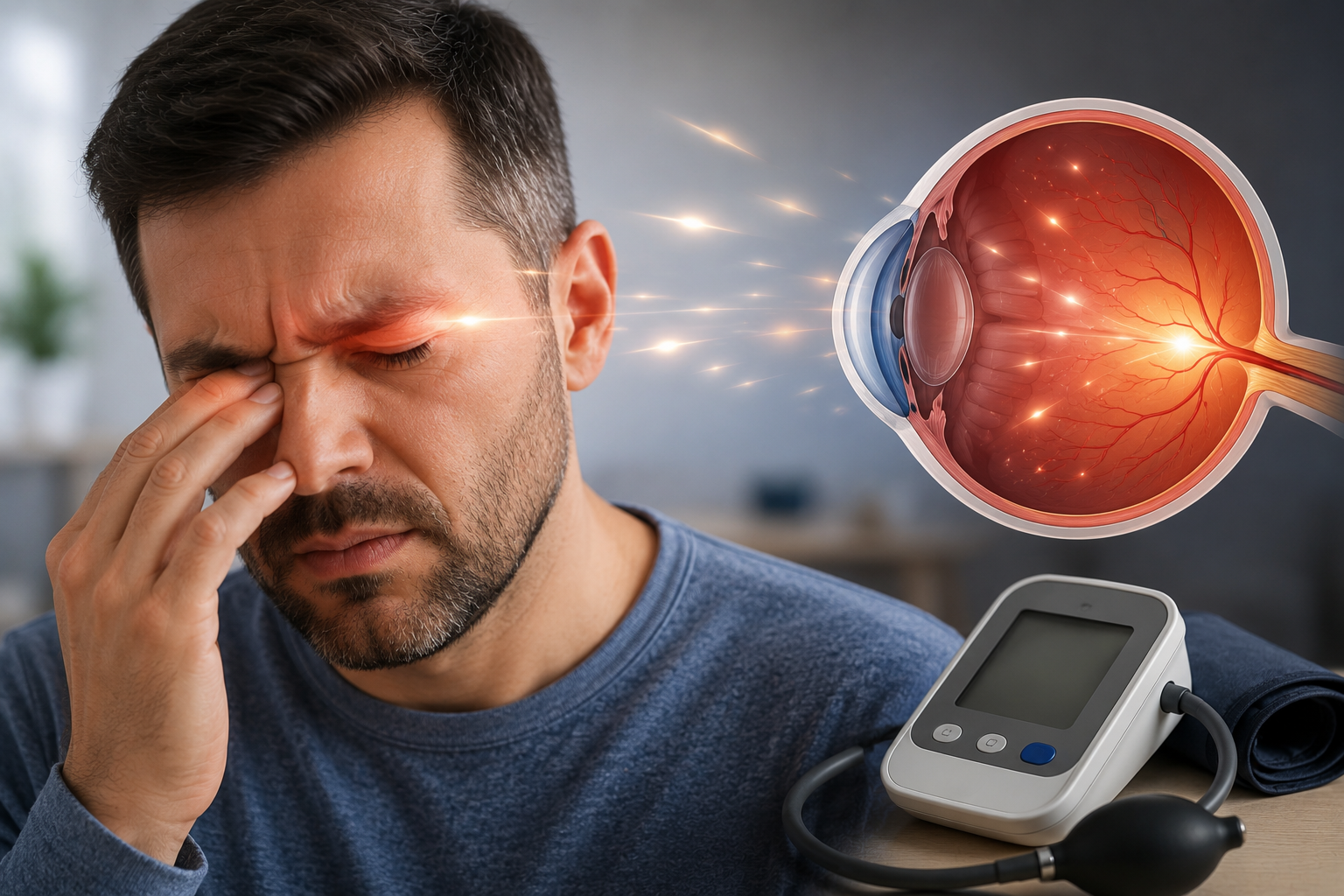
- Eye strain
- Poor posture
- Headaches
- Sleep problems
- Reduced physical activity
Maintaining Digital Balance
To maintain healthier habits:
- Take regular screen breaks
- Use proper lighting
- Limit social media use
- Spend more time outdoors
- Practice eye exercises
Balancing digital life with physical activity supports overall wellness.
Creating Long-Term Healthy Habits
Good health is built through consistency. Small healthy habits repeated every day often create better results than short-term efforts.
Simple Habits for Daily Wellness
Healthy daily habits include:
- Drinking enough water
- Walking regularly
- Eating balanced meals
- Managing stress
- Sleeping properly
- Staying positive
- Practicing cleanliness
Consistency is the key to lasting wellness.
Conclusion
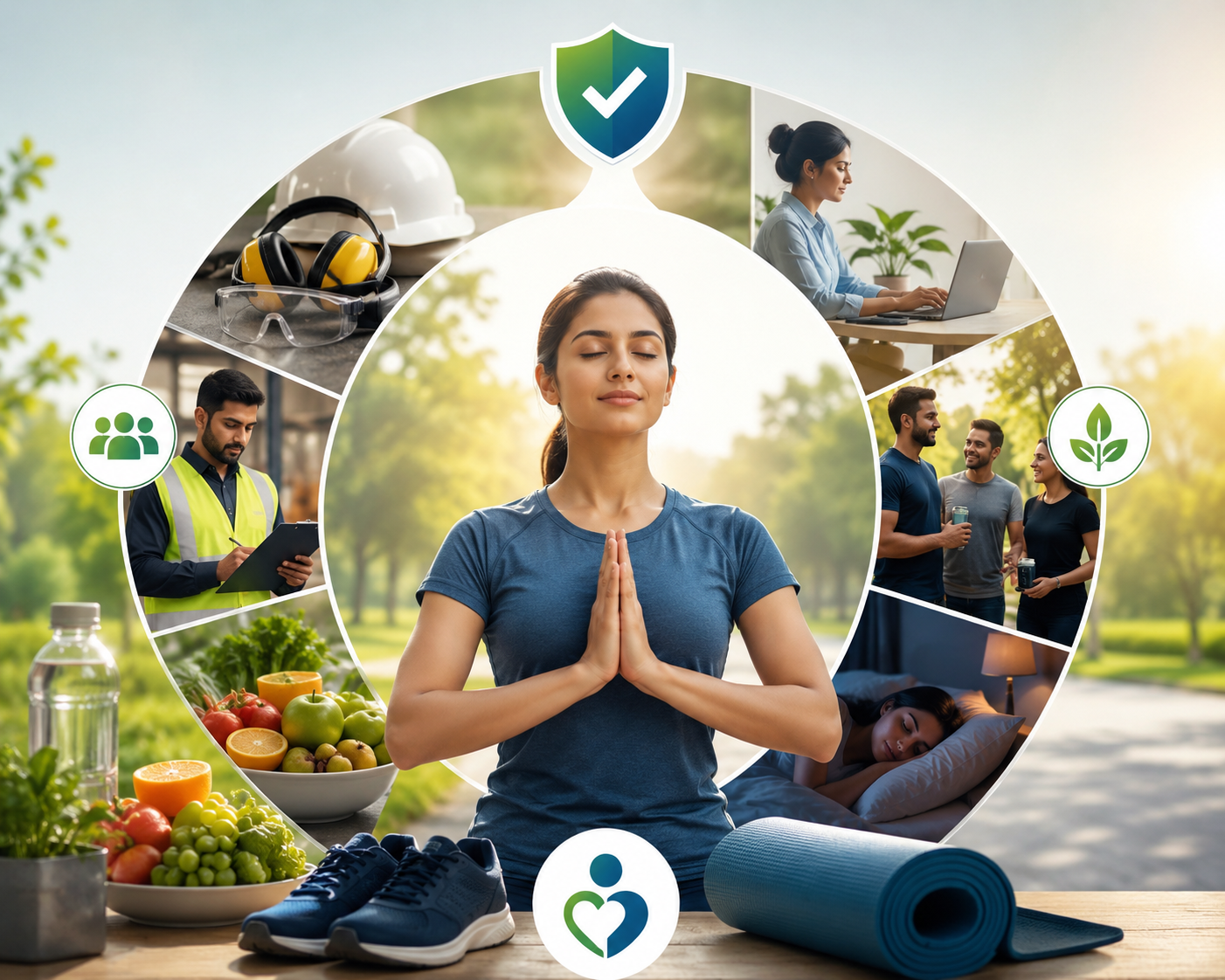
Health and safety are essential parts of a happy and productive life. By following simple daily wellness practices, people can improve their physical health, mental well-being, and overall quality of life. Healthy eating, exercise, proper hygiene, stress management, and safe environments all work together to create stronger communities.
In places like Southall and beyond, promoting health and safety awareness can help families live healthier and safer lives every day. Small changes may seem simple, but they can lead to long-term benefits for individuals and society as a whole.
Making wellness a daily priority is one of the best investments anyone can make for a healthier future.