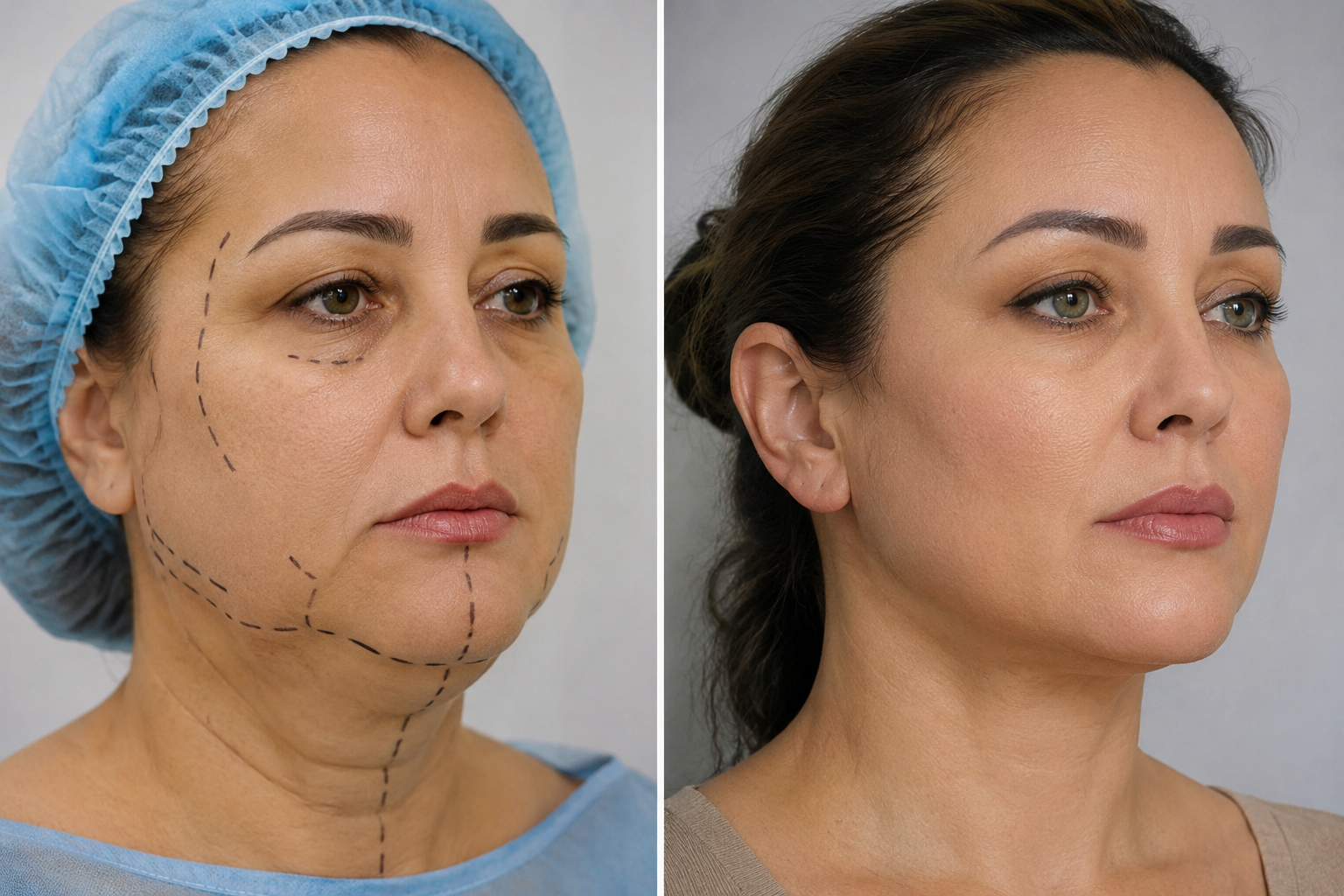
Surgery is a major medical event that can bring both relief and anxiety. Whether it is a minor procedure or a major operation, understanding what happens before and after surgery can make the entire experience less stressful and more predictable. Patients who are well-informed tend to recover better, follow instructions more carefully, and feel more confident throughout the process.
This article explains in simple and clear language what you can expect before and after surgery, including preparation, hospital experience, recovery, and emotional changes.
Understanding the Purpose of Surgery
Before anything else, it is important to understand why surgery is being recommended. Doctors suggest surgery when it is the best option to treat, repair, or remove a medical condition that cannot be managed effectively with medication or lifestyle changes alone.
Common reasons include:
- Removing infections or tumors
- Repairing injuries (bones, joints, organs)
- Improving body function
- Preventing future health complications
Knowing the purpose of your surgery helps reduce fear and builds trust in the process.
What Happens Before Surgery
The preparation phase is one of the most important parts of the surgical journey. It ensures that your body is ready and reduces risks during the operation.
1. Medical Evaluation
Before surgery, your doctor will perform a full medical assessment. This may include:
- Blood tests
- X-rays or scans
- ECG (heart test)
- Reviewing medical history
The goal is to ensure you are fit for anesthesia and surgery.
2. Pre-Surgery Instructions
Your doctor will give specific instructions, which may include:
- Fasting (no food or drink for 6–12 hours before surgery)
- Stopping certain medications like blood thinners
- Avoiding smoking and alcohol
- Bathing with antiseptic soap
Following these instructions carefully is extremely important for safety.
3. Meeting the Anesthesia Team
You will meet an anesthesiologist who will explain how you will be kept pain-free during surgery. Depending on the procedure, you may receive:
- General anesthesia (you are fully asleep)
- Local anesthesia (only a small area is numb)
- Regional anesthesia (larger area is numb, like legs or abdomen)
You will also be asked about allergies, past reactions, and medical conditions.
4. Mental and Emotional Preparation
It is completely normal to feel nervous before surgery. Many patients experience anxiety or fear of the unknown. Helpful ways to prepare mentally include:
- Asking questions to your doctor
- Talking to family or friends
- Practicing relaxation techniques
- Trusting the medical team
Understanding what will happen reduces fear significantly.
What Happens on the Day of Surgery
On the day of surgery, you will be admitted to the hospital and prepared for the procedure.
1. Admission and Final Checks
Nurses will:
- Confirm your identity
- Check vital signs (blood pressure, temperature, heart rate)
- Review consent forms
- Change you into a hospital gown
2. IV Line and Pre-Medication
An intravenous (IV) line will be inserted into your arm. This is used to:
- Give fluids
- Administer anesthesia
- Provide medications during surgery
You may also receive mild sedatives to help you relax.
3. Transfer to Operating Room
You will be taken to the operating theatre, which may look bright and highly controlled. The surgical team will be present, including surgeons, nurses, and anesthesiologists.
Once anesthesia begins, you will either fall asleep or feel numb depending on the type used.
During Surgery
While you are unconscious or numb, the surgical team performs the procedure with precision. Modern operating rooms are highly advanced, using sterile techniques and monitoring systems to ensure safety.
You will be continuously monitored for:
- Heart rate
- Oxygen levels
- Blood pressure
Most surgeries are completed without any complications, especially when patients follow pre-surgery instructions properly.
What Happens Immediately After Surgery
Once the surgery is completed, you are moved to a recovery room.
1. Waking Up from Anesthesia
If you had general anesthesia, you may feel:
- Drowsy or confused
- Dry mouth
- Mild nausea
- Shivering or cold sensation
These effects are temporary and usually wear off within a few hours.
2. Pain Management
Some discomfort or pain is normal after surgery. Doctors will provide:
- Painkillers
- Anti-inflammatory medications
- Antibiotics if needed
Always communicate your pain level so medication can be adjusted properly.
3. Monitoring in Recovery Room
Nurses will closely observe you for:
- Stable breathing
- Heart rate stability
- Bleeding or swelling
- Consciousness level
Once stable, you may be moved to a hospital room or discharged, depending on the procedure.
Hospital Recovery Phase
If your surgery requires staying in the hospital, recovery begins immediately.
1. Gradual Movement
Doctors may encourage you to:
- Sit up in bed
- Walk short distances
- Perform light breathing exercises
This helps prevent blood clots and improves healing.
2. Wound Care
Proper wound care is essential:
- Keep the surgical area clean and dry
- Change dressings as instructed
- Watch for signs of infection (redness, swelling, pus)
3. Eating and Drinking
You may start with:
- Clear fluids
- Light meals
- Gradual return to normal diet
Digestive system recovery depends on the type of surgery.
What to Expect After Going Home
Once discharged, recovery continues at home. This phase is very important for long-term healing.
1. Rest and Activity Balance
You should:
- Get enough rest
- Avoid heavy lifting
- Slowly increase activity levels
Too much activity can delay healing, while too little can cause stiffness.
2. Medication Routine
Follow your prescription carefully:
- Pain relief medicines
- Antibiotics
- Blood thinners (if prescribed)
Never skip doses without consulting your doctor.
3. Follow-Up Appointments
Your doctor will schedule follow-ups to:
- Check healing progress
- Remove stitches or staples
- Adjust medications if needed
Do not miss these appointments.
Emotional Recovery After Surgery
Physical healing is only one part of recovery. Emotional changes are also common.
You may experience:
- Mood swings
- Anxiety about recovery
- Temporary depression or fatigue
These feelings are normal and usually improve with time. Support from family and friends plays a key role.
Warning Signs to Watch For
After surgery, contact your doctor immediately if you notice:
- High fever
- Severe pain not controlled by medication
- Excessive bleeding
- Difficulty breathing
- Swelling or redness around the wound
- Unusual discharge from incision
Early attention prevents complications.
Tips for Faster Recovery
Here are simple but effective tips:
- Follow all medical instructions strictly
- Eat a balanced, protein-rich diet
- Stay hydrated
- Avoid smoking and alcohol
- Keep a positive mindset
- Do gentle movement as advised
Consistency is the key to smooth recovery.
Final Thoughts
Surgery can feel overwhelming, but knowing what to expect before and after the procedure makes the journey much easier. Preparation reduces risks, and proper aftercare ensures faster healing. Every patient recovers at a different pace, so patience and discipline are essential.
By following your doctor’s advice, taking care of your body, and staying informed, you can move through surgery with confidence and return to your normal life safely and smoothly.