Introduction
Health is one of the most valuable parts of life, yet many people only visit a doctor when they feel sick. Regular health checkups are important because they help detect problems early, prevent serious diseases, and maintain overall well-being. A simple medical examination can reveal hidden health conditions before they become dangerous or expensive to treat.
In today’s busy lifestyle, people often ignore small symptoms like tiredness, headaches, stress, or body pain. These signs may seem harmless, but they can sometimes indicate underlying health issues. Regular health checkups allow doctors to monitor your body and provide guidance for a healthier life.
No matter your age, routine medical examinations are essential for staying physically and mentally healthy. They help people live longer, improve quality of life, and reduce the risk of major illnesses.
What Are Regular Health Checkups?
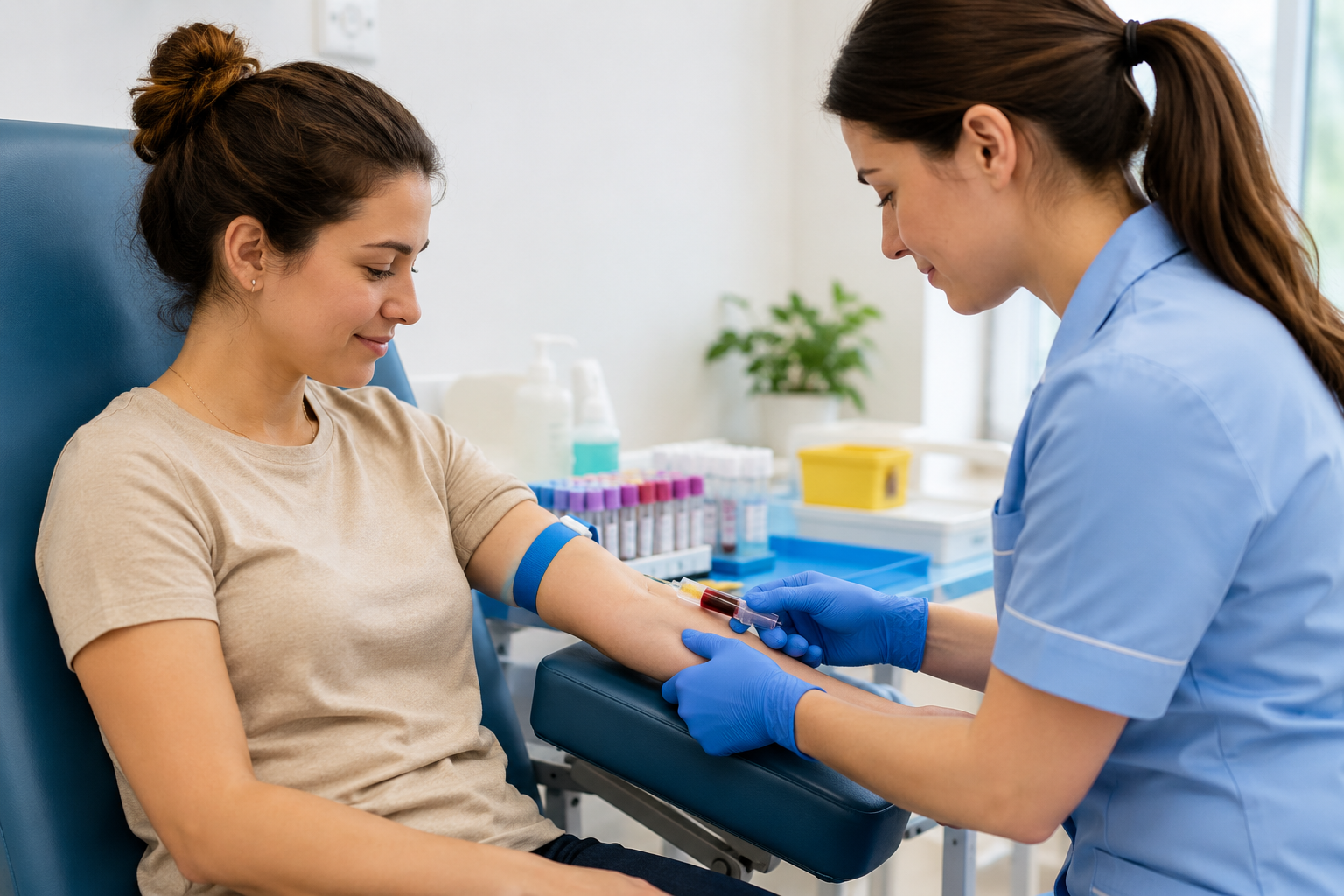
Regular health checkups are routine medical examinations performed by healthcare professionals to evaluate your overall health. These checkups usually include:
- Blood pressure monitoring
- Blood tests
- Cholesterol checks
- Diabetes screening
- Weight and BMI assessment
- Heart health evaluation
- Eye and dental examinations
Doctors may also recommend additional tests depending on age, gender, lifestyle, and family medical history.
The purpose of these examinations is not only to treat illness but also to prevent health problems before they become serious.
Early Detection of Diseases
One of the biggest advantages of regular health checkups is early disease detection. Many serious illnesses develop slowly and show very few symptoms in the early stages. Conditions like diabetes, high blood pressure, heart disease, and certain cancers can remain unnoticed for years.
When diseases are discovered early, treatment becomes easier and more effective. Early diagnosis can:
- Reduce complications
- Improve recovery chances
- Lower medical expenses
- Prevent disease progression
For example, high blood pressure is often called a “silent killer” because many people do not realize they have it until serious complications occur. Routine checkups can identify such conditions before they become life-threatening.
Prevention Is Better Than Cure
Preventive healthcare is one of the smartest ways to protect your body. Regular medical visits help doctors identify risk factors and provide advice to prevent future illnesses.
A doctor may suggest:
- Healthy eating habits
- Exercise routines
- Weight management plans
- Vaccinations
- Stress reduction techniques
- Lifestyle improvements
These recommendations help people avoid chronic diseases and maintain a healthier life.
Preventive care also encourages individuals to become more aware of their bodies and health conditions. People who regularly monitor their health are more likely to make positive lifestyle choices.
Maintaining a Healthy Lifestyle
Regular health checkups motivate people to maintain healthy habits. When individuals know their current health status, they often become more careful about their diet, exercise, sleep, and daily routine.
Doctors can guide patients about:
Proper Nutrition
A balanced diet is important for maintaining energy, immunity, and overall health. Medical professionals can recommend nutritional plans based on personal needs.
Physical Activity
Exercise helps improve heart health, strengthen muscles, and reduce stress. Doctors may suggest suitable physical activities according to age and fitness level.
Mental Health Support
Mental health is just as important as physical health. Stress, anxiety, and depression can affect daily life and physical well-being. Regular checkups allow doctors to discuss emotional health and recommend support if needed.
Reducing Healthcare Costs
Many people avoid medical checkups because they think they are expensive. However, ignoring health problems can lead to more serious conditions that require costly treatments and hospitalization.
Routine medical examinations can save money by:
- Preventing severe illnesses
- Reducing emergency medical visits
- Lowering treatment costs
- Avoiding long hospital stays
Treating a disease in its early stage is usually much cheaper and more successful than managing advanced illness.
Importance of Checkups for Different Age Groups
Children
Regular pediatric checkups help monitor growth, development, nutrition, and vaccinations. Early detection of developmental or health issues ensures better treatment outcomes.
Adults
Adults should monitor blood pressure, cholesterol, blood sugar, and overall fitness regularly. Lifestyle-related diseases are becoming more common due to stress, poor diet, and lack of exercise.
Older Adults
Senior citizens are at higher risk for chronic illnesses such as arthritis, osteoporosis, heart disease, and diabetes. Regular checkups help manage these conditions and improve quality of life.
Building a Strong Relationship With Your Doctor
Routine visits help create trust and communication between patients and healthcare providers. Doctors become familiar with medical history, lifestyle habits, and potential risks, making it easier to provide personalized care.
A strong doctor-patient relationship encourages people to discuss concerns openly and receive proper guidance for their health.
Encouraging Family Health Awareness
When one family member prioritizes regular health checkups, it often encourages others to do the same. Families that focus on preventive healthcare usually adopt healthier lifestyles together.
Parents who schedule regular medical examinations for themselves and their children teach the importance of health responsibility from an early age.
Tips for Maintaining Regular Health Checkups
To make routine checkups part of your lifestyle:
- Schedule annual medical appointments
- Keep a record of medical history
- Follow doctor recommendations
- Maintain a healthy diet
- Stay physically active
- Avoid smoking and excessive alcohol
- Manage stress effectively
Consistency is the key to long-term health benefits.
Conclusion
Regular health checkups play a vital role in maintaining a healthy and balanced life. They help detect diseases early, prevent serious health conditions, reduce medical costs, and encourage healthier lifestyle choices.
Many illnesses can be avoided or managed successfully through routine medical examinations and preventive care. Taking care of your health today can protect your future and improve your quality of life.
No matter your age or current health condition, making regular checkups a priority is one of the best investments you can make for yourself and your family.