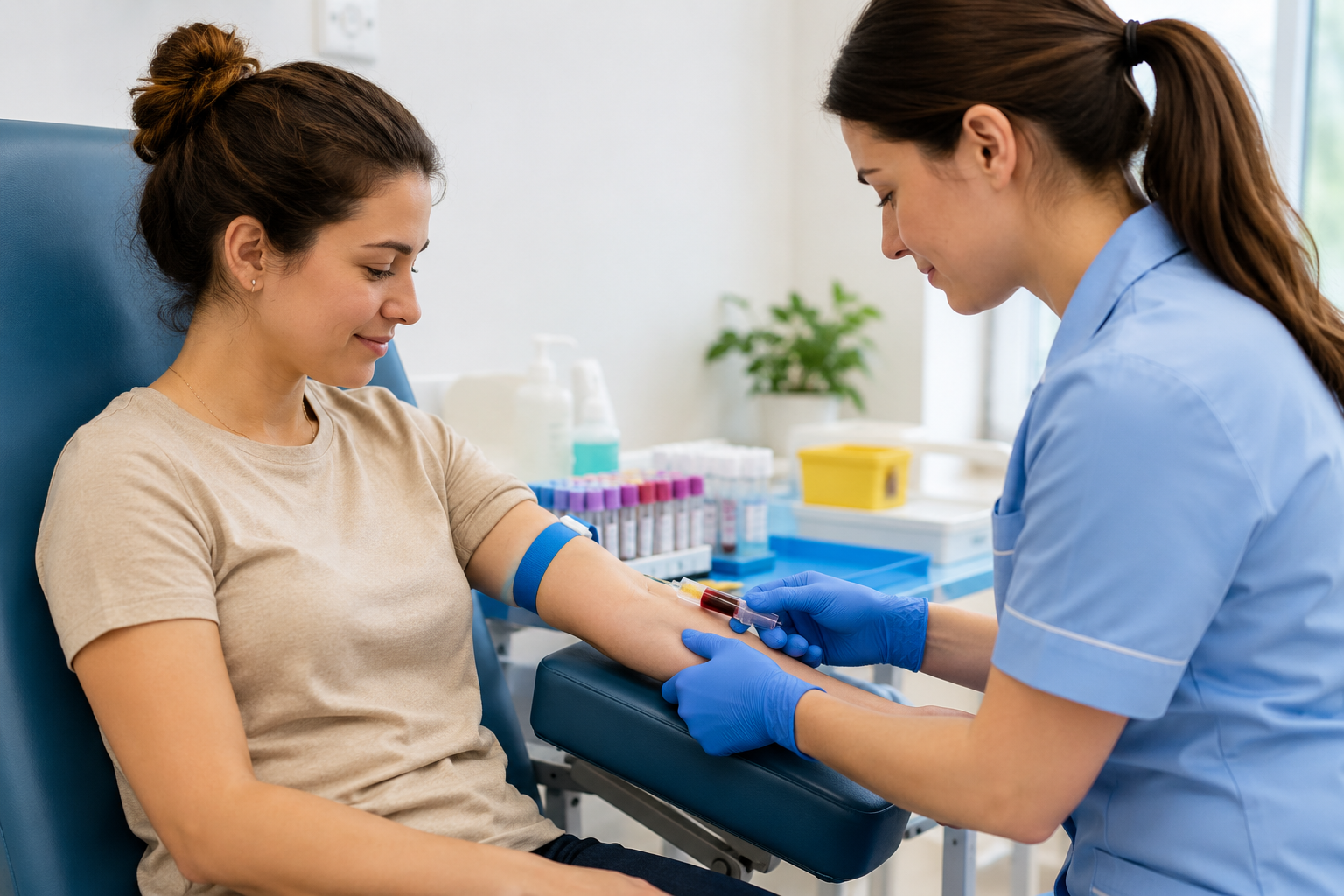
Healthcare is often associated with hospitals, surgeries, and treatments after illness appears. However, one of the most powerful ways to improve health and extend life is through preventive healthcare. Preventive healthcare focuses on stopping diseases before they develop or become severe. It includes regular checkups, healthy lifestyle choices, vaccinations, screenings, and early medical care that help people stay healthy for years.
Many serious health conditions such as heart disease, diabetes, cancer, and high blood pressure can be prevented or managed effectively when detected early. Preventive healthcare not only saves lives but also reduces emotional stress, financial burden, and long-term medical complications. In today’s fast-moving world, taking preventive steps is more important than ever.
What Is Preventive Healthcare?
Preventive healthcare refers to medical care and healthy habits that help prevent diseases rather than treating them after they occur. The main goal is to maintain good health and detect possible health problems early.
Preventive healthcare includes:
- Routine medical checkups
- Vaccinations
- Health screenings
- Dental and eye exams
- Healthy eating habits
- Regular exercise
- Stress management
- Avoiding smoking and excessive alcohol
- Monitoring blood pressure, cholesterol, and blood sugar
Instead of waiting for symptoms to appear, preventive healthcare encourages people to stay ahead of potential illnesses.
Why Preventive Healthcare Matters
Many diseases develop slowly and silently. People may feel healthy while harmful changes are happening inside the body. By the time symptoms appear, the condition may already be serious.
Preventive healthcare helps identify warning signs early. Early detection often means simpler treatment, faster recovery, and better outcomes.
For example:
- High blood pressure can be controlled before it damages the heart.
- Early-stage cancer can often be treated successfully.
- Diabetes can be managed before complications affect the kidneys or eyes.
- Regular dental care can prevent painful infections and tooth loss.
Preventive care improves both quality of life and life expectancy.
Early Detection Saves Lives
One of the greatest benefits of preventive healthcare is early detection. Many life-threatening diseases become more manageable when diagnosed early.
Cancer Screenings
Regular cancer screenings can identify cancer before symptoms develop. Early detection significantly increases survival rates.
Common screenings include:
- Mammograms for breast cancer
- Colonoscopies for colon cancer
- Pap tests for cervical cancer
- Skin examinations for skin cancer
When cancer is found early, treatment is usually less aggressive and more effective.
Heart Disease Prevention
Heart disease is one of the leading causes of death worldwide. Preventive healthcare helps reduce the risk through regular monitoring and lifestyle changes.
Doctors can check:
- Blood pressure
- Cholesterol levels
- Weight and body mass index
- Blood sugar levels
Simple lifestyle improvements such as healthy eating, exercise, and quitting smoking can greatly lower heart disease risk.
Diabetes Management
Type 2 diabetes often develops gradually. Preventive healthcare can identify prediabetes before it becomes a serious condition.
Early management may include:
- Weight control
- Better nutrition
- Increased physical activity
- Regular blood sugar monitoring
These changes can delay or even prevent diabetes entirely.
The Role of Vaccinations
Vaccinations are one of the most successful forms of preventive healthcare. They protect individuals and communities from dangerous infectious diseases.
Vaccines help prevent illnesses such as:
- Influenza
- Hepatitis
- Measles
- Polio
- COVID-19
- Pneumonia
Vaccinations save millions of lives every year by strengthening the immune system against harmful viruses and bacteria.
Children, adults, and older adults all benefit from staying up to date with recommended vaccines.
Healthy Lifestyle Habits as Prevention
Preventive healthcare is not only about visiting doctors. Daily habits also play a major role in long-term health.
Eating a Balanced Diet
Nutrition directly affects overall health. A healthy diet supports the immune system, maintains energy levels, and lowers the risk of chronic disease.
Healthy eating includes:
- Fruits and vegetables
- Whole grains
- Lean proteins
- Healthy fats
- Drinking enough water
Reducing processed foods, excess sugar, and unhealthy fats can improve heart health and maintain healthy body weight.
Regular Physical Activity
Exercise is essential for both physical and mental well-being. Regular movement strengthens the body and reduces disease risk.
Benefits of exercise include:
- Better heart health
- Improved circulation
- Weight management
- Stronger muscles and bones
- Reduced stress and anxiety
- Better sleep quality
Even simple activities like walking for 30 minutes daily can provide major health benefits.
Mental Health Prevention
Preventive healthcare also includes caring for mental health. Stress, anxiety, and depression can affect both emotional and physical well-being.
Healthy mental health habits include:
- Getting enough sleep
- Practicing relaxation techniques
- Staying socially connected
- Managing work-life balance
- Seeking support when needed
Early mental health care can prevent more serious emotional struggles later.
Regular Checkups Build Long-Term Health
Many people avoid doctor visits unless they feel sick. However, regular checkups are an important part of preventive healthcare.
Routine medical visits allow healthcare providers to:
- Monitor overall health
- Detect changes early
- Recommend healthy lifestyle improvements
- Update vaccinations
- Track family health risks
Annual health exams create a better understanding of personal health and help prevent future complications.
Preventive Healthcare Reduces Healthcare Costs
Medical treatment for advanced illnesses can be extremely expensive. Hospital stays, surgeries, medications, and emergency care often place heavy financial stress on families.
Preventive healthcare helps reduce costs by:
- Avoiding serious illness
- Reducing hospital admissions
- Lowering emergency medical visits
- Detecting conditions before expensive treatment is needed
Investing in prevention is often far less costly than treating advanced disease.
The Importance of Preventive Care for Children
Children benefit greatly from preventive healthcare because healthy habits developed early often continue into adulthood.
Preventive care for children includes:
- Vaccinations
- Growth monitoring
- Nutritional guidance
- Vision and hearing tests
- Dental care
- Physical activity encouragement
Early healthcare support helps children grow stronger and healthier while reducing future health risks.
Preventive Healthcare for Older Adults
As people age, preventive healthcare becomes even more important. Older adults may face increased risks of chronic diseases and weakened immune systems.
Important preventive measures for seniors include:
- Bone density testing
- Blood pressure monitoring
- Vision and hearing exams
- Fall prevention strategies
- Vaccinations
- Regular medication reviews
These steps help older adults maintain independence and improve quality of life.
Technology and Modern Preventive Healthcare
Technology has made preventive healthcare easier and more effective than ever before.
Modern tools include:
- Fitness trackers
- Health monitoring apps
- Telemedicine appointments
- Wearable heart monitors
- Digital medical records
These technologies help people track their health, monitor symptoms, and communicate with healthcare providers more efficiently.
Common Barriers to Preventive Healthcare
Despite its benefits, many people still neglect preventive healthcare due to:
- Busy schedules
- Fear of medical tests
- Lack of awareness
- Financial concerns
- Limited healthcare access
Improving public education and healthcare access can encourage more people to prioritize prevention.
Simple Ways to Practice Preventive Healthcare
Anyone can begin improving their health with small preventive steps.
Daily Prevention Tips
- Schedule annual health checkups
- Eat nutritious meals
- Exercise regularly
- Drink plenty of water
- Avoid smoking
- Limit alcohol intake
- Get enough sleep
- Manage stress effectively
- Stay updated on vaccinations
- Monitor blood pressure and blood sugar
Small daily habits can lead to major long-term health benefits.
Building a Healthier Future
Preventive healthcare creates healthier families, communities, and societies. When people focus on prevention, healthcare systems become less overwhelmed, medical costs decrease, and quality of life improves.
Education and awareness are essential in helping people understand the importance of early care. Governments, healthcare providers, schools, and families all play a role in promoting healthier lifestyles and regular medical care.
The future of healthcare depends not only on treating disease but also on preventing it.
Conclusion
Preventive healthcare saves lives by identifying health problems early, reducing disease risk, and encouraging healthier lifestyles. Through regular checkups, screenings, vaccinations, proper nutrition, exercise, and mental health care, people can protect themselves from many serious illnesses.
Prevention is one of the most effective ways to improve both lifespan and quality of life. Instead of waiting for illness to appear, taking action today can create a healthier tomorrow. Even small healthy choices made consistently can lead to lifelong benefits.
Investing in preventive healthcare is an investment in a safer, stronger, and healthier future for everyone.