Introduction
Teeth grinding is a common dental problem that affects millions of people in the United States and around the world. Many individuals grind or clench their teeth during sleep without even realizing it. Over time, this habit may damage tooth enamel, create jaw pain, and increase dental sensitivity. This condition is commonly known as bruxism.
When teeth become worn down because of grinding, many people search for grinded teeth repair solutions to restore their smile and protect their oral health. Fortunately, modern dentistry offers several treatment options that may help repair damaged teeth and prevent further problems.
In this article, we will explain the causes of teeth grinding, common symptoms, treatment options, and helpful recovery tips for long-term dental wellness.
What Causes Teeth Grinding?
Teeth grinding can happen for many different reasons. Some people grind their teeth occasionally, while others experience chronic bruxism that slowly damages the teeth over time.
Common causes include:
- Stress and anxiety
- Poor sleep habits
- Sleep disorders
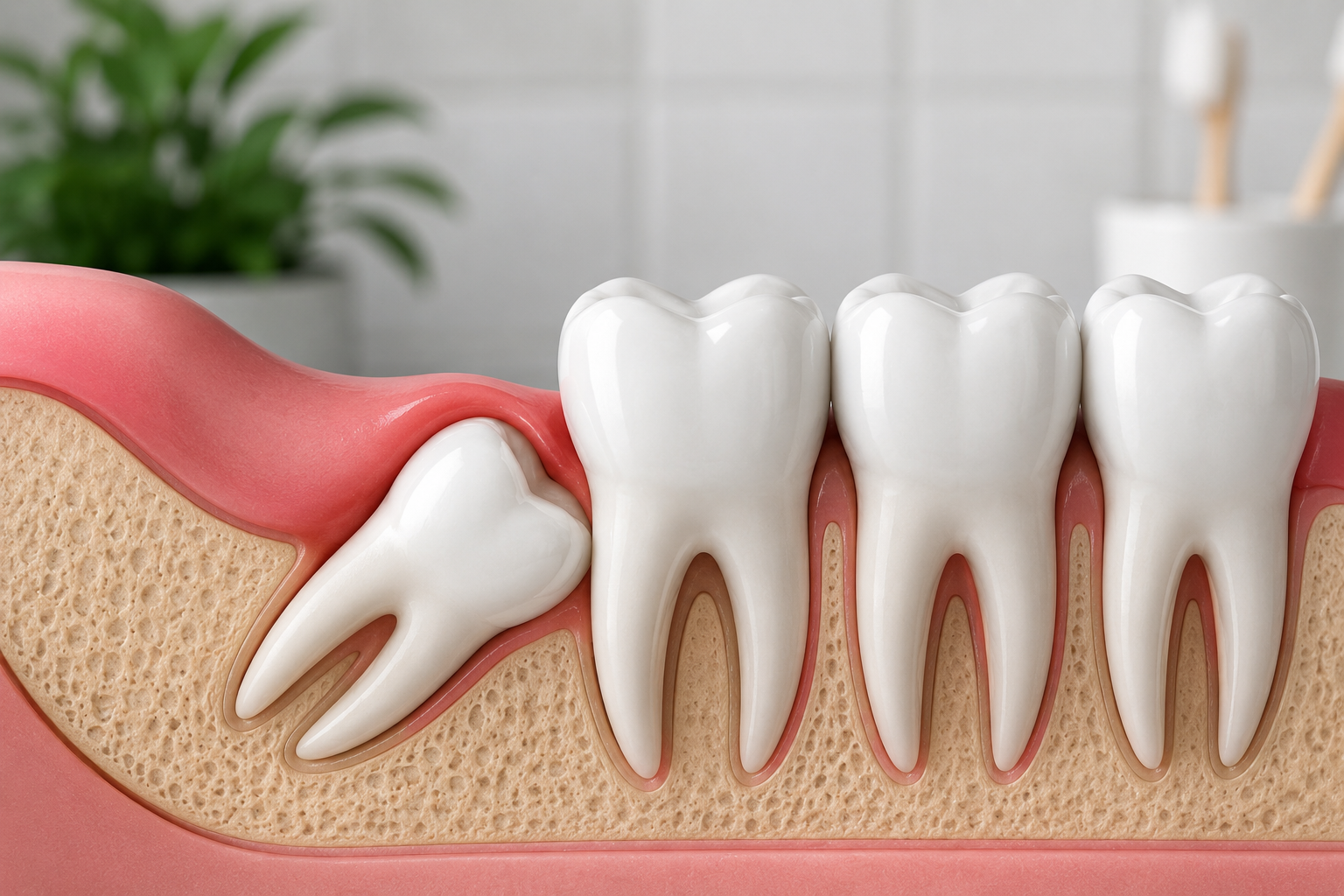
- Jaw alignment problems
- Excessive caffeine intake
- Smoking and alcohol use
In many cases, people grind their teeth during sleep without noticing the problem until dental damage appears.
Signs of Teeth Grinding
Many symptoms may indicate teeth grinding or clenching problems.
Common signs include:
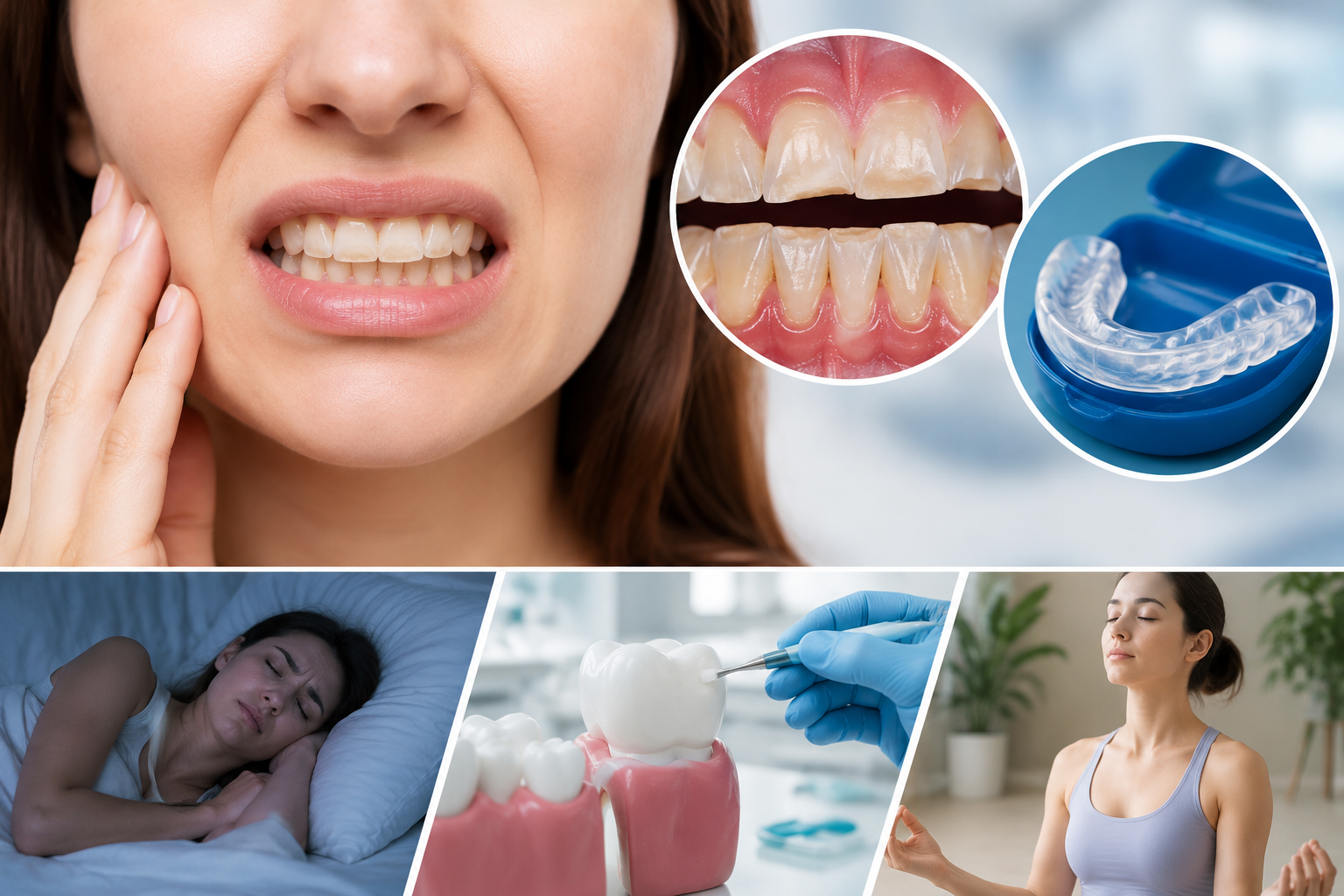
- Worn or flattened teeth
- Tooth sensitivity
- Jaw pain
- Headaches
- Facial discomfort
- Cracked teeth
- Difficulty chewing
Some people also hear grinding noises during sleep, especially if the condition becomes severe.
Early dental treatment may help prevent more serious oral health complications.
Why Grinded Teeth Repair Is Important
Ignoring worn or damaged teeth may lead to:
- Increased tooth sensitivity
- Tooth fractures
- Gum problems
- Difficulty eating
- Changes in bite alignment
Repairing damaged teeth not only improves appearance but also protects long-term oral function and overall dental health.
Healthy teeth are important for speaking, chewing, and maintaining confidence.
Common Grinded Teeth Repair Treatments
Dentists may recommend different treatments depending on the level of tooth damage.
Dental Bonding
Dental bonding uses tooth-colored resin to repair small chips and worn areas. It is often used for mild grinding damage.
Dental Crowns
Crowns may help restore severely worn or weakened teeth. Ceramic crowns are especially popular because they look natural.
Veneers
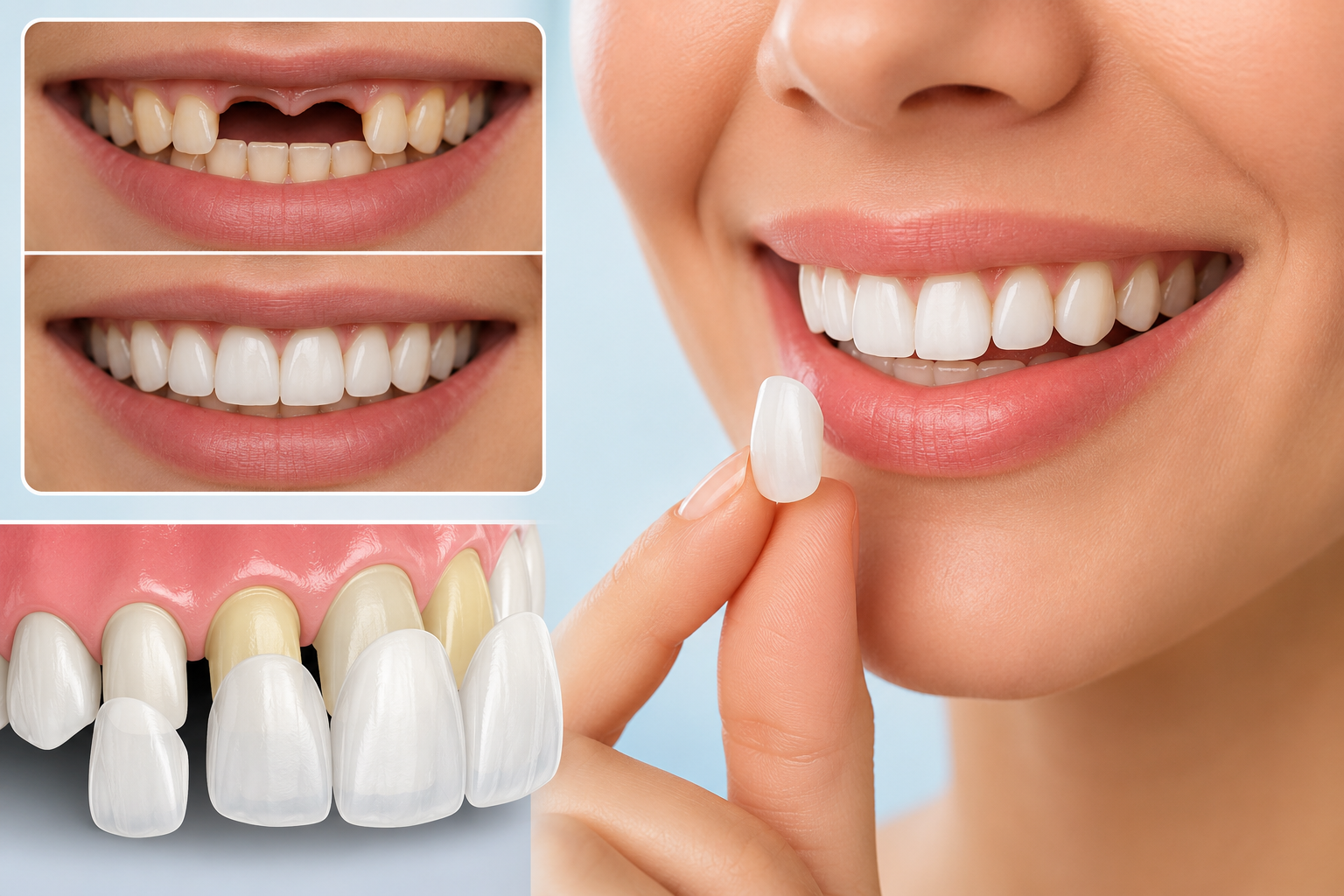
Porcelain veneers are thin coverings placed over the front surface of teeth to improve appearance and restore damaged enamel.
Orthodontic Treatment
Some grinding problems are connected to bite alignment issues. Braces or aligners may help improve tooth positioning.
Night Guards
Custom night guards help protect teeth from grinding during sleep. They are one of the most common bruxism treatments.
How Dentists Diagnose Teeth Grinding
Dentists usually identify bruxism during routine dental exams.
A dentist may check for:
- Tooth wear patterns
- Jaw tenderness
- Enamel damage
- Cracks or fractures
In some cases, sleep evaluations may also be recommended if grinding happens frequently during the night.
Regular dental checkups are important for early detection and treatment.
Can Grinded Teeth Be Fully Repaired?
Mild to moderate grinding damage can often be repaired successfully with modern dental treatments. Severe cases may require multiple procedures to restore proper function and appearance.
The success of treatment depends on:
- Severity of damage
- Early diagnosis
- Ongoing dental care
- Controlling the grinding habit
Protecting teeth after treatment is important to prevent future damage.
How to Prevent Further Teeth Grinding
Preventive habits can help reduce grinding and protect repaired teeth.
Helpful prevention tips include:
- Managing stress naturally
- Avoiding excessive caffeine
- Improving sleep quality
- Wearing a night guard
- Visiting the dentist regularly
Relaxation techniques such as meditation and deep breathing may also help reduce nighttime grinding caused by stress.
If you want more oral health advice, you can also read our article on Best Daily Habits for Healthy Teeth
Foods to Avoid After Dental Repair
After grinded teeth repair treatment, dentists may recommend avoiding:
- Hard candy
- Ice chewing
- Very sticky foods
- Hard nuts
- Extremely crunchy snacks
Soft foods are often better during early recovery after dental procedures.
Following aftercare instructions carefully helps improve healing and treatment success.
Mental Stress and Teeth Grinding
Stress and anxiety are major causes of bruxism in many adults. Busy lifestyles, work pressure, and poor sleep may increase jaw clenching during sleep.
Protecting mental wellness may help reduce grinding naturally.
Healthy stress management habits include:
- Regular exercise
- Meditation
- Better sleep routines
- Relaxation techniques
Physical and mental wellness are closely connected to oral health.
FAQ Section
What is grinded teeth repair?
Grinded teeth repair refers to dental treatments used to restore teeth damaged by grinding or clenching.
What causes teeth grinding?
Common causes include stress, sleep disorders, anxiety, and jaw alignment problems.
Can damaged teeth from grinding be repaired?
Yes, many dental treatments such as bonding, crowns, veneers, and night guards may help repair grinding damage.
What is the best treatment for teeth grinding?
Treatment depends on the severity of damage, but night guards are commonly recommended for protection.
Can stress cause teeth grinding?
Yes, stress and anxiety are major causes of bruxism in many people.
Conclusion
Grinded teeth repair is important for protecting oral health, improving comfort, and restoring smile appearance. Teeth grinding may slowly damage enamel and create long-term dental problems if left untreated.
Fortunately, modern dental treatments such as crowns, veneers, bonding, and night guards can help repair damaged teeth and prevent future issues. Maintaining healthy habits, reducing stress, and visiting the dentist regularly may support better long-term dental wellness naturally.