Introduction
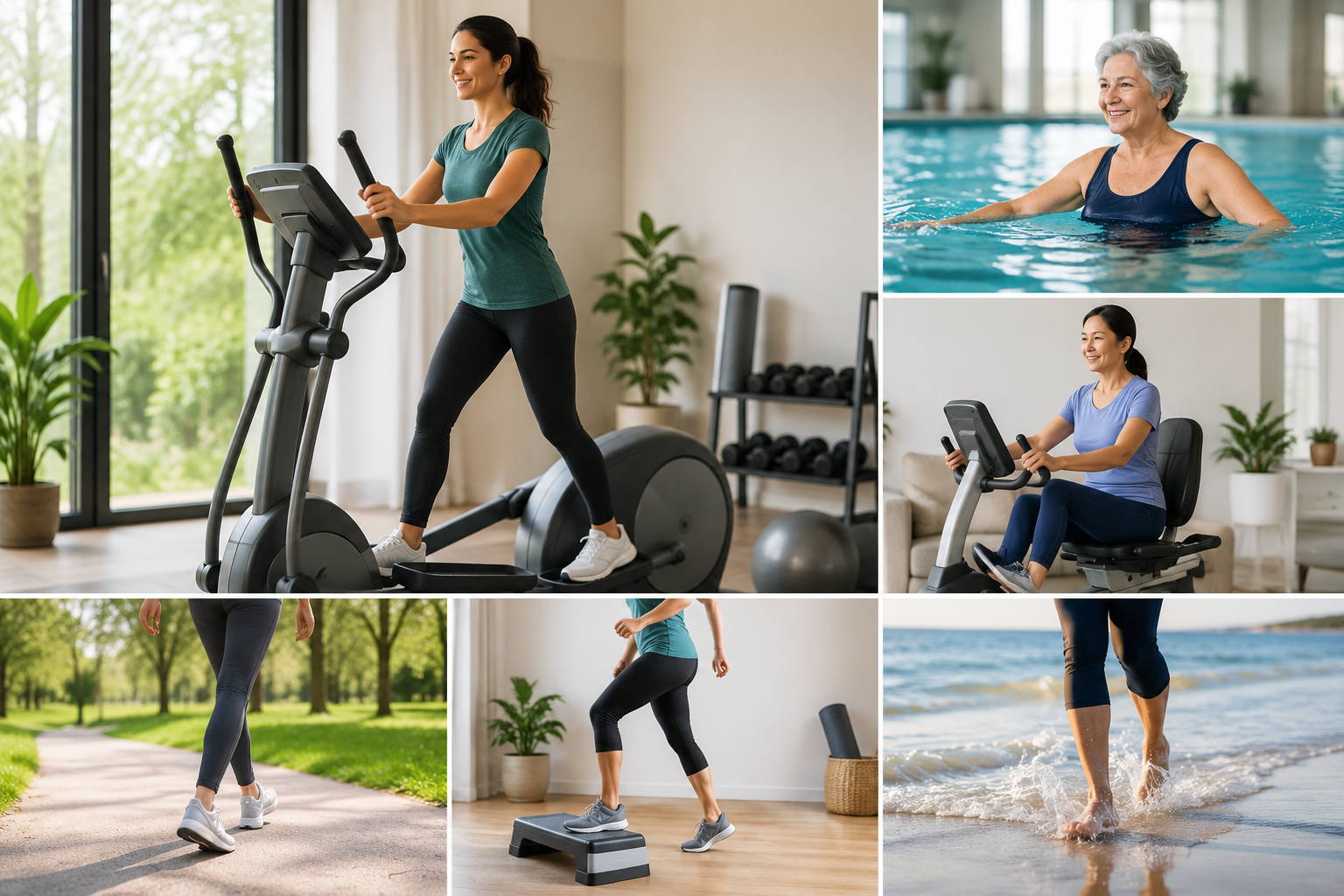
Cardio exercise is one of the most common recommendations for staying active, improving fitness, and supporting long-term wellness. But for people with sensitive knees, many traditional workouts can feel uncomfortable or difficult to maintain.
That often creates frustration. Some people stop exercising completely because they think cardio always means jumping, running, or intense movement.
The reality is different.
Many forms of cardio place less impact on the knees while still helping people stay active and build consistent habits. The goal is not to avoid movement—it is to choose movement that feels more manageable and sustainable.
This guide explores lower-impact cardio ideas that people commonly include in fitness routines when they want a gentler approach.
Why Knee-Friendly Cardio Matters
Cardio supports more than one fitness goal.
People often include cardio to support:
- Daily movement
- General fitness
- Energy levels
- Long-term consistency
- Active lifestyles
But when workouts feel too aggressive, consistency becomes difficult.
That is why exercise selection matters.
Walking at a Comfortable Pace
Walking remains one of the simplest forms of cardio.
Many people overlook walking because it feels too basic, but consistent walking can become an important part of a fitness routine.
Ideas:
- Flat walking routes
- Comfortable pace
- Short sessions that gradually increase
Walking allows flexibility and is easier to adjust.
Stationary Cycling
Cycling is often included in lower-impact cardio routines.
Why people choose it:
- Controlled movement
- Adjustable intensity
- Indoor convenience
Start gradually instead of pushing intensity too quickly.
Swimming and Water Movement
Water-based exercise feels different from land workouts.
Many people enjoy it because:
- Water supports movement
- Lower impact feel
- Comfortable pace options
Swimming and water activity can also add variety.
Elliptical Training
Elliptical machines are commonly used as an alternative to higher-impact cardio.
Benefits people often mention:
- Continuous movement
- Adjustable resistance
- Smooth exercise pattern
Focus on comfort rather than speed.
Seated Cardio Options
Some people prefer seated routines.
Examples include:
- Seated movement sessions
- Stationary equipment
- Controlled upper and lower body activity
This can help people maintain consistency.
Low-Impact Dance Movement
Dance-style cardio does not always require jumping.
Simple movement sessions may include:
- Rhythm-based movement
- Controlled steps
- Moderate pace
Choose routines that feel manageable.
Build Cardio Gradually
One of the biggest mistakes is increasing intensity too quickly.
Try this approach:
Week 1: 20 minutes
Week 2: 25 minutes
Week 3: 30 minutes
Progress slowly.
Warm-Up Matters More Than Many People Think
Starting exercise suddenly may feel uncomfortable.
Simple warm-up ideas:
- Gentle walking
- Controlled leg movement
- Easy mobility exercises
Preparation supports better movement.
Strength Work Can Support Cardio Routines
Cardio is not the only activity that matters.
Balanced routines may include:
- Leg exercises
- Core movement
- Stretching
- Recovery days
Movement variety supports consistency.
You can also read:
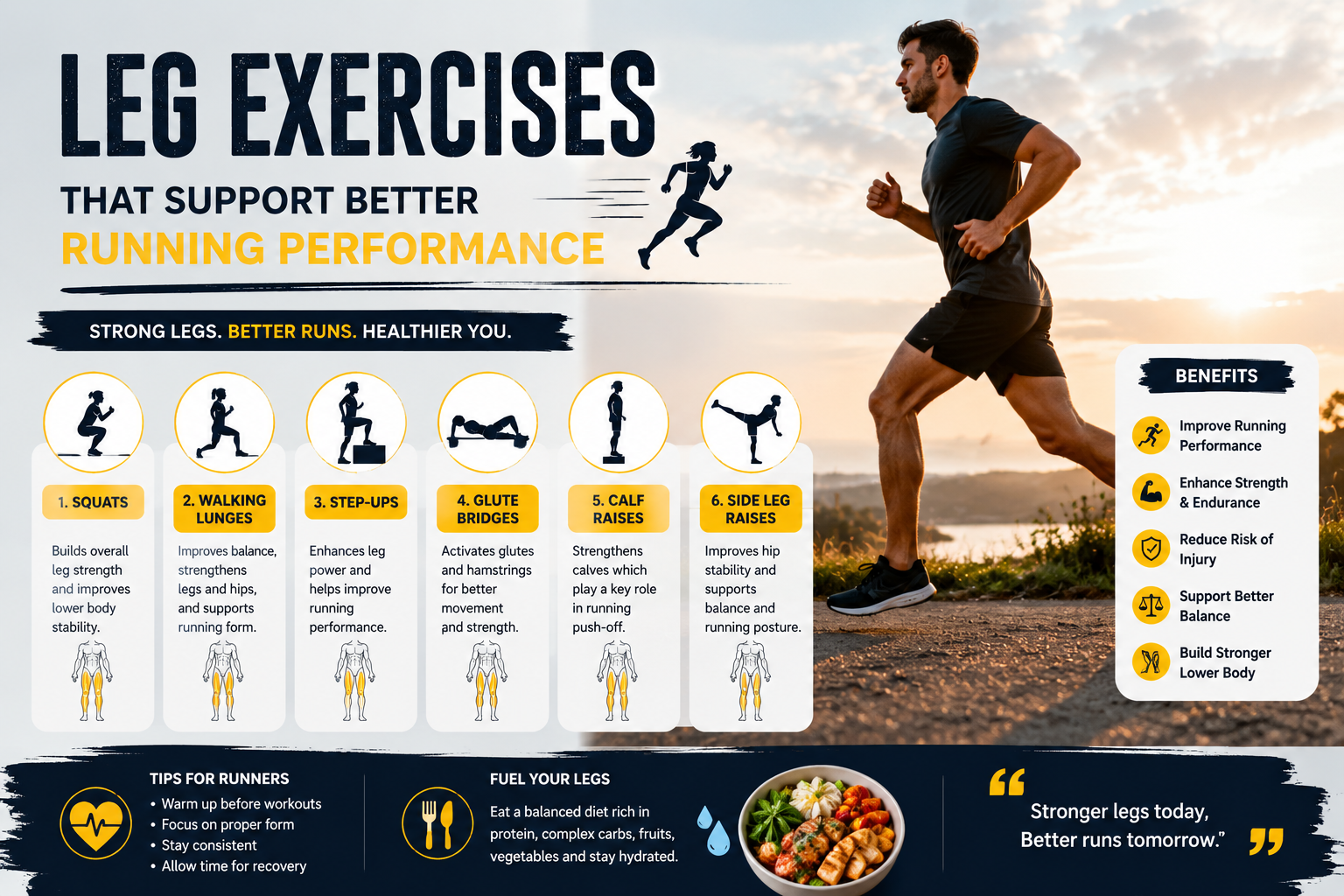
https://wellhealthcare.net/leg-exercises-that-support-better-running-performance/
Recovery Is Part of Fitness
Many people underestimate recovery.
Helpful recovery habits:
- Hydration
- Sleep
- Rest days
- Comfortable pacing
Exercise works best when recovery exists.
Common Mistakes to Avoid
Try to avoid:
- Exercising through discomfort
- Copying advanced routines
- Skipping warm-up
- Doing too much too early
Small progress often becomes long-term progress.
Sample Weekly Routine
Monday
Comfortable walking
Tuesday
Recovery
Wednesday
Cycling
Thursday
Mobility
Friday
Swimming
Saturday
Light activity
Sunday
Recovery
Keep routines flexible.
Long-Term Fitness Is About Sustainability
Many people search for the perfect workout.
Instead, focus on:
- Enjoyable movement
- Realistic expectations
- Consistency
Simple routines often last longer.
Final Thoughts
Cardio exercises that feel easier on sensitive knees do not need to feel limiting. Walking, cycling, swimming, elliptical training, and controlled movement sessions can help people stay active while building sustainable habits.
Fitness works best when routines feel practical enough to continue.