Introduction
A fit legs workout is one of the most effective ways to improve overall fitness, mobility, and physical performance. Strong legs support everyday activities such as walking, climbing stairs, running, and maintaining balance. Whether your goal is to build strength, increase endurance, or develop leaner-looking legs, a well-structured workout routine can help you make consistent progress.
Many people focus heavily on upper-body exercises while neglecting lower-body training. However, the muscles in the legs are among the largest in the body and play a major role in movement and athletic performance. By including a variety of leg exercises in your fitness routine, you can create a stronger foundation for overall health and fitness.
Why a Fit Legs Workout Matters
Training your legs regularly provides benefits beyond appearance.
A good leg workout may help support:
- Better balance and coordination
- Improved lower-body strength
- Greater stability during daily activities
- Enhanced athletic performance
- Increased exercise consistency
Strong legs can also make other forms of exercise feel easier and more effective.
Begin With a Proper Warm-Up
Before starting any fit legs workout, warming up is important.
Simple warm-up ideas include:
- Five minutes of brisk walking
- Light cycling
- Leg swings
- Bodyweight squats
- Dynamic stretching
A warm-up prepares the body for movement and may help improve workout performance.
Squats: A Foundation Exercise
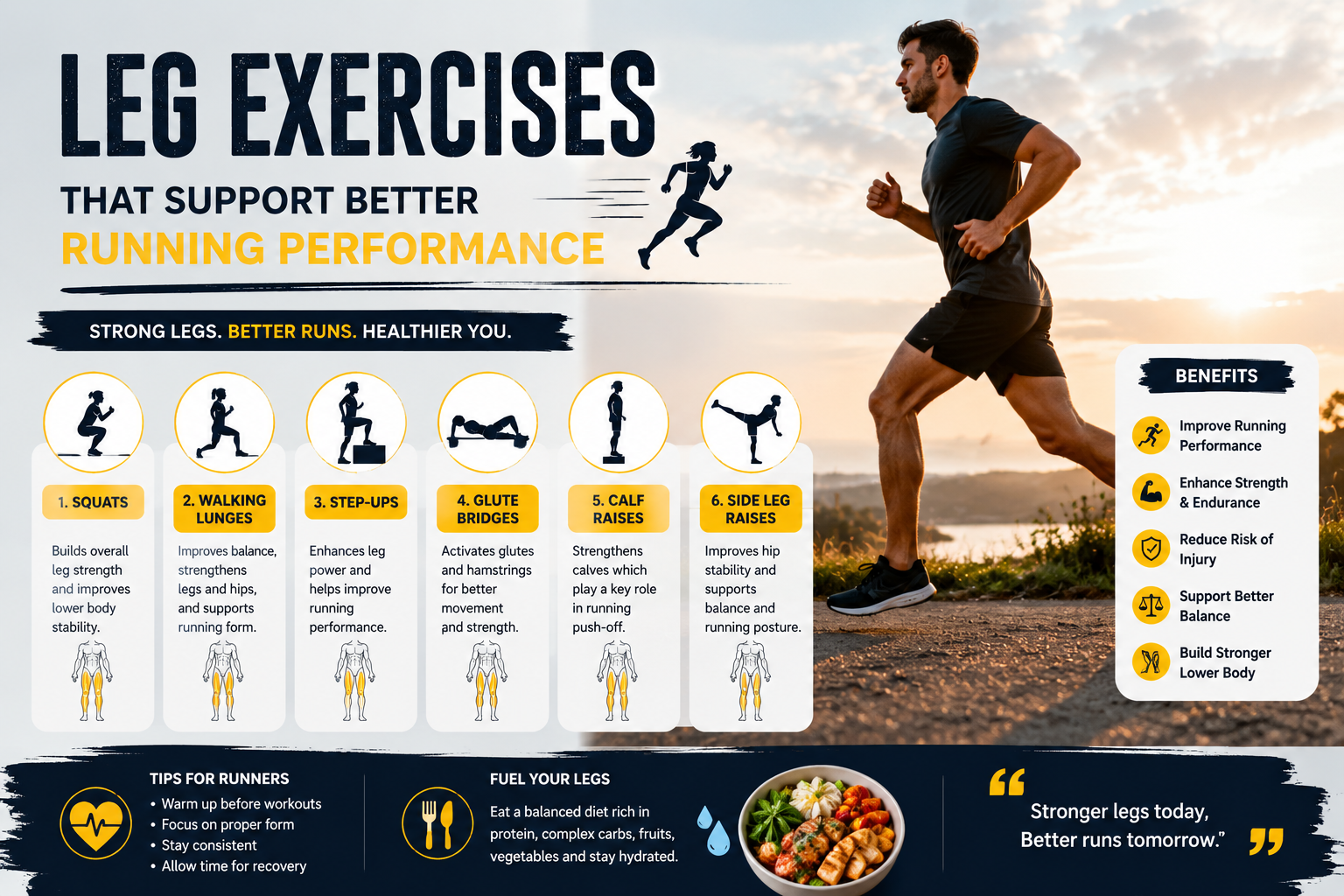
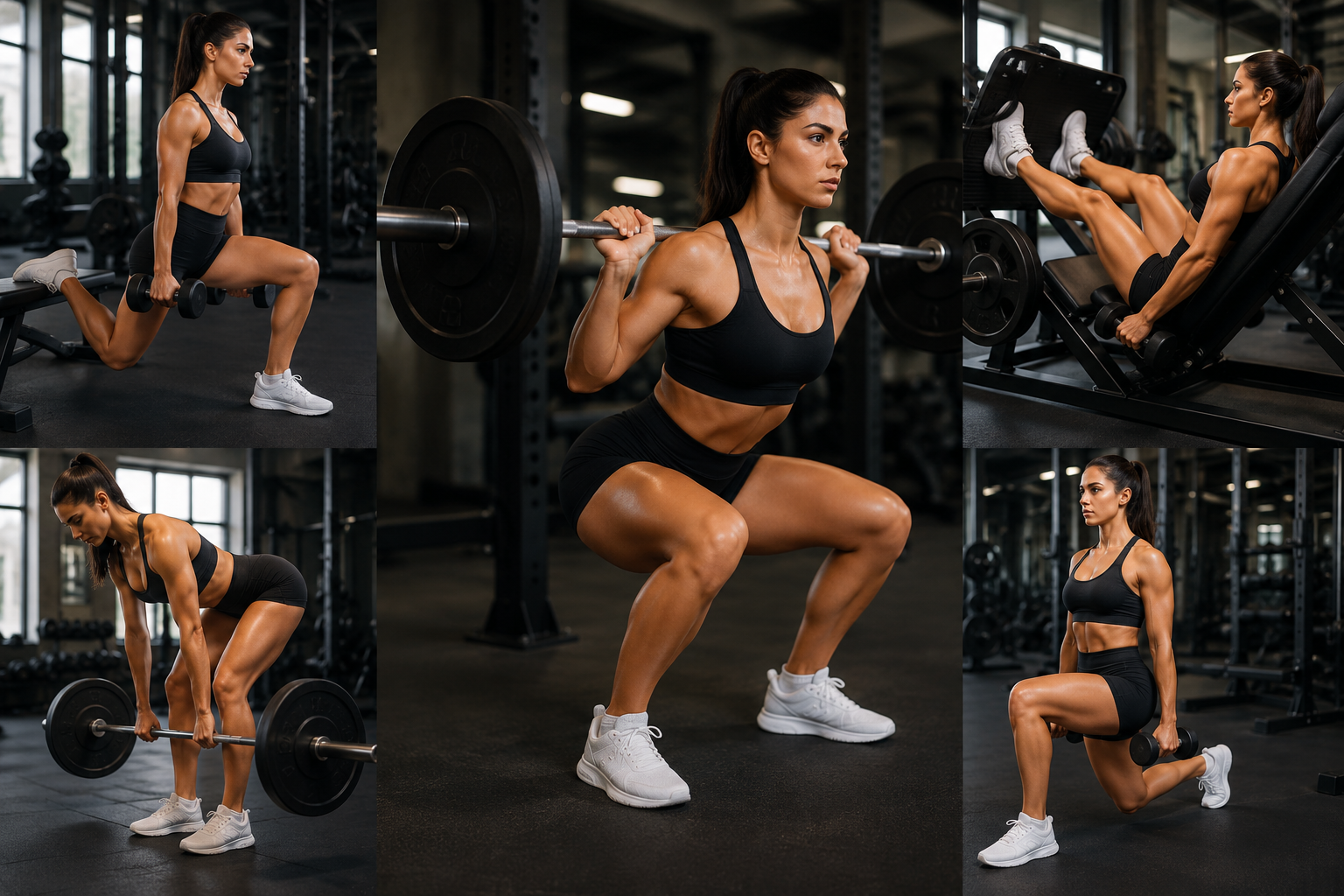
Squats are one of the most popular leg exercises because they target multiple muscle groups at the same time.
Benefits of Squats
- Engage the thighs and glutes
- Improve lower-body strength
- Require little or no equipment
- Suitable for many fitness levels
Beginners can start with bodyweight squats before adding resistance.
Lunges for Balance and Strength
Lunges challenge both strength and stability.
Popular variations include:
- Forward lunges
- Reverse lunges
- Walking lunges
- Side lunges
Perform each repetition with control rather than rushing through the movement.
Step-Ups for Functional Fitness
Step-ups mimic everyday movements such as climbing stairs.
To perform a step-up:
- Stand in front of a sturdy platform.
- Step up with one foot.
- Bring the other foot up.
- Step back down slowly.
- Repeat on both sides.
This exercise is commonly used in lower-body training programs.
Glute Bridges
Glute bridges are excellent for activating the posterior chain.
Why Include Glute Bridges?
- Easy for beginners
- Home workout friendly
- Support lower-body development
- Require minimal equipment
Focus on controlled movement and proper form.
Calf Raises
The calf muscles contribute to walking, running, and overall lower-body movement.
A simple calf raise can be performed almost anywhere:
- Stand tall.
- Lift your heels.
- Pause briefly.
- Lower slowly.
Perform multiple repetitions for a challenging workout.
Resistance Band Exercises
Resistance bands add variety to a fit legs workout without requiring heavy equipment.
Common exercises include:
- Band walks
- Squats with bands
- Glute activation drills
Bands are portable and suitable for home workouts.
Sample Fit Legs Workout Routine
Warm-Up
5 minutes of light cardio
Main Workout
- Squats – 3 sets of 12 repetitions
- Walking Lunges – 3 sets of 10 repetitions per leg
- Step-Ups – 3 sets of 12 repetitions
- Glute Bridges – 3 sets of 15 repetitions
- Calf Raises – 3 sets of 20 repetitions
Cool Down
- Gentle stretching
- Light walking
This routine can be adjusted based on individual fitness levels.
Common Mistakes to Avoid
Skipping Leg Day
Neglecting lower-body training can create imbalances.
Poor Form
Proper technique is more important than lifting heavier weights.
Ignoring Recovery
Rest days support long-term progress.
Doing Too Much Too Soon
Gradual progression often produces better results than sudden increases in intensity.
Recovery and Nutrition
A fit legs workout works best when paired with healthy lifestyle habits.
Helpful practices include:
- Staying hydrated
- Getting enough sleep
- Eating balanced meals
- Allowing adequate recovery time
Recovery is an essential part of any fitness routine.
How Often Should You Train Legs?
Many fitness enthusiasts train legs one to three times per week depending on their goals and overall workout schedule.
Consistency matters more than perfection. A realistic plan that you can maintain long term often produces the best results.
Final Thoughts
A fit legs workout can help improve strength, balance, endurance, and overall fitness. Exercises such as squats, lunges, step-ups, glute bridges, and calf raises provide an effective foundation for lower-body training.
The key to success is consistency. Focus on proper form, gradual progression, and sustainable habits. Over time, these simple exercises can help build stronger and leaner legs while supporting overall health and fitness.