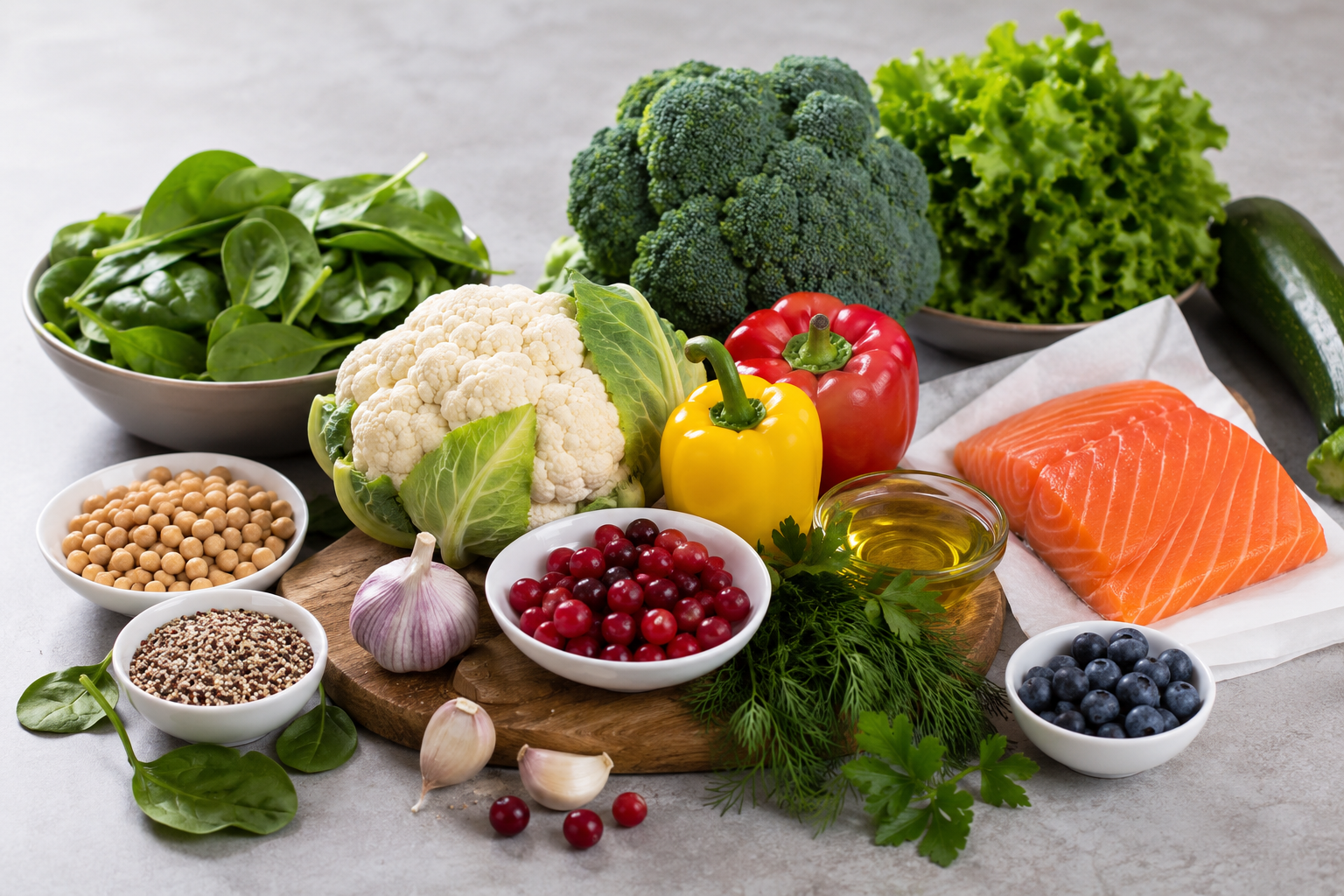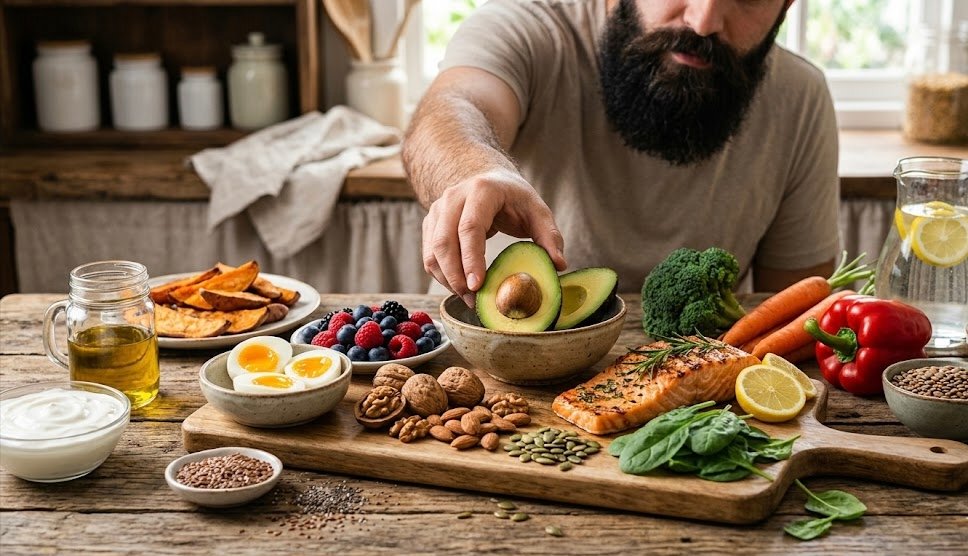
Good nutrition is the foundation of a healthy life. The food you eat every day directly affects your energy levels, immunity, mental clarity, weight, and long-term health. Choosing the right foods is not about strict dieting or restrictions—it’s about building balanced habits that support your body naturally.
In this article, we’ll explore the best healthy foods for daily nutrition and how they contribute to overall well-being.
1. Fruits: Nature’s Natural Multivitamin
Fruits are one of the easiest and most delicious ways to get essential vitamins, minerals, and antioxidants. They are naturally sweet, hydrating, and packed with fiber.
Some of the best fruits for daily nutrition include:
- Apples (good for digestion and heart health)
- Bananas (rich in potassium for energy and muscle function)
- Oranges (high in vitamin C for immunity)
- Berries (blueberries, strawberries, rich in antioxidants)
- Papaya (supports digestion and skin health)
Fruits help reduce inflammation, improve digestion, and protect your body from chronic diseases. Eating 2–3 servings daily is a simple way to boost nutrition.
2. Vegetables: The Powerhouse of Nutrients
Vegetables are essential for every healthy diet. They are low in calories but rich in vitamins, minerals, fiber, and plant compounds that protect the body.
Top vegetables to include daily:
- Spinach and kale (rich in iron, calcium, and vitamin K)
- Broccoli (supports detoxification and immunity)
- Carrots (good for eyesight and skin)
- Tomatoes (rich in antioxidants like lycopene)
- Cucumbers (hydrating and good for digestion)
Eating a variety of colorful vegetables ensures you get a wide range of nutrients that support heart health, brain function, and immunity.
3. Whole Grains: Long-Lasting Energy Source
Whole grains are an important part of daily nutrition because they provide steady energy throughout the day. Unlike refined grains, whole grains contain fiber and nutrients that help maintain stable blood sugar levels.
Healthy whole grains include:
- Brown rice
- Oats
- Quinoa
- Whole wheat bread
- Barley
These foods improve digestion, keep you full longer, and reduce the risk of heart disease and type 2 diabetes. A balanced meal should always include a portion of whole grains.
4. Protein Foods: Building and Repairing the Body
Protein is essential for muscle growth, tissue repair, and overall body maintenance. It also keeps you full and supports metabolism.
Best healthy protein sources:
- Eggs (rich in high-quality protein and healthy fats)
- Chicken breast (lean and nutritious)
- Fish like salmon and sardines (high in omega-3 fatty acids)
- Lentils and beans (plant-based protein and fiber)
- Yogurt and milk (good for bones and digestion)
Including protein in every meal helps maintain muscle strength, improves recovery, and stabilizes energy levels.
5. Healthy Fats: Essential for Brain and Heart Health
Not all fats are bad. Healthy fats are vital for brain function, hormone production, and heart health.
Best sources of healthy fats include:
- Avocados
- Nuts (almonds, walnuts, cashews)
- Seeds (chia seeds, flaxseeds, sunflower seeds)
- Olive oil
- Fatty fish like salmon
These fats reduce inflammation, improve cholesterol levels, and support cognitive function. Adding small portions daily can significantly improve overall health.
6. Dairy or Alternatives: Strong Bones and Teeth
Dairy products provide calcium, protein, and vitamin D, which are essential for strong bones and teeth.
Healthy options include:
- Milk
- Yogurt
- Cheese (in moderation)
- Fortified plant-based milk (almond, soy, oat milk)
Yogurt is especially beneficial because it contains probiotics that support gut health and digestion. If you are lactose intolerant, plant-based alternatives are excellent substitutes.
7. Nuts and Seeds: Small but Powerful Nutrition
Nuts and seeds are nutrient-dense foods that provide healthy fats, protein, fiber, and important minerals like magnesium and zinc.
Best choices include:
- Almonds (good for brain and skin)
- Walnuts (rich in omega-3 fatty acids)
- Chia seeds (high in fiber and antioxidants)
- Flaxseeds (support heart health and digestion)
- Pumpkin seeds (boost immunity and energy)
Even a small handful per day can improve heart health and keep you energized.
8. Legumes: Plant-Based Nutrition Power
Legumes such as lentils, chickpeas, and beans are excellent sources of plant protein and fiber. They are especially important for vegetarian and vegan diets.
Benefits include:
- Improved digestion
- Better blood sugar control
- Long-lasting energy
- Heart health support
They are also very affordable and easy to add to soups, salads, and curries.
9. Water-Rich Foods: Hydration from Within
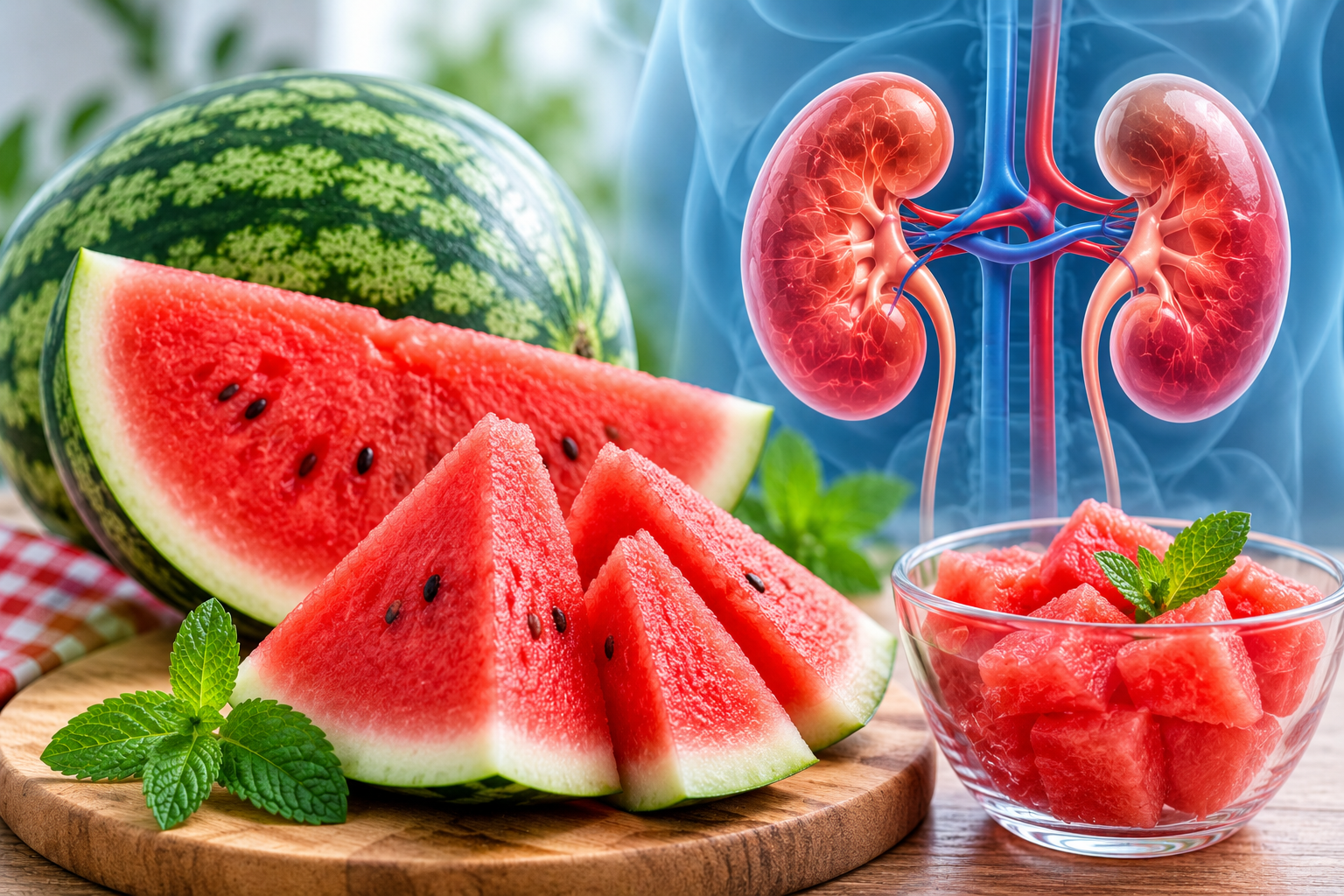
Hydration is often overlooked in nutrition. Many fruits and vegetables contain high water content and help keep the body hydrated.
Examples include:
- Watermelon
- Cucumber
- Oranges
- Celery
- Strawberries
Proper hydration improves skin health, digestion, and energy levels. Along with drinking water, these foods help maintain fluid balance in the body.
10. Green Tea and Herbal Drinks
Healthy beverages also play an important role in daily nutrition. Green tea and herbal teas are rich in antioxidants and support metabolism.
Benefits include:
- Improved brain function
- Better fat metabolism
- Reduced inflammation
- Relaxation and stress reduction
Drinking 1–2 cups a day can support overall wellness when combined with a healthy diet.
Conclusion
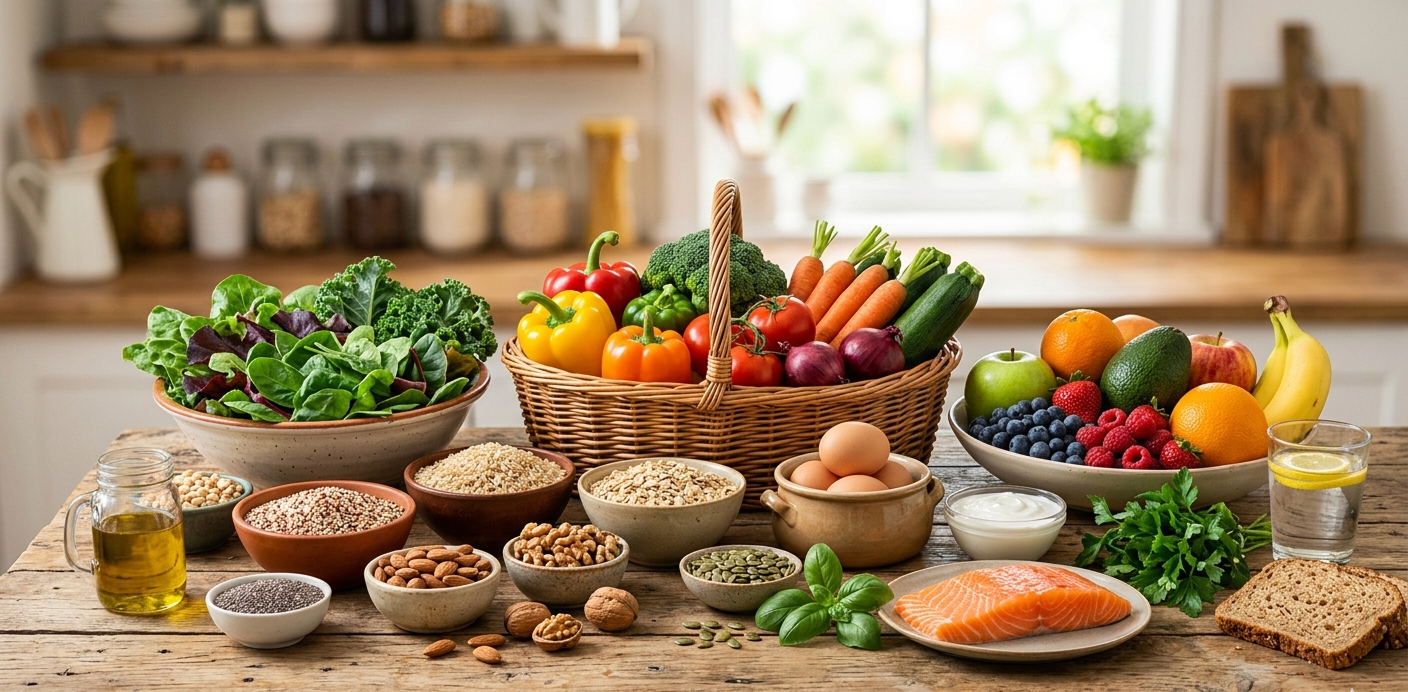
Healthy daily nutrition is not about complicated diets or expensive foods. It is about balance, variety, and consistency. Including fruits, vegetables, whole grains, proteins, healthy fats, and hydration in your daily meals can transform your health over time.
The key is simple: eat natural, whole foods as much as possible and reduce processed and sugary items. Small daily choices lead to long-term health benefits.
When you nourish your body properly, you feel more energetic, focused, and stronger—ready to handle life with better health and confidence.