Good oral health is about much more than having a bright smile. Healthy teeth and gums help you eat comfortably, speak clearly, and protect your overall health. Poor oral hygiene can lead to cavities, gum disease, bad breath, and even serious health problems linked to infections and inflammation. The good news is that improving oral health naturally is possible with simple daily habits, a balanced diet, and proper care routines.
In today’s fast-paced lifestyle, many people rely heavily on sugary foods, soft drinks, and processed snacks that damage teeth over time. At the same time, skipping basic oral care habits can make dental issues worse. By focusing on natural methods, you can strengthen your teeth, maintain healthy gums, and reduce the risk of dental problems without relying only on chemical-based products.
Why Natural Oral Health Matters
Your mouth contains millions of bacteria. Some are beneficial, while others can cause plaque buildup and tooth decay. Natural oral care focuses on maintaining a healthy balance of bacteria while supporting the body’s ability to protect and repair itself.
Healthy oral habits can help:
- Prevent cavities
- Reduce gum inflammation
- Eliminate bad breath
- Strengthen tooth enamel
- Improve overall wellness
- Lower the risk of infections
Natural oral health methods work best when combined with regular dental checkups and consistent hygiene routines.
Brush Your Teeth Properly
Brushing is the foundation of oral health. However, many people brush too quickly or use improper techniques.
Dentists recommend brushing at least twice a day for two minutes each time. Use a soft-bristled toothbrush because hard bristles can damage enamel and irritate gums.
When brushing:
- Hold the toothbrush at a 45-degree angle
- Use gentle circular motions
- Clean all tooth surfaces
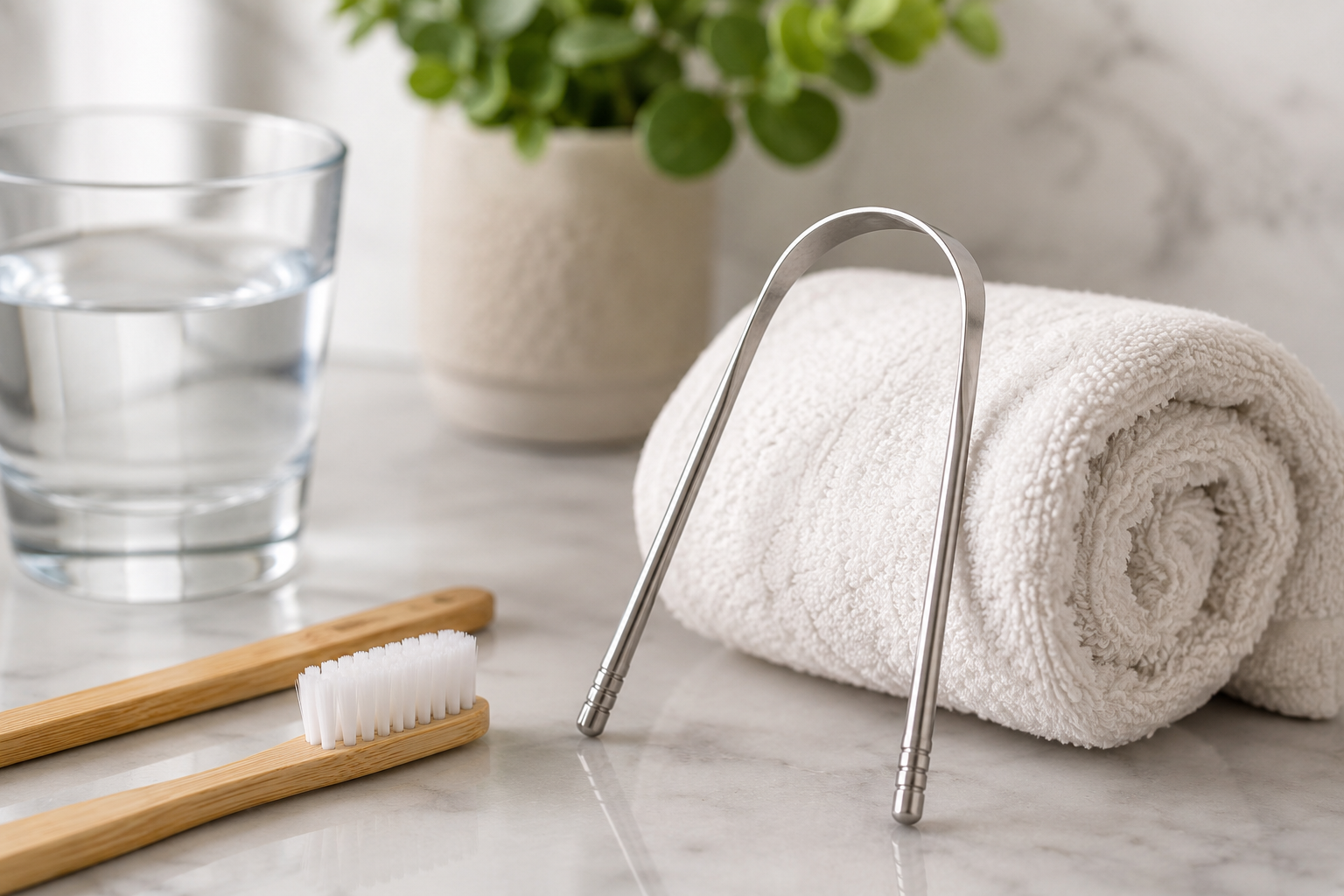
- Brush your tongue to remove bacteria
- Replace your toothbrush every 3 months
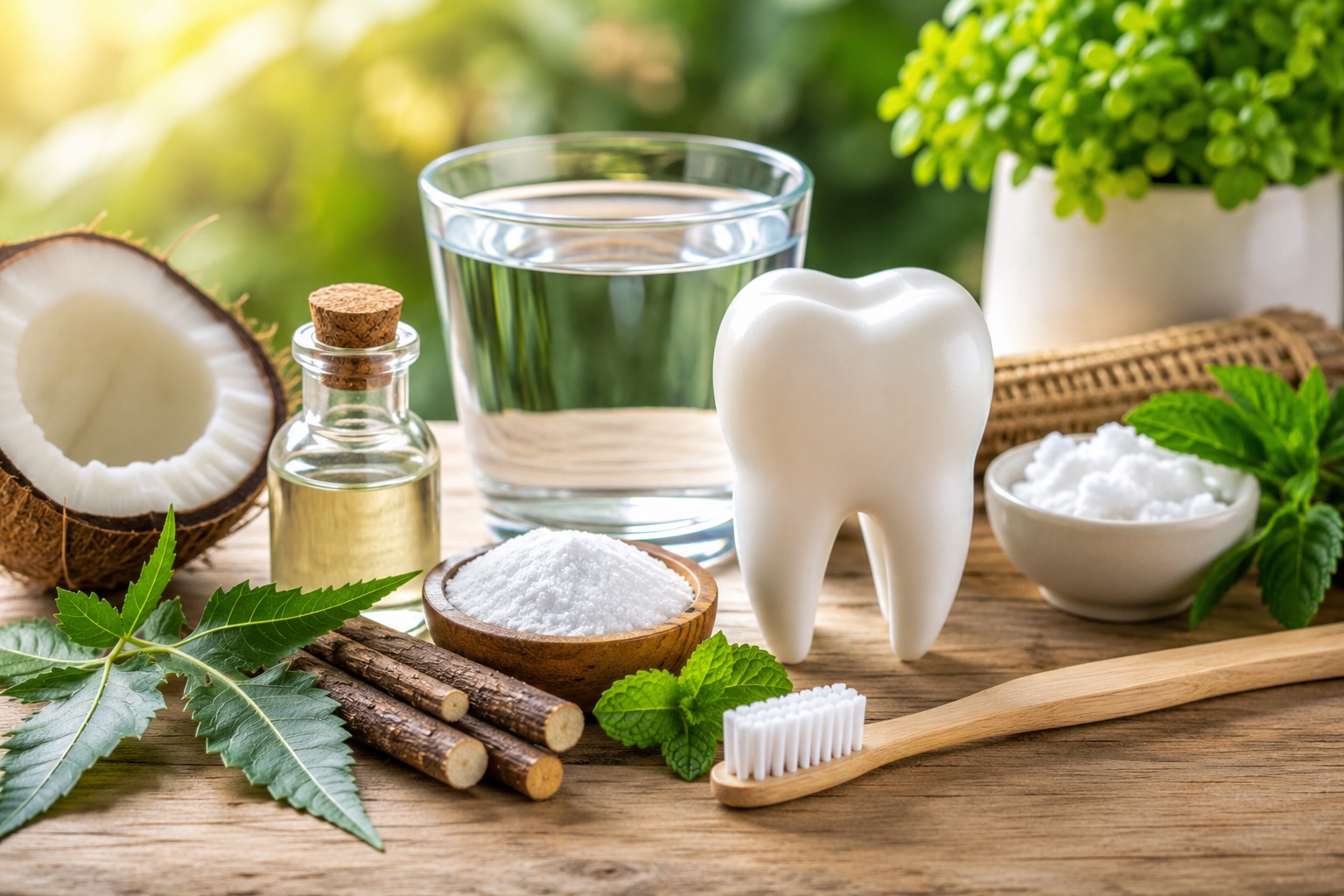
Natural toothpaste options with ingredients like baking soda, coconut oil, neem, or charcoal can help clean teeth effectively without harsh chemicals.
Floss Daily
Flossing removes food particles and plaque between teeth where toothbrushes cannot reach. Without flossing, bacteria build up and increase the risk of gum disease and cavities.
Daily flossing helps:
- Prevent plaque buildup
- Reduce gum bleeding
- Eliminate trapped food
- Improve breath freshness
If traditional floss feels difficult, water flossers or natural fiber floss can be excellent alternatives.
Use Oil Pulling
Oil pulling is an ancient practice that has become popular again for natural oral care. It involves swishing oil in the mouth for 10–20 minutes to remove bacteria and toxins.
Coconut oil is the most common choice because it contains antimicrobial properties.
Benefits of oil pulling may include:
- Reduced plaque
- Fresher breath
- Healthier gums
- Lower bacteria levels
To try oil pulling:
- Take one tablespoon of coconut oil
- Swish gently in your mouth
- Avoid swallowing the oil
- Spit it into a trash bin
- Rinse with warm water
Doing this a few times a week may support better oral hygiene naturally.
Eat Tooth-Friendly Foods
Diet plays a major role in oral health. Certain foods strengthen teeth while others increase the risk of decay.
Best Foods for Healthy Teeth
Crunchy Fruits and Vegetables
Apples, carrots, and celery help clean teeth naturally and stimulate saliva production.
Dairy Products
Milk, yogurt, and cheese contain calcium and phosphorus that strengthen enamel.
Leafy Greens
Spinach and kale are rich in vitamins and minerals that support gum health.
Nuts and Seeds
Almonds and sesame seeds provide minerals that help protect teeth.
Green Tea
Green tea contains antioxidants that may reduce harmful bacteria in the mouth.
Avoid Sugary and Acidic Foods
Sugar feeds harmful bacteria that produce acids damaging tooth enamel. Acidic drinks and foods can also weaken teeth over time.
Limit:
- Soda
- Candy
- Energy drinks
- Sugary snacks
- Citrus juices in excess
If you consume sugary foods, rinse your mouth with water afterward to reduce acid exposure.
Stay Hydrated
Drinking water is one of the simplest natural ways to improve oral health. Water helps wash away food particles and bacteria while supporting saliva production.
Saliva is essential because it:
- Neutralizes acids
- Protects enamel
- Prevents dry mouth
- Helps repair early tooth damage
Fluoridated water can also provide extra protection against cavities.
Improve Gum Health Naturally
Healthy gums are just as important as healthy teeth. Gum disease often begins with redness, swelling, or bleeding during brushing.
Natural ways to support gum health include:
Salt Water Rinse
A warm salt water rinse can reduce inflammation and bacteria.
Mix:
- Half a teaspoon of salt
- One glass of warm water
Rinse for 30 seconds once or twice daily.
Aloe Vera
Aloe vera has soothing and antibacterial properties that may help irritated gums.
Clove Oil
Clove oil is traditionally used to relieve tooth discomfort and fight bacteria. Use only a small diluted amount.
Stop Smoking and Tobacco Use
Smoking damages gums, stains teeth, and increases the risk of oral cancer. Tobacco products reduce blood flow to the gums, making it harder for tissues to heal.
Quitting smoking can lead to:
- Fresher breath
- Healthier gums
- Whiter teeth
- Lower risk of gum disease
This is one of the most important steps for long-term oral health improvement.
Get Enough Vitamins and Minerals
Nutrient deficiencies can weaken teeth and gums. Important nutrients for oral health include:
Calcium
Strengthens teeth and bones.
Sources:
- Milk
- Cheese
- Yogurt
- Almonds
Vitamin D
Helps the body absorb calcium.
Sources:
- Sunlight
- Fatty fish
- Eggs
Vitamin C
Supports healthy gums and tissue repair.
Sources:
- Oranges
- Strawberries
- Bell peppers
Phosphorus
Protects and rebuilds tooth enamel.
Sources:
- Fish
- Eggs
- Nuts
A balanced diet rich in nutrients naturally supports stronger teeth and gums.
Manage Stress
Stress can negatively affect oral health in several ways. Many people grind their teeth during stress or neglect oral hygiene habits.
Stress may also weaken the immune system, increasing gum inflammation.
Natural stress management methods include:
- Exercise
- Meditation
- Deep breathing
- Quality sleep
- Outdoor activities
Reducing stress benefits both mental wellness and oral health.
Visit the Dentist Regularly
Even natural oral care routines cannot replace professional dental examinations. Dentists can identify problems early before they become serious.
Professional cleanings help remove hardened plaque that cannot be removed by brushing alone.
Try to schedule dental checkups every six months or as recommended by your dentist.
Signs You Should Not Ignore
Pay attention to symptoms that may indicate oral health issues:
- Bleeding gums
- Persistent bad breath
- Tooth sensitivity
- Loose teeth
- Mouth sores
- Pain while chewing
Early treatment can prevent more severe dental problems later.
Final Thoughts
Improving oral health naturally does not require complicated treatments or expensive products. Small daily habits such as proper brushing, flossing, eating healthy foods, staying hydrated, and avoiding excessive sugar can make a huge difference over time.
Natural practices like oil pulling, salt water rinses, and nutrient-rich diets can further support healthy teeth and gums. Most importantly, consistency matters. Good oral care routines practiced every day can protect your smile for years to come.
A healthy mouth is closely connected to overall health, confidence, and quality of life. By making natural oral care part of your lifestyle, you can enjoy stronger teeth, healthier gums, and a brighter smile naturally.