In today’s fast-moving world, many people believe that staying fit requires an expensive gym membership, fancy equipment, or hours of intense workouts. The truth is much simpler: you can stay healthy, strong, and energetic without ever stepping inside a gym. Fitness is not about where you exercise — it is about consistency, movement, and healthy habits.
Whether you are a student, office worker, busy parent, or someone trying to save money, staying fit without a gym is completely possible. With the right mindset and daily routine, your home, neighborhood, or even your office can become your fitness space.
Start With Daily Movement
The human body was designed to move. Unfortunately, modern lifestyles keep many people sitting for long hours. One of the easiest ways to stay fit without a gym is to increase your daily movement.
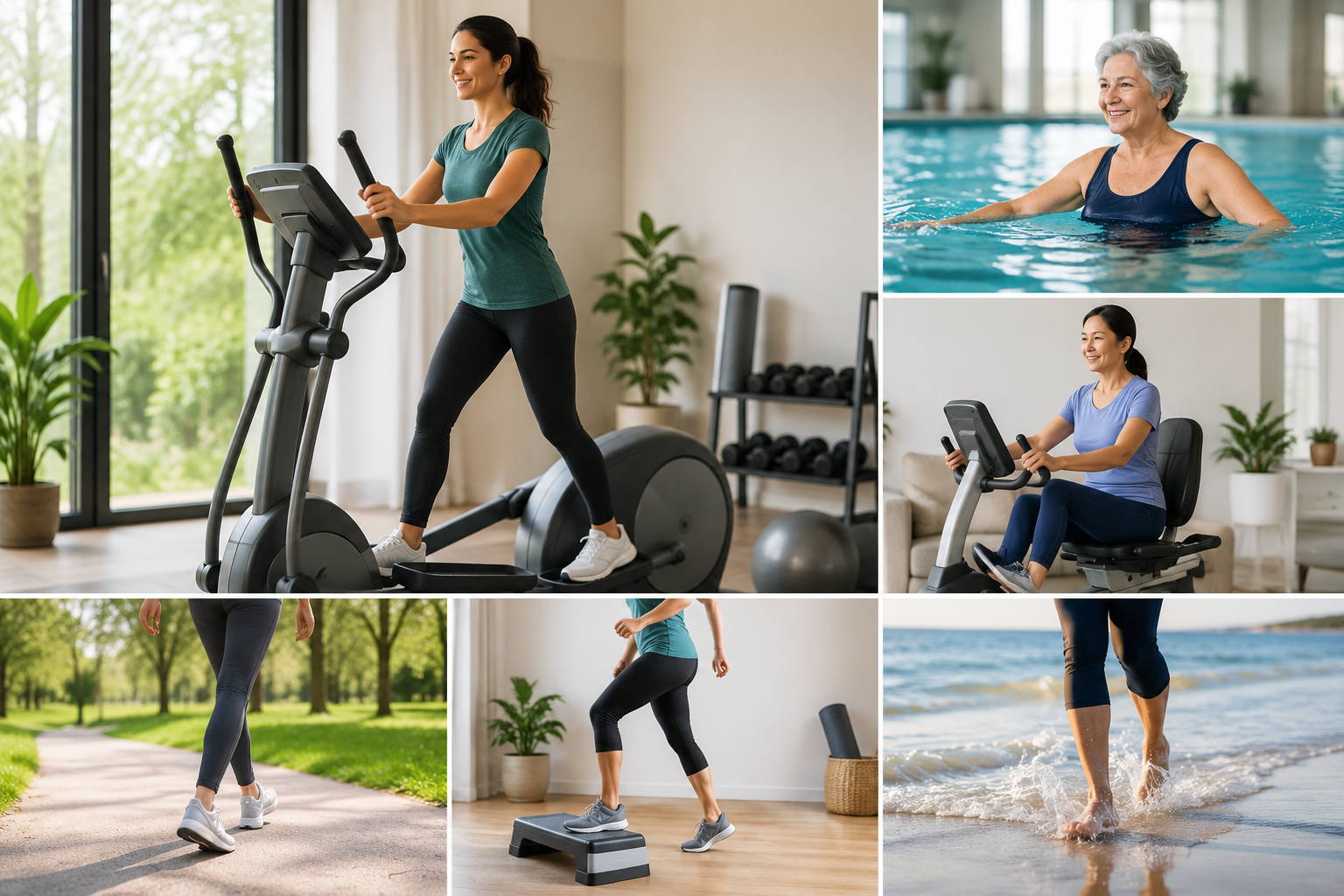
Walking is one of the most effective forms of exercise. A brisk 30-minute walk can improve heart health, burn calories, reduce stress, and increase energy levels. You do not need any special equipment except comfortable shoes. Walking in parks, around your neighborhood, or even inside your home can make a big difference.
You can also choose stairs instead of elevators, walk while talking on the phone, or stretch during work breaks. Small activities repeated every day create long-term fitness results.
Use Bodyweight Exercises
You do not need heavy machines to build strength. Your own body weight is enough to improve fitness and muscle tone.
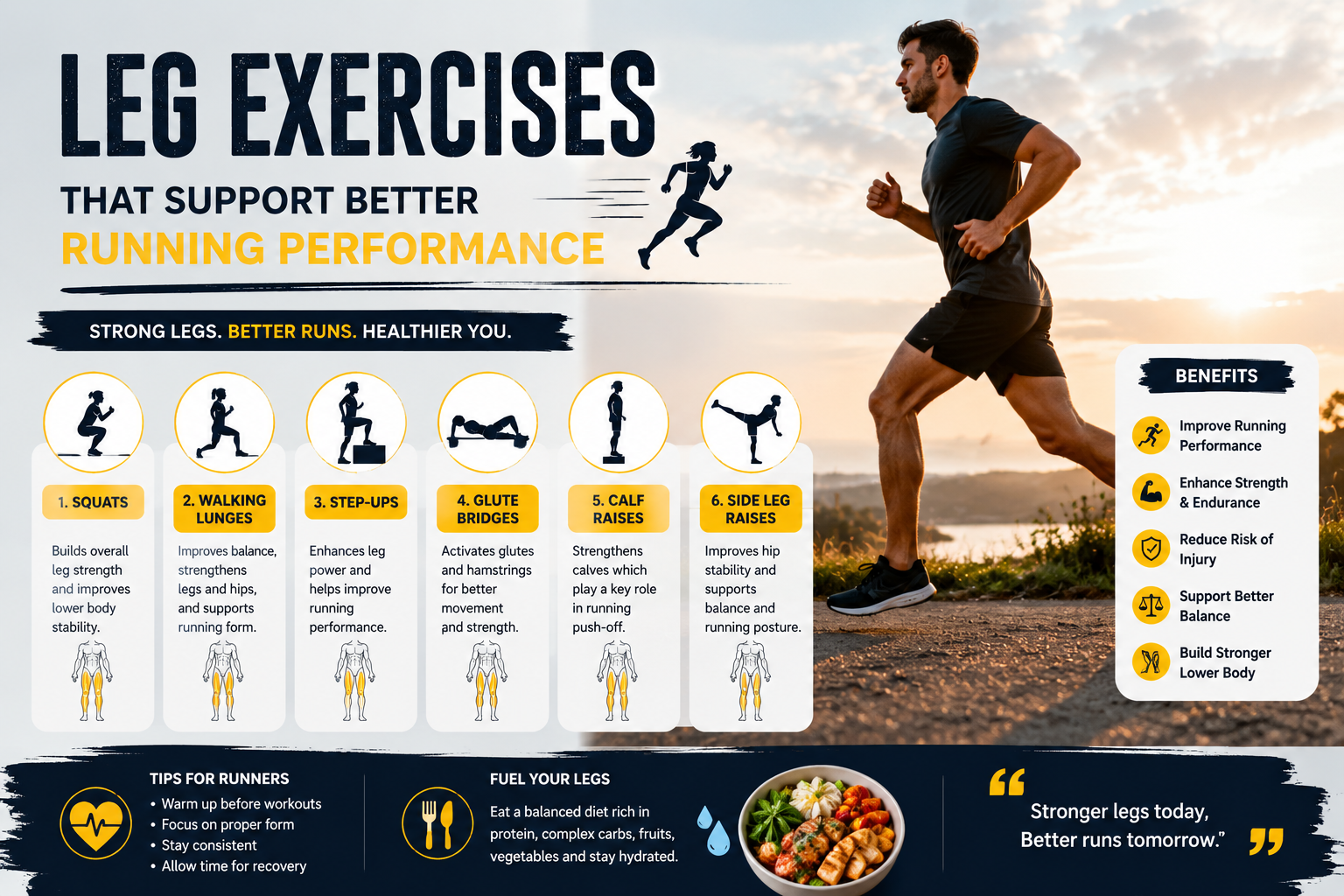
Simple exercises such as push-ups, squats, lunges, planks, and jumping jacks work multiple muscles at the same time. These exercises improve balance, flexibility, endurance, and strength.
A beginner can start with a simple 20-minute routine:
- 10 push-ups
- 15 squats
- 20 jumping jacks
- 30-second plank
- 10 lunges on each leg
Repeat this routine three to four times with short breaks in between. As your body gets stronger, you can increase repetitions and intensity.
The best part about bodyweight workouts is that they can be done anywhere — at home, in a park, or even while traveling.
Follow a Healthy Diet
Exercise alone is not enough for fitness. Nutrition plays an equally important role. You do not need a strict diet plan to stay healthy, but you should make smarter food choices.
Try to eat more natural foods such as fruits, vegetables, eggs, yogurt, whole grains, nuts, and lean proteins. Reduce sugary drinks, junk food, and highly processed snacks.
Drinking enough water is also important. Water improves digestion, keeps your body active, and supports metabolism. Many people mistake thirst for hunger, leading to unnecessary eating.
Instead of skipping meals, focus on balanced portions. Eating slowly and mindfully can help control overeating and improve digestion.
Stay Consistent
One of the biggest mistakes people make is expecting fast results. Fitness is not achieved in a week. It is built through consistent habits over time.
You do not need to exercise for hours every day. Even 20 to 30 minutes of activity daily can produce noticeable changes if done regularly.
Create a schedule that fits your lifestyle. Some people prefer morning workouts because they boost energy for the day, while others enjoy evening walks to relax after work. Choose what works best for you and stick to it.
Remember, consistency is more important than perfection.
Make Fitness Fun
Many people quit exercising because they find it boring. The secret to long-term fitness is enjoyment.
Dance to your favorite music, play football or cricket with friends, ride a bicycle, go hiking, or try yoga. Physical activity does not always need to feel like hard work.
Even household chores such as cleaning, gardening, and washing the car can help burn calories and keep your body active.
When fitness becomes enjoyable, it turns into a lifestyle instead of a burden.
Get Enough Sleep
Sleep is often ignored in fitness discussions, but it is extremely important. During sleep, the body repairs muscles, restores energy, and supports mental health.
Lack of sleep can lead to weight gain, low energy, stress, and poor concentration. Adults should aim for seven to eight hours of quality sleep each night.
To improve sleep:
- Avoid excessive screen time before bed
- Keep your room cool and comfortable
- Maintain a regular sleep schedule
- Reduce caffeine intake late in the day
A well-rested body performs better physically and mentally.
Manage Stress Effectively
Stress affects both mental and physical health. High stress levels can lead to emotional eating, fatigue, and unhealthy habits.
Simple activities such as meditation, deep breathing, journaling, or spending time in nature can help reduce stress. Exercise itself is also a powerful stress reliever because it releases endorphins, the body’s natural “feel-good” chemicals.
Taking care of your mental health is an essential part of staying fit.
Use Technology Wisely
Today, there are countless free fitness resources available online. You can find workout videos, yoga sessions, dance tutorials, and fitness challenges on apps and social media platforms.
Fitness trackers and mobile apps can also help monitor steps, calories, and daily activity levels. These tools can motivate you to stay active and achieve goals.
However, avoid comparing yourself to others online. Fitness is a personal journey, and progress looks different for everyone.
Build Healthy Habits Slowly
Trying to change everything at once often leads to failure. Instead, focus on building one healthy habit at a time.
Start with small goals such as:
- Walking 5,000 steps daily
- Drinking more water
- Exercising three times a week
- Reducing sugary snacks
Once these habits become natural, add new ones gradually. Small improvements made consistently lead to major long-term results.
Conclusion
Staying fit without a gym is not only possible but also practical and affordable. True fitness comes from daily movement, healthy eating, quality sleep, and consistency. You do not need expensive machines or professional trainers to live a healthy life.
Your body responds to how you treat it every day. Walking more, eating better, staying active, and maintaining positive habits can transform your health over time.
The most important step is to begin. Start small, stay committed, and remember that every movement counts. Fitness is not about having the perfect body — it is about feeling stronger, healthier, happier, and more confident in your everyday life.