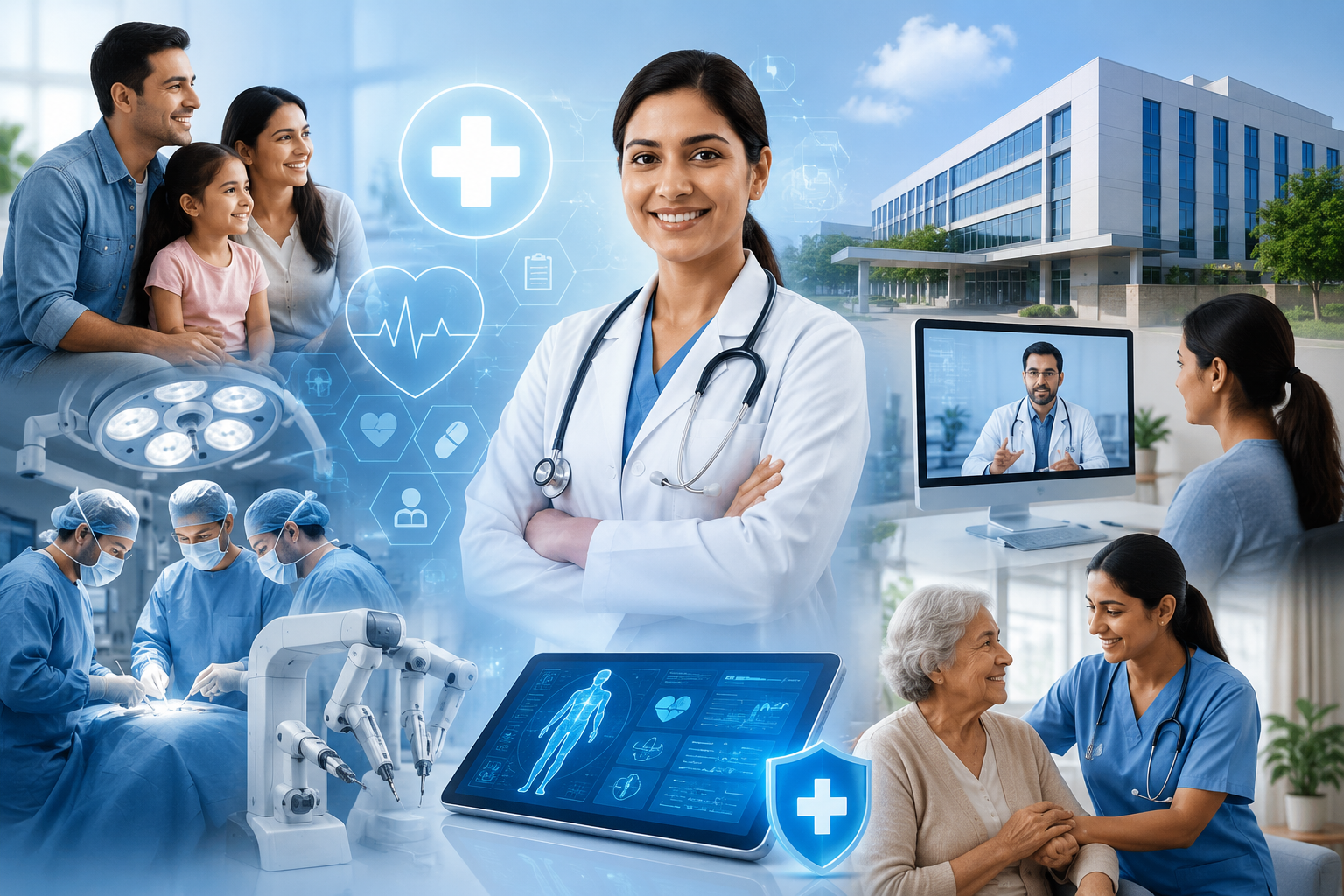
Healthcare has always been one of the most essential parts of human life. Over the years, medical systems around the world have transformed dramatically due to technological advancements, improved research, digital innovation, and patient-centered care. Modern healthcare services now offer faster diagnosis, better treatments, improved patient experiences, and increased life expectancy. From telemedicine and robotic surgeries to electronic medical records and preventive healthcare programs, the healthcare industry has entered a new era that benefits individuals, families, and entire communities.
Modern healthcare services are not limited to hospitals alone. They include clinics, rehabilitation centers, diagnostic laboratories, pharmacies, emergency services, home healthcare, mental health counseling, and digital healthcare platforms. These services work together to provide comprehensive care that improves the quality of life for millions of people.
This article explores the major benefits of modern healthcare services and explains how they contribute to healthier societies and stronger economies.
Improved Access to Medical Care
One of the greatest advantages of modern healthcare services is improved access to medical treatment. In the past, many people living in rural or remote areas struggled to receive proper healthcare due to the lack of hospitals and trained doctors. Today, healthcare services have expanded significantly through digital technology and mobile medical units.
Telemedicine has become a major breakthrough in healthcare accessibility. Patients can now consult doctors online through video calls, mobile apps, or digital platforms without traveling long distances. This service saves time, reduces transportation costs, and allows people to receive medical advice from specialists located anywhere in the world.
Modern healthcare systems also provide 24/7 emergency services, ambulance networks, and urgent care facilities that ensure immediate treatment during critical situations. This accessibility has reduced mortality rates and improved survival chances for patients with serious medical conditions.
Faster and More Accurate Diagnosis
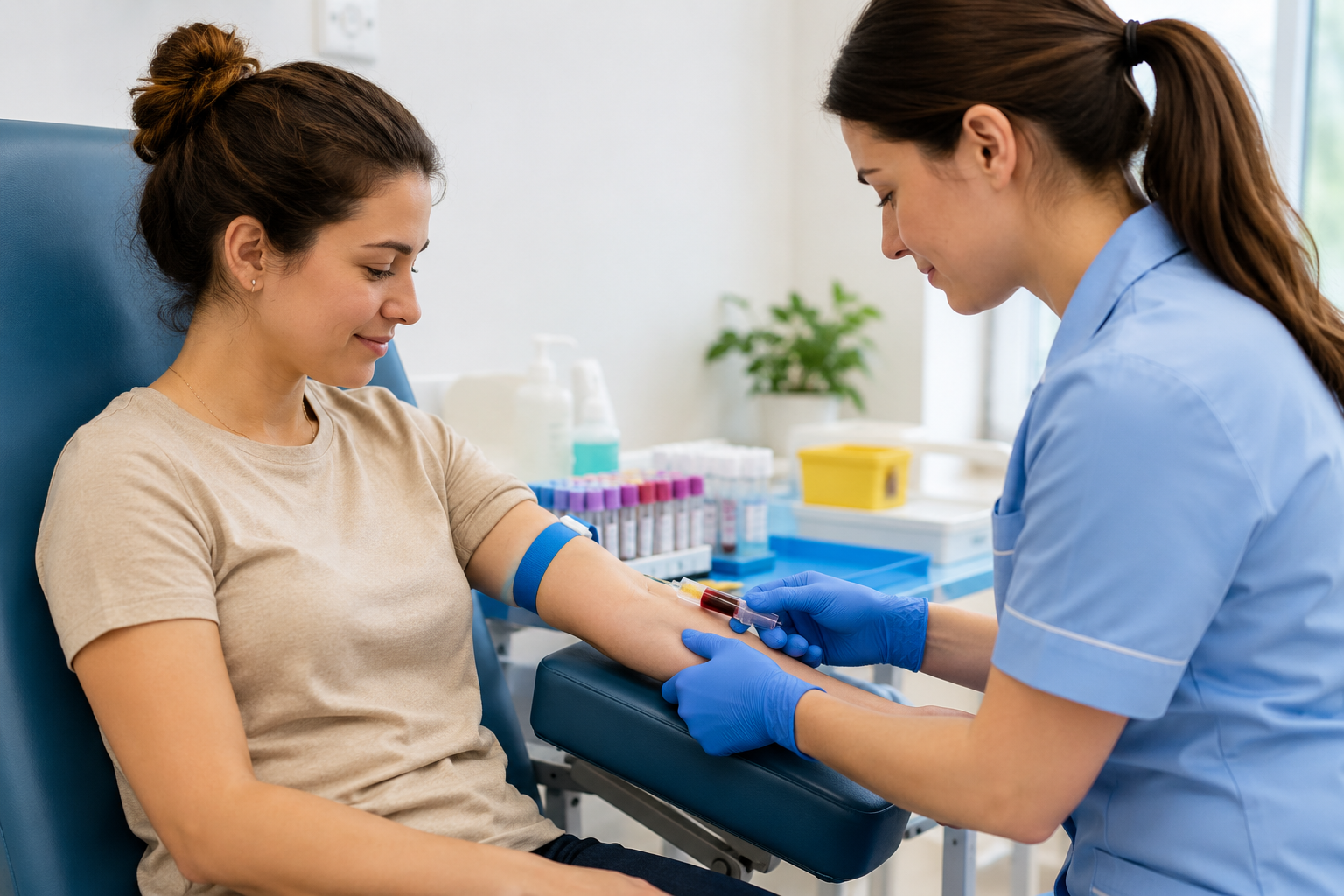
Technology has greatly improved the accuracy and speed of medical diagnosis. Modern healthcare services use advanced diagnostic tools such as MRI scans, CT scans, ultrasound imaging, digital X-rays, and laboratory testing systems to detect diseases at an early stage.
Early diagnosis is extremely important because many illnesses can be treated more effectively when discovered in time. Diseases such as cancer, diabetes, heart disease, and infections can now be identified before they become severe. This increases the chances of successful treatment and lowers healthcare costs in the long run.
Artificial intelligence and machine learning are also helping healthcare professionals analyze medical data more accurately. AI-powered systems can identify patterns in medical images, predict disease risks, and support doctors in making informed decisions. As a result, patients receive precise diagnoses and personalized treatment plans.
Better Treatment Options
Modern healthcare services provide a wide range of advanced treatment methods that were unavailable in the past. Medical research and pharmaceutical innovations have introduced new medications, minimally invasive surgeries, and specialized therapies that improve recovery rates.
For example, robotic-assisted surgeries allow surgeons to perform complex operations with greater precision and smaller incisions. This reduces pain, minimizes blood loss, and shortens recovery time for patients. Similarly, laser treatments and advanced therapies are now used in eye care, dermatology, and cancer treatment.
Personalized medicine is another important development in modern healthcare. Doctors can now design treatments based on a patient’s genetic profile, lifestyle, and medical history. This approach increases the effectiveness of treatments while reducing side effects.
Additionally, modern healthcare services focus on pain management and rehabilitation programs that help patients recover physically and emotionally after illness or surgery.
Enhanced Preventive Healthcare
Preventive healthcare is one of the most valuable features of modern medical systems. Instead of treating diseases only after they occur, healthcare providers now emphasize prevention and early intervention.
Regular health screenings, vaccinations, wellness programs, and public health campaigns help people avoid serious illnesses. Modern healthcare services educate individuals about healthy lifestyles, balanced diets, exercise, mental wellness, and disease prevention.
Vaccination programs have successfully reduced the spread of dangerous diseases such as polio, measles, hepatitis, and influenza. Preventive care also helps identify risk factors such as high blood pressure, obesity, and cholesterol problems before they lead to severe complications.
By focusing on prevention, healthcare systems reduce hospital admissions and lower the financial burden on both patients and governments.
Increased Life Expectancy
One of the clearest signs of progress in healthcare is the increase in average life expectancy around the world. Modern healthcare services have contributed significantly to reducing infant mortality, controlling infectious diseases, and managing chronic illnesses.
Improved sanitation, better nutrition, advanced medications, and regular medical care have enabled people to live longer and healthier lives. Conditions that were once considered fatal can now be managed effectively through ongoing treatment and monitoring.
For example, patients with diabetes, hypertension, or heart disease can maintain normal lifestyles through proper medication, routine checkups, and healthy habits. Organ transplantation, advanced surgeries, and cancer therapies have also extended the lives of many patients.
Longer life expectancy not only benefits individuals but also strengthens families and communities.
Improved Patient Experience
Modern healthcare services place greater emphasis on patient comfort, safety, and satisfaction. Hospitals and clinics now focus on providing patient-centered care that respects the needs and preferences of individuals.
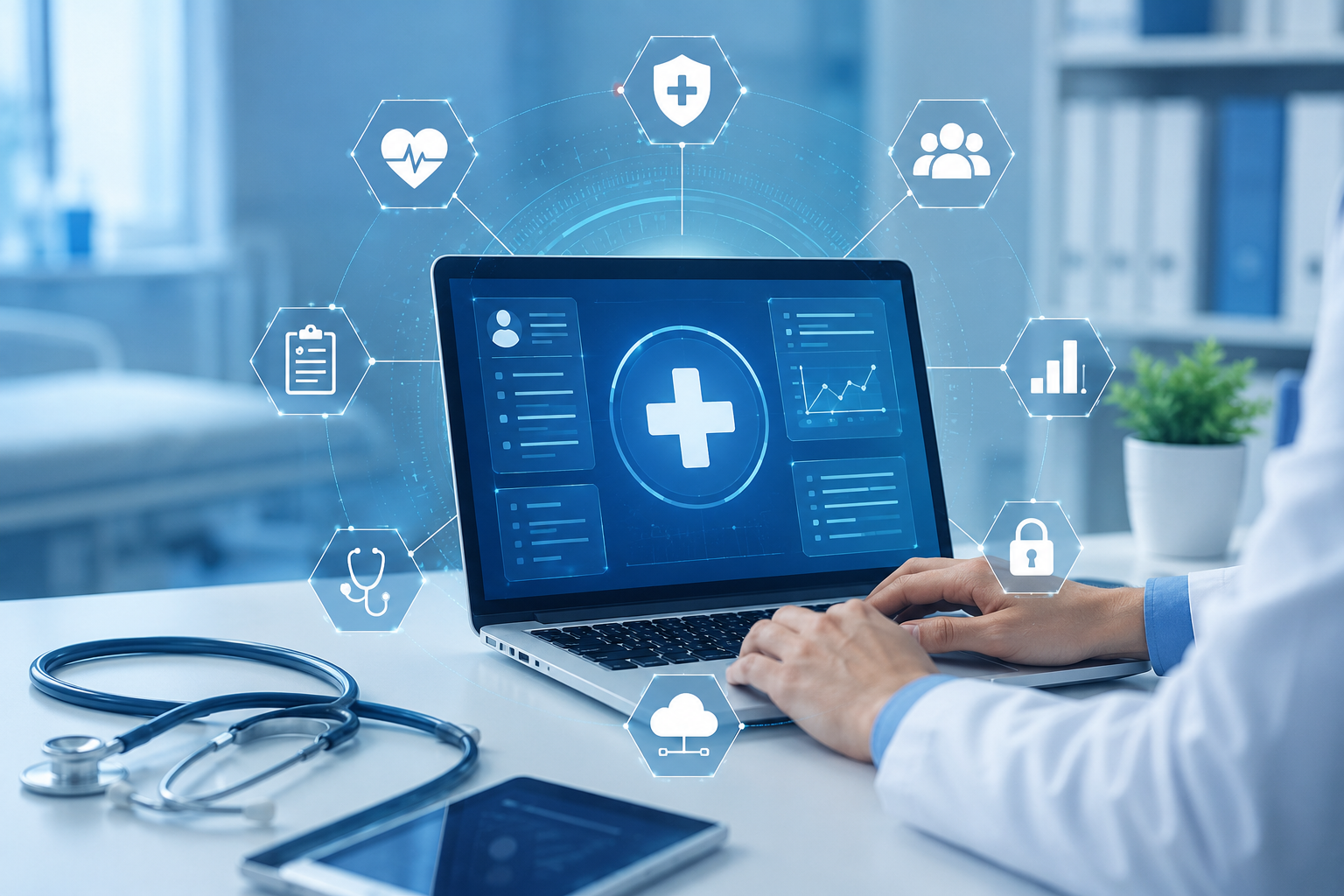
Electronic health records (EHRs) have improved communication between healthcare providers. Doctors can quickly access patient histories, test results, prescriptions, and treatment plans, reducing medical errors and improving coordination.
Many healthcare facilities also provide online appointment systems, digital prescriptions, and automated reminders that make healthcare more convenient for patients. Comfortable hospital environments, shorter waiting times, and better customer service contribute to a more positive healthcare experience.
Furthermore, healthcare professionals today receive training in communication and empathy, helping patients feel respected and understood during treatment.
Better Management of Chronic Diseases
Chronic diseases such as asthma, arthritis, diabetes, and cardiovascular disorders require long-term care and monitoring. Modern healthcare services provide advanced management strategies that help patients control these conditions effectively.
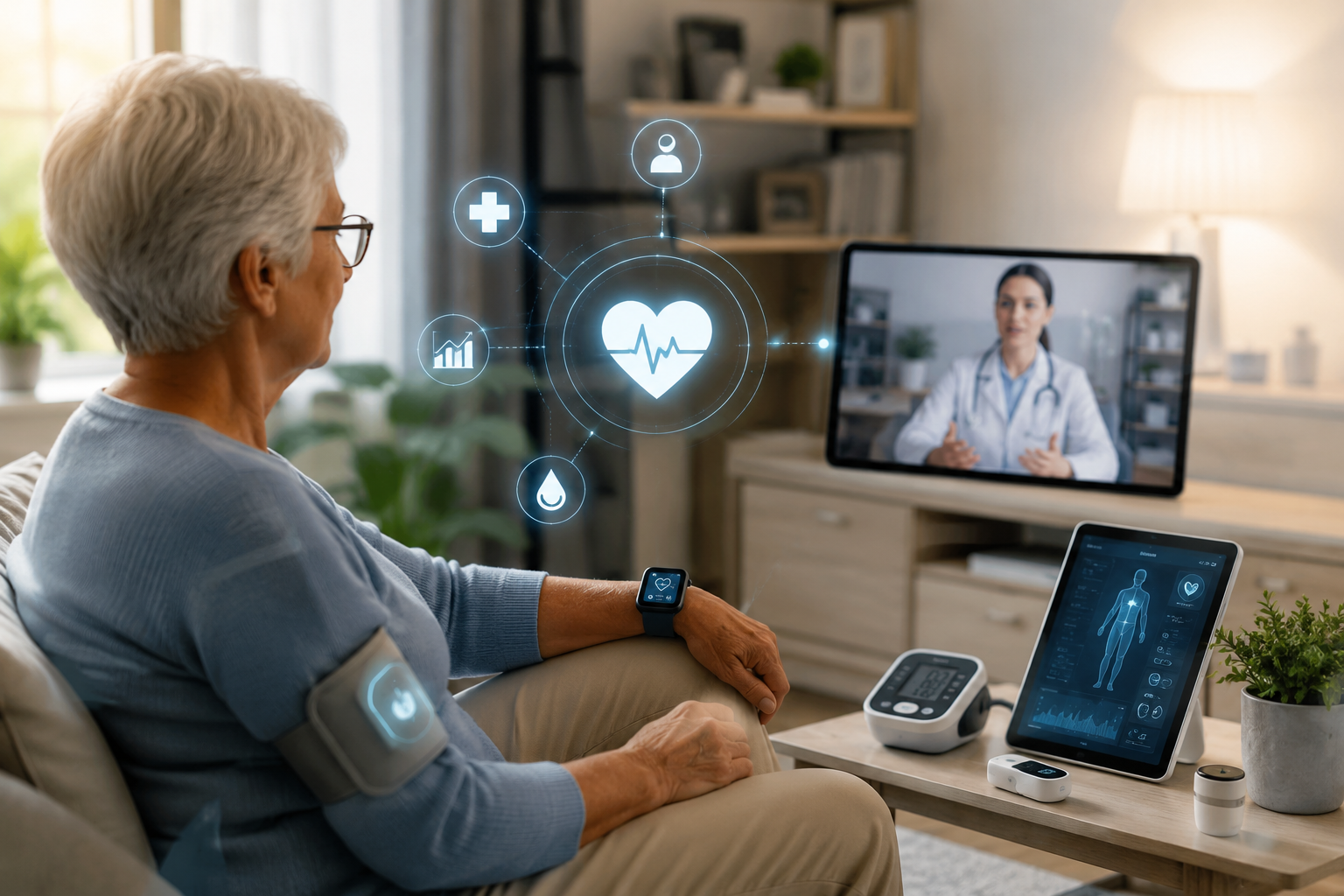
Remote monitoring devices, wearable health technology, and mobile health applications allow doctors to track patient health in real time. Patients can measure blood sugar levels, heart rates, oxygen levels, and blood pressure from home while sharing data with healthcare providers.
This continuous monitoring helps prevent complications and enables doctors to adjust treatments quickly when needed. Patients also receive educational support and counseling that encourage healthy habits and medication adherence.
As a result, people with chronic illnesses can enjoy improved quality of life and greater independence.
Mental Health Support
Mental health has become a major focus of modern healthcare services. In the past, mental illnesses were often misunderstood or ignored. Today, healthcare systems recognize the importance of emotional and psychological well-being.
Modern healthcare services provide counseling, psychotherapy, psychiatric care, stress management programs, and mental health awareness campaigns. Online therapy and telepsychiatry have made mental health services more accessible, especially for people who feel uncomfortable visiting clinics in person.
Early treatment for anxiety, depression, trauma, and other mental health conditions helps individuals maintain healthier relationships, better work performance, and improved overall well-being.
The integration of mental healthcare into general healthcare systems has reduced stigma and encouraged more people to seek professional support.
Advanced Emergency and Critical Care
Emergency medicine has improved dramatically due to modern healthcare services. Ambulance systems, emergency response teams, and intensive care units are now equipped with advanced medical technology that saves lives during accidents and critical illnesses.
Patients suffering from strokes, heart attacks, severe injuries, or respiratory failure can receive immediate treatment through specialized emergency care. Advanced life support systems, ventilators, and monitoring equipment help stabilize patients during emergencies.
Trauma centers and specialized emergency departments ensure that critical cases receive rapid attention from trained professionals. Quick response times significantly improve survival rates and reduce long-term complications.
Economic and Social Benefits
Modern healthcare services contribute not only to individual health but also to economic growth and social stability. Healthy populations are more productive, active, and capable of contributing to society.
When people receive proper healthcare, they miss fewer workdays and maintain better physical and mental performance. This increases workplace productivity and reduces economic losses caused by illness.
Healthcare industries also create millions of jobs for doctors, nurses, pharmacists, therapists, researchers, technicians, and healthcare administrators. Medical research and pharmaceutical development drive innovation and investment in national economies.
Additionally, healthier communities experience lower crime rates, stronger family structures, and improved educational outcomes.
Support for Aging Populations
As life expectancy increases, many countries are experiencing aging populations. Modern healthcare services provide specialized care for older adults through geriatric medicine, rehabilitation programs, and home healthcare services.
Elderly individuals can receive assistance with mobility, medication management, chronic disease treatment, and daily activities. Home nursing services and remote health monitoring allow seniors to maintain independence while receiving professional care.
Modern healthcare also supports healthy aging through preventive screenings, nutritional counseling, and physical therapy programs that improve mobility and quality of life.
Innovation and Medical Research
Medical research continues to drive the evolution of healthcare services. Scientists and healthcare professionals constantly develop new vaccines, treatments, surgical techniques, and diagnostic tools that improve patient outcomes.
During global health crises such as pandemics, modern healthcare systems can respond rapidly through research collaboration, vaccine production, and digital communication. The ability to share medical information globally has accelerated scientific discoveries and improved disease control efforts.
Innovation also encourages personalized healthcare solutions and more effective therapies for rare and complex diseases.
Conclusion
Modern healthcare services have transformed human life in remarkable ways. They provide improved access to medical care, faster diagnosis, advanced treatments, preventive healthcare, and better management of chronic illnesses. Technological innovation, digital healthcare systems, and patient-centered approaches have made healthcare more efficient, accessible, and effective than ever before.
Beyond physical treatment, modern healthcare also supports mental health, emergency care, healthy aging, and overall well-being. These services contribute to longer life expectancy, stronger economies, and healthier communities.
Although challenges such as healthcare costs and unequal access still exist in many parts of the world, the progress made in modern healthcare continues to improve lives every day. As technology and medical research advance further, healthcare systems will become even more capable of protecting and enhancing human health for future generations.