Introduction
When it comes to skincare, oils have been used for centuries across different cultures and traditions. From ancient Egypt to modern beauty routines, natural oils have always played an important role in keeping skin soft, nourished, and healthy-looking. Today, with so many products available in the market, people are returning to the basics and rediscovering the power of natural oils.
But not all oils work the same way for every skin type. Choosing the right oil can make a real difference in how your skin looks and feels. Whether your skin is dry, oily, sensitive, or combination, there is likely a natural oil that can support it.
In this article, we will explore some of the best oils for skincare, explain what makes each one beneficial, and help you understand how to use them wisely as part of a daily routine. If you are also curious about what other natural ingredients can support healthy skin, check out our guide on Natural Ingredients That Can Support Healthier Looking Skin.
Why Skin Oils Matter
The skin has a natural protective barrier made up of lipids and oils. When this barrier is healthy, the skin stays moisturized, protected from environmental stress, and balanced. However, factors like weather changes, harsh cleansers, aging, and poor nutrition can weaken this barrier over time.
Natural oils help restore and support this barrier. They work by sealing in moisture, reducing water loss, and providing the skin with essential fatty acids and vitamins. This is why oils are often included in moisturizers, serums, and overnight treatments.
When used correctly, facial oils do not make skin oilier. In fact, the right oil can help balance the skin’s natural sebum production. People with oily skin often skip oils altogether, but some lightweight oils can actually be very helpful for them too.
Understanding your skin type is an important first step. For a complete guide on building a healthy routine, read our article on Daily Skincare Routine for Healthy Skin.
1. Jojoba Oil
Jojoba oil is one of the most popular skincare oils in the world, and for good reason. Technically, it is not an oil but a liquid wax, which makes it unique. Its structure is very similar to the skin’s natural sebum, which means the skin absorbs it easily without feeling greasy.
Best for: All skin types, including oily and acne-prone skin
Benefits:
- Deeply moisturizes without clogging pores
- Helps balance natural oil production
- Contains vitamin E and B vitamins
- Has a long shelf life and rarely goes rancid
- Can be used on both the face and body
Jojoba oil is lightweight and gentle, making it a great starting point for people who are new to facial oils. It works well as a daily moisturizer or can be mixed with other skincare products.
2. Rosehip Seed Oil
Rosehip seed oil is extracted from the seeds of wild rose bushes. It has become very popular in recent years, especially among people who are dealing with uneven skin tone, dark spots, or signs of aging. This oil is rich in vitamins A and C, as well as essential fatty acids.
Best for: Mature skin, uneven skin tone, dry skin
Benefits:
- Supports skin cell renewal
- May help reduce the appearance of scars and dark spots
- Rich in antioxidants that protect the skin
- Helps improve skin texture over time
- Lightweight and absorbs well
People dealing with rough or uneven skin texture may find rosehip oil particularly helpful. For more on this topic, read Understanding Uneven Skin Texture and Habits That Support Smoother Looking Skin.
Rosehip oil is best used at night because it is sensitive to sunlight. Apply a few drops after your serum and before your moisturizer.
3. Argan Oil
Argan oil comes from the kernels of the argan tree, which grows mainly in Morocco. It is sometimes called “liquid gold” because of its rich, golden color and its many skincare benefits. It has been a traditional beauty ingredient in North Africa for generations.
Best for: Dry skin, aging skin, damaged skin
Benefits:
- Very rich in vitamin E and fatty acids
- Deeply nourishing and softening
- Helps restore skin elasticity
- Can improve the appearance of fine lines
- Also works well as a hair treatment
Argan oil is slightly heavier than some other oils, so it is best used at night or in small amounts during the day. A little goes a long way. It absorbs well and leaves skin feeling soft and smooth without a heavy greasy feeling.
4. Tea Tree Oil
Tea tree oil is different from the other oils on this list because it is used primarily for its clarifying and purifying properties rather than moisturizing. It is an essential oil, which means it must always be diluted with a carrier oil before applying to the skin.
Best for: Oily skin, acne-prone skin, blemish-prone skin
Benefits:
- Has natural clarifying properties
- Helps keep pores looking clean
- Supports a balanced and clearer complexion
- Can soothe the appearance of redness around blemishes
- Works well when mixed with jojoba or rosehip oil
Tea tree oil should never be applied directly to the skin in its undiluted form. Mix one or two drops with a tablespoon of carrier oil before use. Avoid the eye area.
If you are dealing with common skin issues or mistakes in your routine, you might also want to read our article on Common Skincare Mistakes to Avoid.
5. Squalane Oil
Squalane is a lightweight, stable oil that is derived from plant sources such as sugarcane or olives. The skin naturally produces a similar compound called squalene, but this decreases with age. Squalane oil helps replenish this lost moisture.
Best for: All skin types, especially sensitive and mature skin
Benefits:
- Extremely lightweight and fast-absorbing
- Very gentle and suitable for sensitive skin
- Helps lock in moisture effectively
- Non-comedogenic, meaning it does not clog pores
- Supports a plump and smooth skin appearance
Squalane is one of the most well-tolerated oils in skincare and is unlikely to cause reactions even on the most sensitive skin types. It works well both morning and night.
6. Sweet Almond Oil
Sweet almond oil is a gentle, nourishing oil pressed from almond kernels. It has been used in traditional wellness practices across Asia and the Mediterranean for centuries. It is rich in vitamins E and K, as well as essential fatty acids.
Best for: Dry and sensitive skin, body care
Benefits:
- Softens and soothes dry, irritated skin
- Absorbs easily without leaving a heavy residue
- Helps improve skin tone and complexion over time
- Works well as a body oil or massage oil
- Good for under-eye area when applied carefully
Sweet almond oil is one of the best oils for overall body care and for people with dry or sensitive facial skin. It is also commonly used to remove makeup gently.
7. Marula Oil
Marula oil is pressed from the kernels of the marula fruit, which grows in southern Africa. It is a relatively newer oil in the western skincare world but has been used traditionally for a long time. It is high in oleic acid, which makes it very nourishing.
Best for: Dry skin, mature skin, dull skin
Benefits:
- Rich in antioxidants
- Very fast-absorbing despite being nourishing
- Supports a healthy and radiant skin appearance
- Contains omega fatty acids that support skin health
- Lightweight enough for face use
Marula oil has a slightly nutty, pleasant scent and leaves the skin looking refreshed and radiant. It pairs well with other serums and works nicely as an overnight treatment.
How to Use Facial Oils in Your Routine
Using facial oils correctly can make a big difference in how effective they are. Here are some simple guidelines:
Apply on slightly damp skin. Oils help lock in moisture, so applying them when your skin is still slightly damp helps trap hydration more effectively.
Use after serums, before moisturizer. Oils are typically used as the last step in a skincare routine before sunscreen. If you use a moisturizer, apply the oil first unless the moisturizer is very lightweight.
Start with a few drops. A small amount is usually enough. Warm the oil between your fingertips and gently press it into your skin rather than rubbing.
Patch test first. If you are trying a new oil for the first time, test it on a small area of skin before applying it to your full face.
Be consistent. Like most skincare practices, oils work best when used regularly over time. Results do not usually appear overnight.
For more helpful skincare habits, visit our full guide on Best Natural Skincare Tips for Glowing Skin.
Which Oil Is Right for Your Skin Type?
| Skin Type | Recommended Oils |
|---|---|
| Dry skin | Argan, Sweet Almond, Marula |
| Oily skin | Jojoba, Squalane, Tea Tree (diluted) |
| Sensitive skin | Squalane, Sweet Almond, Jojoba |
| Mature skin | Rosehip, Argan, Marula |
| Acne-prone skin | Jojoba, Tea Tree (diluted), Squalane |
| All skin types | Jojoba, Squalane |
Understanding your skin type is the foundation of any successful skincare routine. If you are looking to take better care of your skin overall, our article on Clarity Skin Care Tips for Healthy and Glowing Skin offers practical and easy-to-follow guidance.
Oils and the Glass Skin Trend
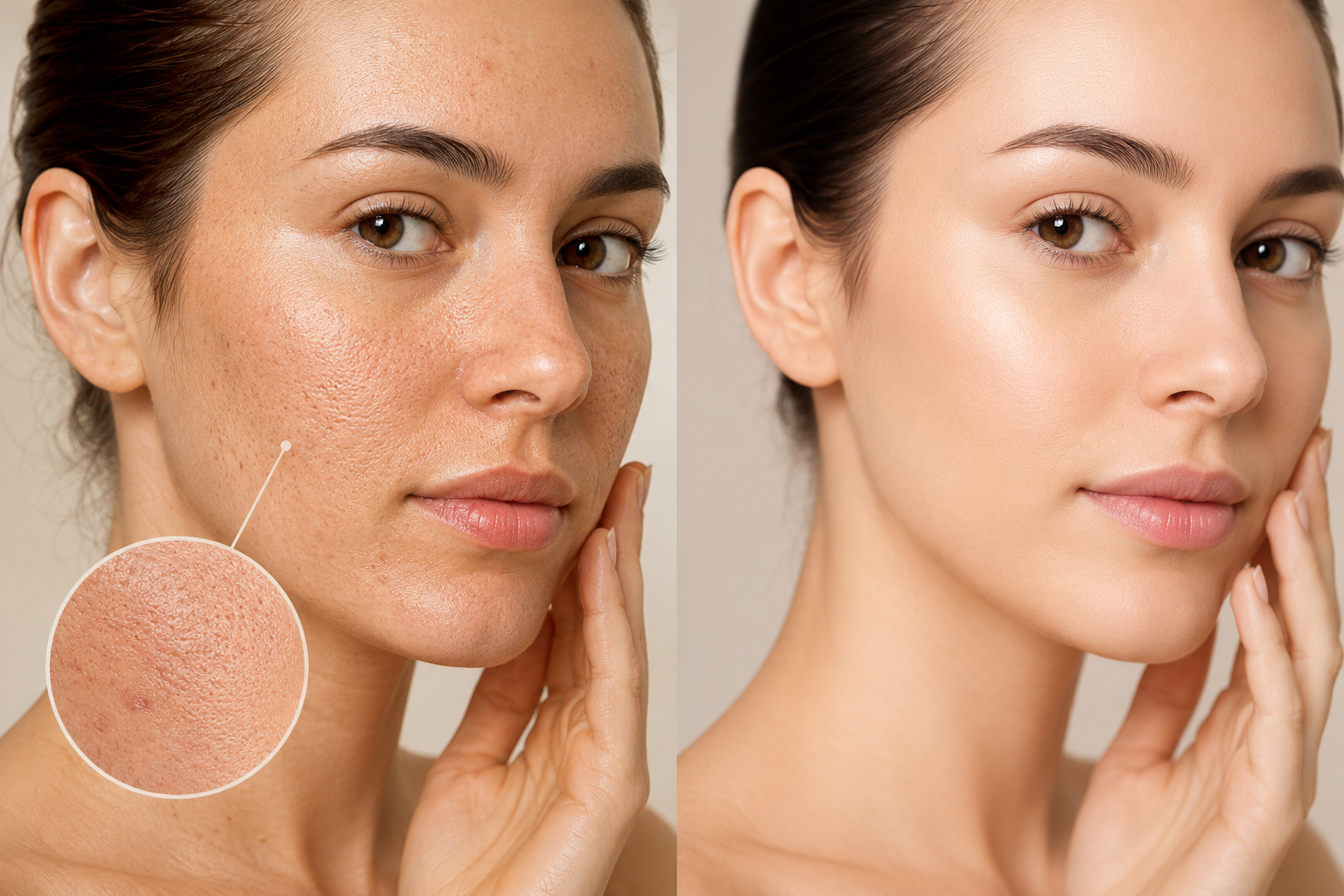
One of the most popular skincare goals in recent years is achieving what many people call “glass skin” — a smooth, hydrated, and naturally radiant appearance. Facial oils play a role in this because they help maintain deep hydration and a healthy glow.
While glass skin is partly about genetics and overall health, the right skincare routine — including the use of suitable oils — can support a more luminous and even-looking complexion. To learn more about this approach, read Glass Skin Explained: Daily Habits for a Healthy Glow.
Things to Keep in Mind
Before adding any new oil to your routine, there are a few things worth remembering:
Not every oil works for every person. What works beautifully for one person might not suit another. Skin is personal, and reactions can vary.
Some oils are comedogenic, meaning they may clog pores for some people. Coconut oil, for example, is popular but tends to clog pores for many skin types, especially on the face. This is why it is not included in this list as a top facial oil recommendation.
Essential oils like tea tree must always be diluted before use. Using undiluted essential oils on skin can cause irritation, redness, or burns.
Quality matters. Choose cold-pressed, unrefined oils from trusted brands when possible. These oils retain more of their natural nutrients and are less likely to contain additives.
Final Thoughts
Natural oils have earned their place in skincare for good reason. They are effective, gentle, and versatile when used correctly. Whether you are looking to add more moisture, improve skin texture, or simply maintain a healthy glow, there is likely a natural oil that can support your goals.
Start with one oil that suits your skin type, be consistent, and observe how your skin responds over a few weeks. Small, steady changes in a skincare routine often lead to the most lasting improvements.
Taking care of your skin is a form of self-care. When paired with good habits, proper hydration, and a balanced approach, the right oil can become a simple but meaningful part of your daily wellness routine.
For more skincare and health tips, explore the full Skin Care section on Wellhealthcare.