Introduction
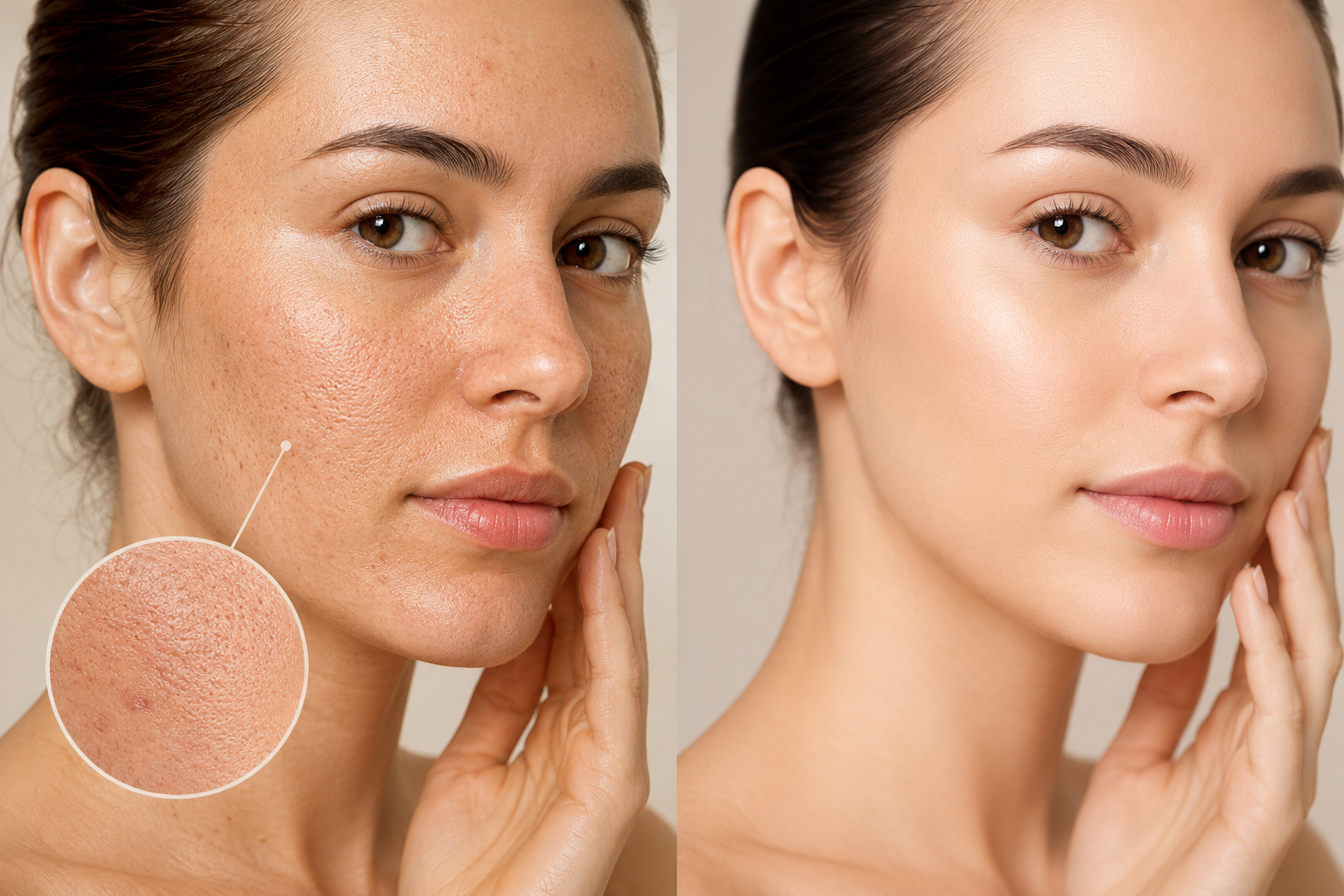
Almost everyone deals with uneven skin texture at some point in their lives. Whether it shows up as rough patches, bumps, enlarged pores, or a dull and uneven surface, textured skin is extremely common and nothing to feel embarrassed about. The good news is that with the right approach, it is possible to improve skin texture significantly over time.
Skin texture refers to the way the surface of your skin feels and looks up close. Smooth, healthy skin has a soft and even surface, while textured skin can feel rough, bumpy, or look uneven under natural light. This can be caused by a wide range of factors including dead skin cell buildup, dehydration, sun damage, aging, acne scarring, and poor skincare habits.
In this article, we will walk through the most effective and practical ways to get rid of skin texture and work toward a smoother, healthier-looking complexion.
What Causes Skin Texture?
Before diving into solutions, it helps to understand what is actually causing the texture in your skin. The causes are often a combination of several factors:
Dead skin cell buildup is one of the most common causes. The skin naturally sheds dead cells every few weeks, but sometimes this process slows down or becomes uneven, leaving a rough, dull layer on the surface.
Dehydration makes skin look flat and rough. When the skin lacks moisture, it loses its natural plumpness and the surface becomes uneven.
Sun damage over the years can thicken the skin’s outer layer, causing rough patches and an uneven tone and texture.
Acne and clogged pores can stretch the skin and leave behind marks, shallow scars, and enlarged pores that affect the overall texture.
Aging naturally reduces the skin’s collagen and elastin levels, making the surface less firm and smooth.
Poor skincare habits such as not moisturizing regularly, using harsh products, or skipping sunscreen can all contribute to textured skin over time.
Understanding the root cause of your skin texture helps you choose the most effective approach. For a deeper look at what causes uneven skin, read our guide on Understanding Uneven Skin Texture and Habits That Support Smoother Looking Skin.
1. Exfoliate Regularly — But Gently
Exfoliation is one of the most important steps in improving skin texture. It removes the layer of dead skin cells sitting on the surface, which is often the primary reason skin looks and feels rough.
There are two main types of exfoliation:
Physical exfoliation uses gentle scrubs or tools to manually buff away dead skin. This can be effective but needs to be done carefully. Over-scrubbing or using harsh particles can cause micro-tears and actually worsen texture over time.
Chemical exfoliation uses acids to dissolve the bonds between dead skin cells, making them easier to shed naturally. Common options include:
- AHAs (Alpha Hydroxy Acids) like glycolic acid and lactic acid — great for dry and textured skin as they exfoliate and hydrate at the same time
- BHAs (Beta Hydroxy Acids) like salicylic acid — ideal for oily or acne-prone skin as they can penetrate into pores
- PHAs (Polyhydroxy Acids) — the gentlest option, suitable for sensitive skin
A good rule of thumb is to exfoliate one to three times per week, depending on your skin type. Over-exfoliating can strip the skin barrier and cause more harm than good. Start slowly and pay attention to how your skin responds.
2. Moisturize Every Single Day
One of the simplest and most overlooked steps for improving skin texture is consistent daily moisturizing. Dehydrated skin looks rough, flat, and uneven. When skin is properly hydrated, it looks and feels noticeably smoother.
Look for moisturizers that contain:
- Hyaluronic acid — draws water into the skin and plumps the surface
- Ceramides — help repair and strengthen the skin barrier
- Glycerin — a gentle humectant that retains moisture
- Niacinamide — helps smooth skin and minimize the appearance of pores
Apply moisturizer twice daily — once in the morning and once at night, especially right after cleansing when the skin is still slightly damp. This helps lock in hydration more effectively.
For people looking to go deeper into hydration and natural ingredients that support smoother skin, our article on Natural Ingredients That Can Support Healthier Looking Skin is a great resource.
3. Use a Retinol or Retinoid Product
Retinol is one of the most well-researched skincare ingredients for improving skin texture. It is a form of vitamin A that works by speeding up cell turnover, helping the skin shed old cells faster and produce new ones. Over time, this smooths out the skin’s surface, reduces the appearance of pores, and improves overall texture.
Retinol also stimulates collagen production, which helps firm and plump the skin, making it look more even and youthful.
Tips for using retinol:
- Start with a low concentration (0.025% to 0.1%) and gradually increase as your skin adjusts
- Use it at night only, as it makes the skin more sensitive to sunlight
- Apply a moisturizer on top to reduce any dryness or flaking
- Expect a short adjustment period of a few weeks when starting — some redness and peeling is normal
- Always wear sunscreen the next morning
If you have sensitive skin, consider starting with a gentler alternative like bakuchiol, which is a natural plant-based ingredient that works similarly to retinol with less irritation.
4. Add Vitamin C to Your Morning Routine
Vitamin C is a powerful antioxidant that plays a major role in improving skin texture and tone. It helps brighten the skin, fade post-acne marks and uneven pigmentation, and support collagen production.
Using a vitamin C serum in the morning provides both skincare benefits and added protection against environmental damage throughout the day. Over time, it contributes to a more even, glowing, and smoother-looking complexion.
Look for stabilized forms of vitamin C such as ascorbic acid (L-AA), sodium ascorbyl phosphate, or ascorbyl glucoside. Store vitamin C products away from heat and direct light to prevent oxidation.
For a full routine that incorporates brightening ingredients like vitamin C, visit our guide on Best Natural Skincare Tips for Glowing Skin.
5. Never Skip Sunscreen
This cannot be said enough. Sun damage is one of the biggest contributors to rough, uneven skin texture over time. UV rays break down collagen, thicken the outer layer of skin, and accelerate the aging process — all of which worsen texture.
Wearing broad-spectrum SPF 30 or higher every single day, even on cloudy days or when staying indoors near windows, is one of the most powerful things you can do to prevent texture from worsening. Sunscreen also protects the progress you make with other skincare products, especially exfoliants and retinol, which can make the skin more vulnerable to UV damage.
Make sunscreen the final step of your morning skincare routine, applied after moisturizer and before makeup.
6. Try a Weekly Face Mask
Adding a targeted face mask once or twice a week can give skin texture an extra boost beyond your daily routine. Different masks serve different purposes:
Clay masks are great for oily or pore-congested skin. They help absorb excess oil, draw out impurities, and tighten the appearance of pores.
Enzyme masks gently exfoliate the surface using natural fruit enzymes from papaya or pineapple. These are a good option for sensitive skin that cannot tolerate acids.
Hydrating masks with ingredients like aloe vera, honey, or hyaluronic acid are excellent for dehydrated, rough skin. They restore moisture and give the skin a plumper, smoother appearance.
AHA masks or resurfacing masks can smooth texture more intensively when used once a week.
7. Stay Hydrated and Support Your Skin From Within
No skincare routine can fully compensate for poor internal health. What you put into your body directly affects how your skin looks and feels.
Drink enough water. Dehydration shows up quickly on the skin’s surface. Aim for at least 8 glasses of water per day. Well-hydrated skin looks plumper, softer, and smoother.
Eat antioxidant-rich foods. Fruits and vegetables high in vitamins C, E, and A support collagen production and protect skin from environmental damage.
Include healthy fats. Omega-3 fatty acids found in foods like salmon, walnuts, and flaxseeds help maintain the skin’s natural oil barrier and keep it soft.
Reduce sugar intake. High sugar consumption can trigger a process called glycation, which breaks down collagen and leads to rough, dull-looking skin over time.
Get enough sleep. The skin repairs and regenerates overnight. Chronic lack of sleep leads to dull, rough, and uneven skin.
8. Be Consistent With Your Skincare Routine
One of the biggest reasons people do not see improvement in their skin texture is inconsistency. Skincare products, especially exfoliants, retinol, and vitamin C, take time to show results. Most people need at least four to eight weeks of consistent use before noticing a real difference.
The key is to build a simple, manageable routine and stick to it. A routine does not need to be complicated or expensive to be effective.
A simple daily routine for smoother skin:
Morning:
- Gentle cleanser
- Vitamin C serum
- Lightweight moisturizer with SPF
Evening:
- Gentle cleanser
- Exfoliant (2-3 times per week only)
- Retinol (if using)
- Nourishing moisturizer or facial oil
For a detailed guide on how to build and maintain a routine that works, visit our article on the Daily Skincare Routine for Healthy Skin.
9. Avoid Common Mistakes That Worsen Texture
Sometimes the habits we think are helping are actually making things worse. Here are some common mistakes that can damage skin texture:
Over-washing the face. Washing more than twice a day strips the skin of its natural oils, disrupting the barrier and leading to dryness and rough texture.
Using products that are too harsh. Alcohol-heavy toners, aggressive scrubs, and strong acids used too frequently can break down the skin barrier and cause more texture, not less.
Picking or squeezing blemishes. This leads to post-inflammatory marks and shallow scars that affect the skin’s surface long-term.
Skipping moisturizer for oily skin. Many people with oily skin avoid moisturizer thinking it will make them more oily. In reality, skipping it often leads to dehydration, which worsens overall texture.
Not patch testing new products. Introducing multiple new products at once makes it impossible to know what is working or causing irritation. Introduce one new product at a time.
For more on what to avoid, read our detailed guide on Common Skincare Mistakes to Avoid.
10. Facial Oils That Support Smoother Skin
Incorporating the right facial oil can make a noticeable difference in skin texture. Oils help seal in moisture, support the skin barrier, and give the skin a healthy, smooth appearance over time.
Some of the best options for texture improvement include:
- Rosehip seed oil — rich in vitamin A and C, supports cell renewal and fades uneven tone
- Squalane — lightweight, fast-absorbing, and deeply hydrating without clogging pores
- Jojoba oil — balances the skin’s own oil production and keeps the surface soft
Oils are best used as the last step of an evening routine, applied after serums and before heavier moisturizers. For a full breakdown of the best oils for skincare, read our guide on Best Oils for Skincare and Healthy-Looking Skin.
How Long Does It Take to See Results?
This is one of the most common questions when it comes to improving skin texture. The honest answer is that it depends on the cause and severity of the texture, as well as the products being used.
For most people, a consistent routine with exfoliation, hydration, and targeted ingredients like retinol or vitamin C will show noticeable improvement within four to twelve weeks.
Some things to keep in mind:
- Exfoliants may show faster surface-level improvements within one to two weeks
- Retinol takes longer, often eight to twelve weeks, but the results are deeper and longer-lasting
- Sun damage and deeper texture from aging may improve more slowly
- Acne scars take the most time and may benefit from professional treatments alongside home care
Patience and consistency are truly the most important factors. Skin does not transform overnight, but with the right routine, the improvement is very real.
When to See a Dermatologist
For some people, home skincare alone may not be enough to address deeper texture concerns. If your texture is related to moderate-to-severe acne scarring, deep sun damage, or hormonal skin conditions, speaking with a dermatologist can open up additional treatment options such as chemical peels, microneedling, or prescription retinoids.
These professional treatments can accelerate results and address issues that over-the-counter products cannot fully reach. There is no shame in seeking professional support, and combining medical guidance with a solid home routine is often the most effective path.
Final Thoughts
Getting rid of skin texture is absolutely possible with the right approach, the right ingredients, and a consistent routine. The most important steps are regular but gentle exfoliation, daily moisturizing, sun protection, and the addition of proven ingredients like retinol and vitamin C.
Remember that skin texture is incredibly common and does not define your appearance. The goal is not perfection, but rather a healthier, more comfortable relationship with your skin over time.
Small, consistent changes lead to the most lasting results. Start simple, be patient, and your skin will respond.
For more skincare tips and natural health guides, explore the full Skin Care section on Wellhealthcare.