Introduction
High creatinine levels are often the first warning sign that your kidneys aren’t filtering waste as efficiently as they should. If your doctor has flagged elevated creatinine, diet is one of the most powerful and natural tools you have to support your kidneys. In this guide, we’ll explore foods that may help lower creatinine naturally, along with foods to limit and simple lifestyle habits that support long-term kidney health.
What Is Creatinine, and Why Does It Rise?
Creatinine is a waste product created by normal muscle activity. Healthy kidneys filter it out of the blood and remove it through urine. When kidney function declines, creatinine builds up in the bloodstream, signaling reduced filtration capacity. Common causes include chronic kidney disease, dehydration, high-protein diets, and certain medications.
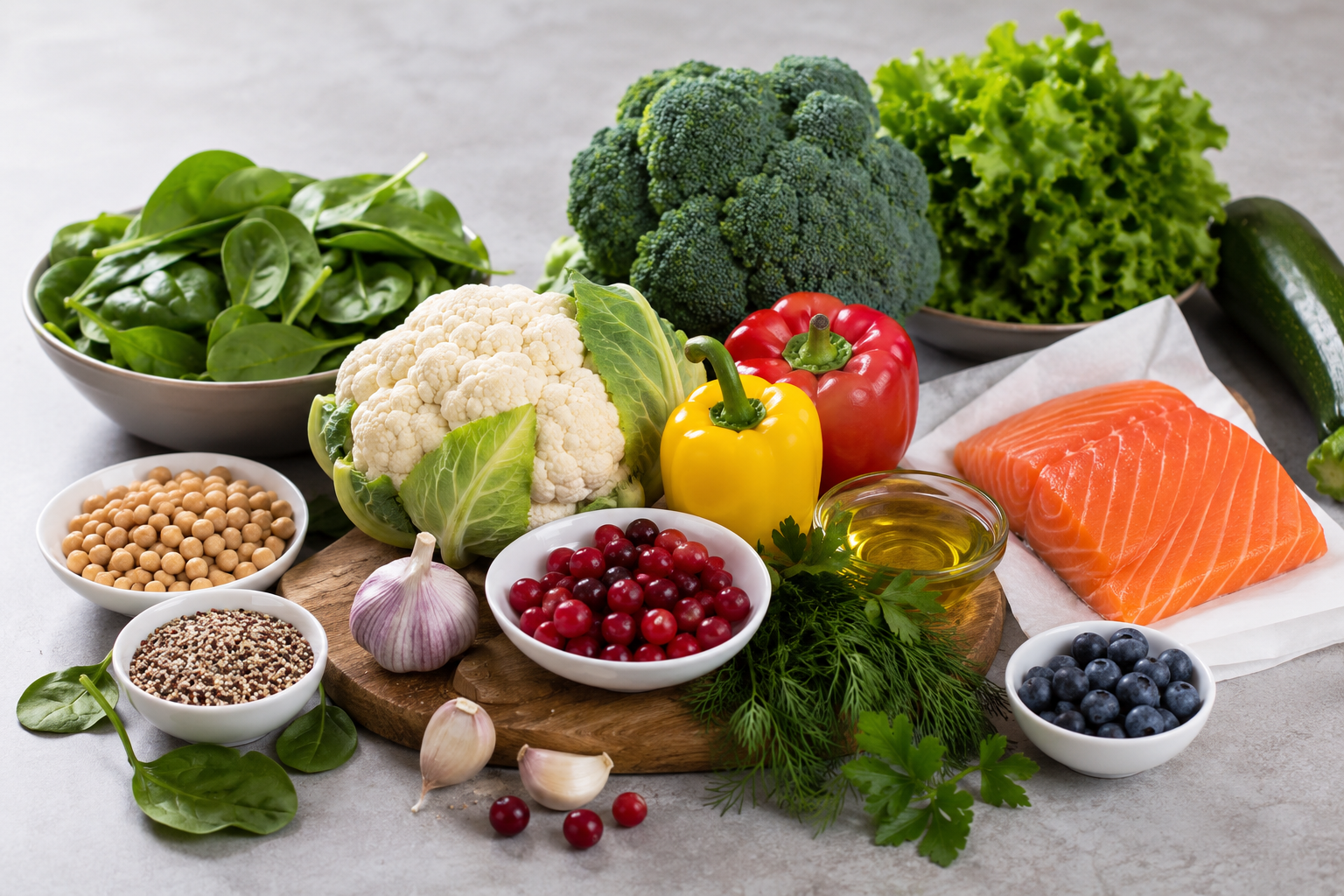
Foods That May Help Lower Creatinine Naturally
1. Cucumber
Cucumbers are over 95% water and act as a natural diuretic, helping flush out excess waste through increased urination. They’re also low in potassium and sodium, making them a safe, kidney-friendly snack.
2. Apples
Apples are rich in fiber and antioxidants and are low in potassium, sodium, and phosphorus. Their fiber content helps reduce urea and creatinine buildup by supporting healthy digestion and detoxification.
3. Cabbage
Cabbage is packed with vitamins and low in potassium, making it a great alternative to higher-potassium vegetables. It supports overall kidney health without overloading the filtration system.
4. Red Bell Peppers
Low in potassium but high in vitamin C, B6, and fiber, red bell peppers are considered one of the most kidney-friendly vegetables available.
5. Garlic
Garlic has natural anti-inflammatory and antioxidant properties. It’s also a great low-sodium flavor alternative for people trying to reduce salt intake, which indirectly supports kidney function.
6. Olive Oil
Unlike other fats, olive oil is free of phosphorus and potassium, making it a heart- and kidney-friendly cooking oil. Its anti-inflammatory properties may also support overall renal health.
7. Egg Whites
Egg whites provide high-quality protein with less phosphorus than egg yolks or other protein sources, making them a preferred protein choice for people managing creatinine levels.
8. Berries (Blueberries, Strawberries)
Berries are rich in antioxidants and relatively low in potassium compared to other fruits. Their anti-inflammatory compounds may help protect kidney tissue from oxidative stress.
9. Onions
Onions are low in potassium and rich in flavonoids, particularly quercetin, which has antioxidant properties that may support cardiovascular and kidney health.
10. Water (In Moderation)
Adequate hydration helps kidneys flush out creatinine and other waste products more efficiently. However, people with advanced kidney disease should follow their doctor’s specific fluid intake recommendations, since too much water can also be harmful.
Foods to Limit or Avoid
If you’re trying to manage creatinine levels, it’s equally important to reduce:
- Red meat and processed meats – high protein load increases creatinine production
- High-sodium foods – processed snacks, canned soups, fast food
- High-potassium foods – bananas, oranges, potatoes (in excess)
- Dairy in large amounts – high in phosphorus
- Protein supplements – unless approved by a doctor
Lifestyle Tips to Support Lower Creatinine Naturally
- Stay consistently hydrated unless advised otherwise by your doctor
- Avoid overexertion or excessive strength training, which increases muscle breakdown and creatinine production
- Limit NSAID painkillers (like ibuprofen), which can strain kidney function
- Get regular checkups to monitor kidney function through blood tests
- Manage blood pressure and blood sugar, since both directly affect kidney health
Frequently Asked Questions
Can diet alone lower creatinine levels?
Diet can support kidney function and may help reduce creatinine over time, but it should be combined with medical guidance, hydration, and treatment of any underlying condition.
How long does it take to lower creatinine naturally?
This varies by individual and the underlying cause. Some people see gradual improvement within weeks of dietary changes, while others with chronic conditions may need long-term management.
Is banana bad for high creatinine?
Bananas are high in potassium, so people with kidney issues are often advised to limit them, especially if blood potassium levels are also elevated.
Does drinking more water lower creatinine?
Proper hydration supports kidney filtration and can help flush out waste products, but excessive water intake in advanced kidney disease can be harmful always follow your doctor’s fluid guidelines.
Final Thoughts
Lowering creatinine naturally starts with a kidney-friendly diet rich in low-potassium fruits and vegetables, quality protein sources, and proper hydration — paired with limiting sodium, red meat, and processed foods. While these dietary changes can support kidney function, they work best alongside regular medical monitoring and professional guidance.
Medical Disclaimer: This article is for informational purposes only and does not replace professional medical advice. Please consult a doctor or renal dietitian before making significant changes to your diet, especially if you have existing kidney disease.