Introduction
Health is one of the most valuable parts of human life. Without good health, it becomes difficult to enjoy success, relationships, work, education, or daily activities. In today’s busy world, many people focus more on earning money and achieving goals while ignoring their physical and mental well-being. This is where health awareness becomes extremely important.
Health awareness means understanding how to stay healthy, prevent diseases, maintain good habits, and make informed decisions about the body and mind. It includes knowledge about nutrition, exercise, mental health, hygiene, sleep, medical checkups, and healthy lifestyles. When people become aware of health-related issues, they can take better care of themselves and their families.
The importance of health awareness has increased in recent years because modern lifestyles often lead to stress, unhealthy eating, lack of exercise, and serious diseases. Through proper awareness, people can avoid many health problems and improve their quality of life.
What Is Health Awareness?
Health awareness refers to having knowledge and understanding about health conditions, healthy habits, disease prevention, and wellness practices. It helps individuals recognize the importance of taking care of their bodies and minds.
Health awareness includes:
- Understanding the benefits of healthy eating
- Knowing the importance of physical activity
- Learning about mental health
- Preventing infections and diseases
- Avoiding harmful habits like smoking and excessive alcohol use
- Getting regular medical checkups
- Understanding the symptoms of common illnesses
When people are educated about health, they can make smarter decisions in their daily lives.
Importance of Health Awareness in Daily Life
1. Helps Prevent Diseases
One of the biggest benefits of health awareness is disease prevention. Many illnesses can be avoided through proper knowledge and healthy habits.
For example:
- Washing hands regularly prevents infections
- Eating healthy foods reduces the risk of obesity and diabetes
- Exercising daily improves heart health
- Vaccinations protect against dangerous diseases
- Regular checkups help detect illnesses early
Awareness teaches people how to protect themselves before health problems become serious.
2. Encourages Healthy Eating Habits
A balanced diet is essential for a healthy body. Unfortunately, many people consume fast food, sugary drinks, and processed snacks without understanding their negative effects.
Health awareness educates people about:
- Nutritional value of foods
- Importance of fruits and vegetables
- Dangers of excessive sugar and junk food
- Benefits of drinking enough water
- Portion control and balanced meals
Healthy eating improves energy levels, strengthens immunity, and lowers the risk of chronic diseases.
3. Improves Mental Health
Mental health is just as important as physical health. However, many people ignore stress, anxiety, and depression because they lack awareness.
Health awareness helps people understand:
- Signs of mental health problems
- Importance of emotional well-being
- Stress management techniques
- Need for rest and relaxation
- Benefits of talking to professionals
When mental health awareness increases, people feel more comfortable seeking help and supporting others.
4. Promotes Physical Fitness
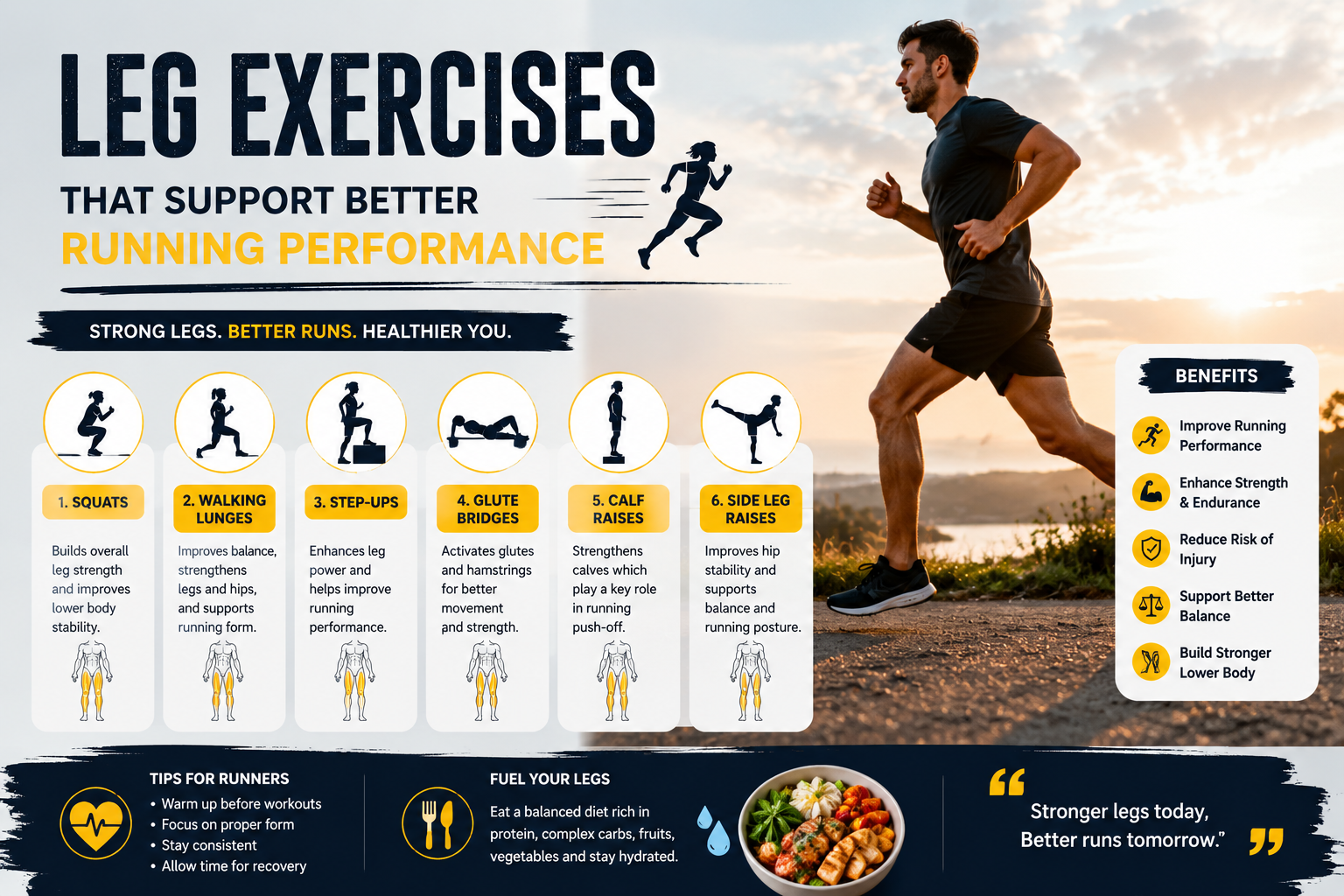
Regular exercise keeps the body strong and active. Health awareness encourages individuals to include physical activities in their daily routines.
Benefits of regular exercise include:
- Better heart health
- Strong muscles and bones
- Weight management
- Improved mood
- Increased energy
- Reduced stress
Even simple activities like walking, cycling, or stretching can greatly improve overall health.
5. Reduces Healthcare Costs
Preventive care is usually cheaper than treating serious illnesses. Health awareness encourages people to adopt healthy lifestyles that reduce the need for expensive medical treatments.
For example:
- Early detection of diseases saves treatment costs
- Healthy habits reduce hospital visits
- Proper hygiene prevents infections
- Regular exercise lowers medical risks
A healthier population also reduces the burden on healthcare systems.
Role of Health Awareness in Society
Building Healthier Communities
When people understand health issues, communities become safer and healthier. Awareness campaigns educate the public about hygiene, nutrition, vaccinations, and disease prevention.
Healthy communities experience:
- Lower disease rates
- Better productivity
- Improved quality of life
- Reduced health emergencies
Schools, workplaces, and social organizations all benefit from health education.
Preventing the Spread of Diseases
Public health awareness is essential during outbreaks and pandemics. Educating people about symptoms, safety measures, and hygiene can stop diseases from spreading quickly.
Simple awareness practices include:
- Wearing masks during outbreaks
- Washing hands properly
- Staying home when sick
- Maintaining cleanliness
These habits protect both individuals and society.
Supporting Children and Families
Parents with good health awareness can better care for their children. They understand proper nutrition, vaccinations, hygiene, and emotional support.
Healthy children are more likely to:
- Perform well in school
- Develop strong immunity
- Maintain healthy habits in adulthood
Families that focus on health often enjoy happier and more active lives.
Importance of Health Awareness in the Digital Age
The internet and social media provide access to large amounts of health information. While this can be helpful, misinformation can also spread quickly.
Health awareness helps people:
- Identify reliable health information
- Avoid dangerous myths
- Understand medical advice correctly
- Make informed health decisions
People should always rely on trusted healthcare professionals and verified sources for medical guidance.
Common Health Problems Caused by Lack of Awareness
Many health issues occur because people ignore healthy habits or do not understand the risks involved.
Some common problems include:
Obesity
Poor diet and lack of exercise can lead to obesity, which increases the risk of heart disease, diabetes, and high blood pressure.
Diabetes
Excessive sugar consumption and unhealthy lifestyles contribute to diabetes. Awareness helps people manage diet and exercise.
Heart Disease
Smoking, stress, unhealthy eating, and inactivity increase heart disease risks. Health education encourages heart-friendly habits.
Mental Stress
Ignoring mental health can lead to anxiety, depression, and emotional exhaustion.
Infectious Diseases
Poor hygiene and lack of vaccinations can spread infections quickly.
Health awareness helps reduce these problems through education and prevention.
How to Improve Health Awareness
1. Health Education
Schools and colleges should teach students about nutrition, hygiene, mental health, and fitness from an early age.
2. Community Campaigns
Public seminars, workshops, and awareness drives can educate communities about important health topics.
3. Social Media and Technology
Digital platforms can spread useful health information quickly when used responsibly.
4. Regular Medical Checkups
Doctors and healthcare professionals play a major role in educating patients about healthy lifestyles.
5. Family Support
Families should encourage healthy habits at home, including proper meals, exercise, and emotional support.
Importance of Personal Responsibility
Health awareness is not only the responsibility of governments or doctors. Every individual must take responsibility for their own health.
This includes:
- Eating nutritious foods
- Staying physically active
- Managing stress
- Sleeping properly
- Avoiding harmful substances
- Seeking medical advice when needed
Small daily habits can make a big difference over time.
Benefits of Health Awareness
Health awareness offers countless benefits for individuals and society.
Better Quality of Life
Healthy individuals enjoy more energy, happiness, and productivity.
Longer Life Expectancy
Good habits and preventive care can increase lifespan.
Stronger Immunity
A healthy lifestyle strengthens the body’s ability to fight diseases.
Improved Mental Well-Being
Awareness supports emotional balance and stress management.
Increased Productivity
Healthy people perform better at work, school, and daily activities.
Challenges in Promoting Health Awareness
Despite its importance, several challenges still exist.
Lack of Education
Many people do not have access to proper health education.
Poverty
Limited resources can make healthy food and healthcare difficult to access.
Misinformation
False health advice online can confuse people.
Busy Lifestyles
Many individuals ignore health because of work pressure and stress.
Governments, healthcare systems, schools, and media must work together to solve these challenges.
Conclusion
Health awareness is essential for living a happy, productive, and fulfilling life. It helps people prevent diseases, improve mental and physical health, and make informed decisions about their well-being. In modern society, where unhealthy lifestyles and stress are becoming more common, understanding the importance of health has never been more necessary.
By promoting healthy habits, proper nutrition, exercise, mental wellness, hygiene, and regular medical care, health awareness can improve both individual lives and entire communities. Education and awareness campaigns play a major role in building a healthier future for everyone.
Good health is not achieved by chance. It requires knowledge, effort, and responsible choices every day. When people become aware of their health and take action to protect it, they create a stronger, healthier, and more successful life for themselves and future generations.