A healthy smile is more than just an attractive feature—it reflects your overall health and daily care habits. Strong teeth and healthy gums don’t happen by chance; they are the result of consistent routines and mindful choices. By adopting the right daily habits, you can prevent cavities, gum disease, bad breath, and costly dental treatments in the future. Here are the most effective daily habits for maintaining healthy teeth.
1. Brush Your Teeth Properly Twice a Day
Brushing is the foundation of oral hygiene, but many people do it incorrectly or inconsistently. You should brush your teeth at least twice a day—once in the morning and once before bed.
Use a soft-bristled toothbrush and fluoride toothpaste. Fluoride strengthens enamel and helps prevent tooth decay. Brush for at least two minutes, making sure to clean all surfaces of your teeth: front, back, and chewing areas.
A common mistake is brushing too hard, thinking it will clean better. In reality, this can damage enamel and irritate gums. Gentle, circular motions are more effective and safer.
2. Don’t Skip Flossing
Flossing is just as important as brushing, yet it is often ignored. Your toothbrush cannot reach the tight spaces between your teeth where food particles and plaque build up.
Floss at least once a day, preferably before bedtime. It helps remove debris that can lead to cavities and gum disease. If traditional floss feels difficult, you can use floss picks or water flossers as alternatives.
Making flossing a daily habit significantly improves gum health and keeps your breath fresher.
3. Use Mouthwash for Extra Protection
Mouthwash is not a replacement for brushing or flossing, but it provides additional protection. It helps reduce bacteria, freshens breath, and strengthens enamel depending on the type you use.
Choose an alcohol-free mouthwash with fluoride for daily use. Rinse for 30 seconds after brushing and flossing. This small step adds an extra layer of cleanliness to your oral care routine.
4. Maintain a Tooth-Friendly Diet
What you eat has a direct impact on your dental health. Sugary foods and drinks are the main causes of tooth decay because they feed harmful bacteria in your mouth.
Try to reduce:
- Soft drinks and energy drinks
- Candy and sweets
- Sticky or processed snacks
Instead, include tooth-friendly foods like:
- Dairy products (milk, yogurt, cheese) for calcium
- Fresh fruits and vegetables like apples and carrots
- Nuts and seeds for minerals
- Green leafy vegetables for overall oral health
Drinking plenty of water throughout the day also helps wash away food particles and bacteria.
5. Drink Enough Water
Water is one of the simplest yet most powerful habits for healthy teeth. It helps keep your mouth hydrated, washes away food debris, and maintains saliva production.
Saliva plays a key role in protecting your teeth by neutralizing acids and preventing bacterial growth. If possible, drink water after every meal, especially if you consume sugary or acidic foods.
6. Avoid Harmful Habits
Some everyday habits can silently damage your teeth over time. Avoid:
- Smoking or tobacco use, which causes gum disease and staining
- Chewing ice or hard objects, which can crack teeth
- Using teeth as tools (like opening bottles or tearing packets)
These habits may seem harmless but can lead to serious dental issues in the long run.
7. Replace Your Toothbrush Regularly
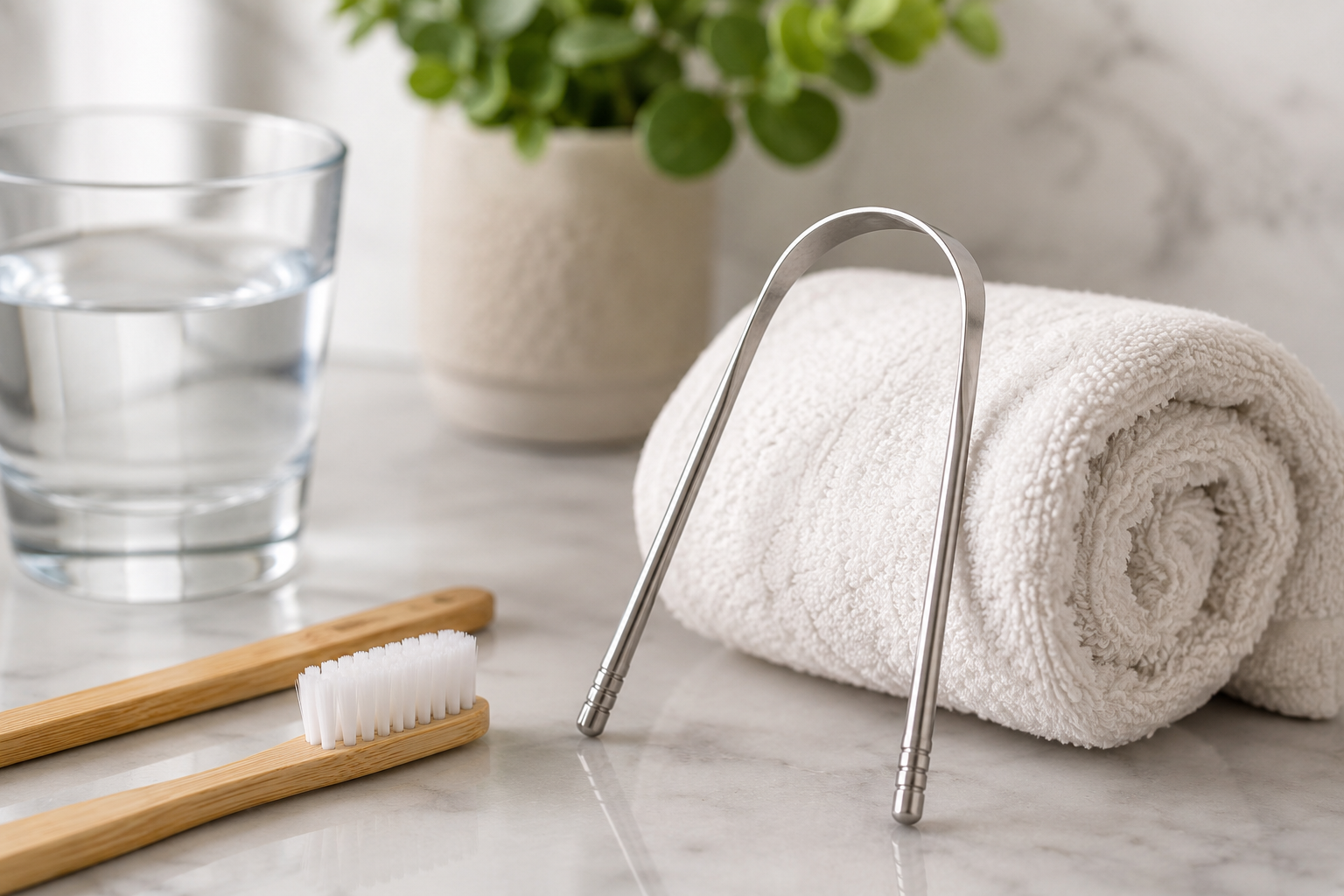
A worn-out toothbrush cannot clean effectively. Replace your toothbrush every 3 to 4 months, or sooner if the bristles are frayed.
Using an old toothbrush can also harbor bacteria, reducing the effectiveness of your oral hygiene routine. A fresh toothbrush ensures better cleaning and healthier gums.
8. Don’t Skip Dental Checkups
Even if your teeth feel fine, regular dental checkups are essential. A dentist can detect early signs of cavities, gum disease, or other oral problems before they become serious.
It is recommended to visit a dentist at least twice a year for professional cleaning and examination. This helps maintain long-term dental health and prevents expensive treatments later.
9. Protect Your Teeth at Night
Nighttime is when your mouth becomes more vulnerable because saliva production decreases. That’s why brushing before bed is extremely important.
Avoid eating or drinking sugary foods after brushing at night. This helps reduce bacteria growth while you sleep and keeps your teeth protected until morning.
Conclusion
Healthy teeth are the result of simple but consistent daily habits. Brushing properly, flossing, eating a balanced diet, and visiting the dentist regularly can make a huge difference in your oral health.
By following these daily habits, you not only protect your teeth but also improve your overall well-being. A strong, healthy smile is something you build every day one habit at a time.