Introduction
Prenatal vitamins are commonly associated with pregnancy, but many people wonder whether prenatal vitamins have benefits even when someone is not pregnant.
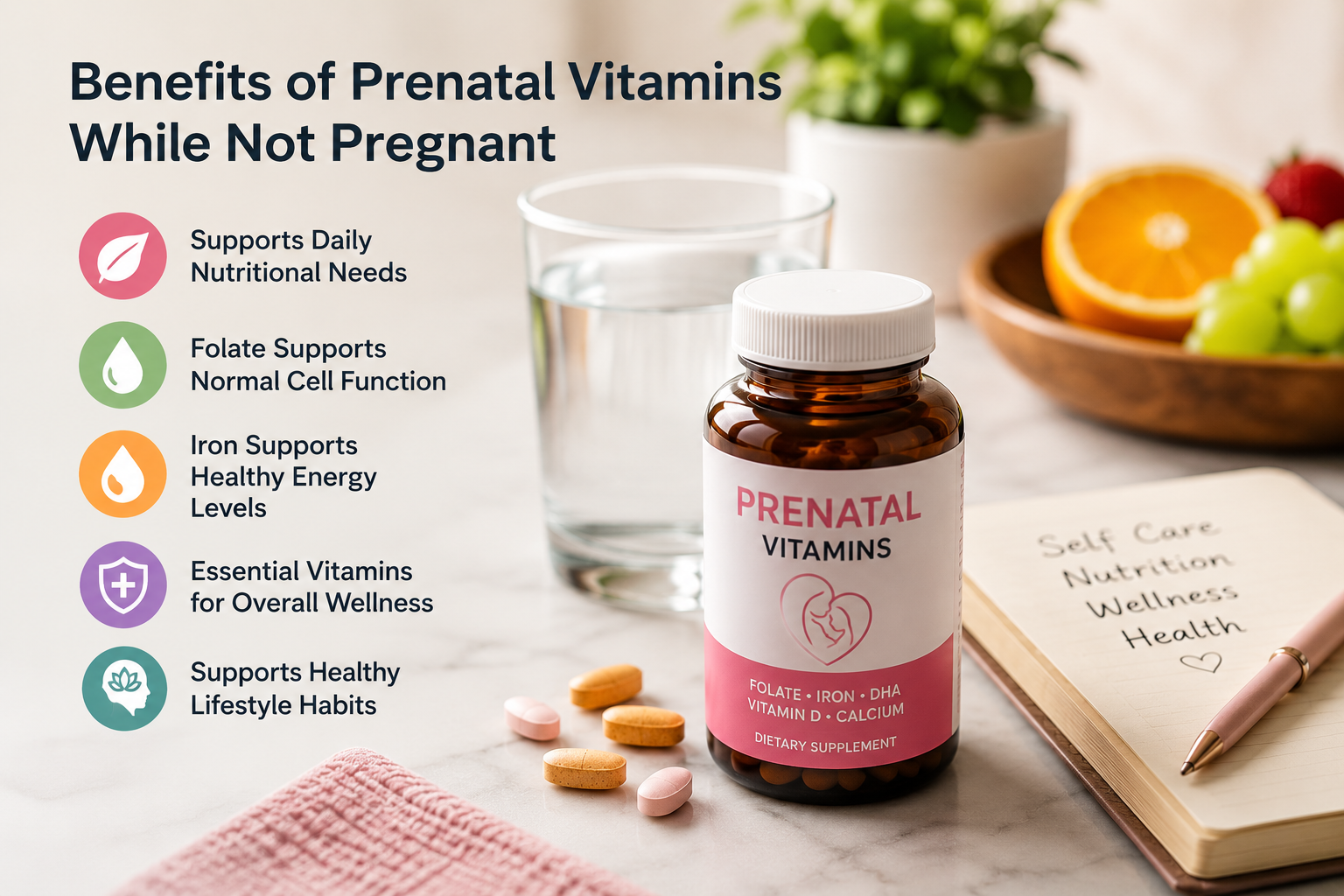
These vitamins are designed to provide important nutrients that support the body’s daily nutritional needs. Because prenatal formulas often contain vitamins and minerals such as folate, iron, and other nutrients, some people become interested in using them outside pregnancy.
However, taking prenatal vitamins should not automatically be considered necessary for everyone. Individual nutrition needs vary depending on age, eating habits, and health goals.
In this article, we explore the potential benefits of prenatal vitamins while not pregnant and important things to consider.
What Are Prenatal Vitamins?
Prenatal vitamins are dietary supplements created to provide nutrients commonly emphasized during pregnancy.
They often contain nutrients such as:
- Folate
- Iron
- Vitamin D
- Calcium
- Vitamin B vitamins
- Other supportive nutrients
These vitamins are designed to support nutritional intake when needed.
Why Do Some People Take Prenatal Vitamins While Not Pregnant?
People may consider prenatal vitamins for different reasons.
Examples include:
- Supporting daily nutrition
- Improving dietary consistency
- Filling nutrient gaps
- Maintaining wellness routines
However, prenatal vitamins are not automatically better than standard daily vitamins.
Folate Supports Normal Body Functions
One of the most recognized nutrients in prenatal vitamins is folate.
Folate plays a role in:
- Cell processes
- Normal body function
- Supporting healthy nutrition habits
Many people choose foods naturally rich in folate as part of balanced eating.
Examples include:
- Leafy vegetables
- Beans
- Citrus fruits
Iron May Support Daily Nutrition
Prenatal vitamins often contain higher amounts of iron than standard vitamins.
Iron is commonly included because it supports:
- Normal oxygen transport
- Daily nutritional balance
- Healthy eating plans
People should avoid taking extra iron unnecessarily without professional guidance.
Vitamin Support for Healthy Habits
Prenatal vitamins often contain several vitamins together.
Examples include:
- Vitamin D
- Vitamin B complex
- Calcium
Healthy eating habits remain the foundation of long-term wellness.
You can also read:
https://wellhealthcare.net/best-healthy-foods-for-daily-nutrition/
Prenatal Vitamins Are Not a Beauty Shortcut
Some people believe prenatal vitamins automatically improve:
- Hair
- Skin
- Nails
Results vary greatly between individuals.
Good sleep, nutrition, hydration, and overall wellness habits remain important factors.
You can also read:
https://wellhealthcare.net/best-natural-skincare-tips-for-glowing-skin/
Can Prenatal Vitamins Replace Healthy Eating?
No.
Supplements are not substitutes for balanced nutrition.
Healthy daily eating may include:
- Vegetables
- Fruit
- Protein sources
- Whole grains
- Water
Food quality still matters.
Things to Consider Before Taking Prenatal Vitamins
Before adding supplements to daily routines, consider:
- Current eating habits
- Existing supplements
- Nutritional goals
- Professional guidance when appropriate
More vitamins do not always mean better health.
Who May Not Need Prenatal Vitamins?
Many healthy adults who already meet nutritional needs through food may not require prenatal formulas.
Individual needs vary.
Balanced eating and healthy habits often remain the first step.
Healthy Lifestyle Habits That Matter More
Instead of focusing only on supplements:
- Sleep consistently
- Stay active
- Eat balanced meals
- Stay hydrated
- Manage stress
Long-term habits usually provide stronger wellness support.
FAQ Section
Can you take prenatal vitamins while not pregnant?
Some people do, but nutritional needs vary and supplements are not automatically necessary.
Are prenatal vitamins healthier than regular vitamins?
Not always. Prenatal formulas are designed for specific nutritional goals.
Do prenatal vitamins improve hair?
Results vary and many factors influence appearance.
Can prenatal vitamins replace food?
No. Healthy eating remains important.
Should everyone take prenatal vitamins?
No. Nutritional needs differ between individuals.
Conclusion
The potential benefits of prenatal vitamins while not pregnant depend on individual nutritional needs and lifestyle habits. Prenatal vitamins contain nutrients that support normal body functions, but they are not designed as universal wellness supplements.
Balanced eating, hydration, movement, and healthy routines remain the foundation of long-term health and wellness.