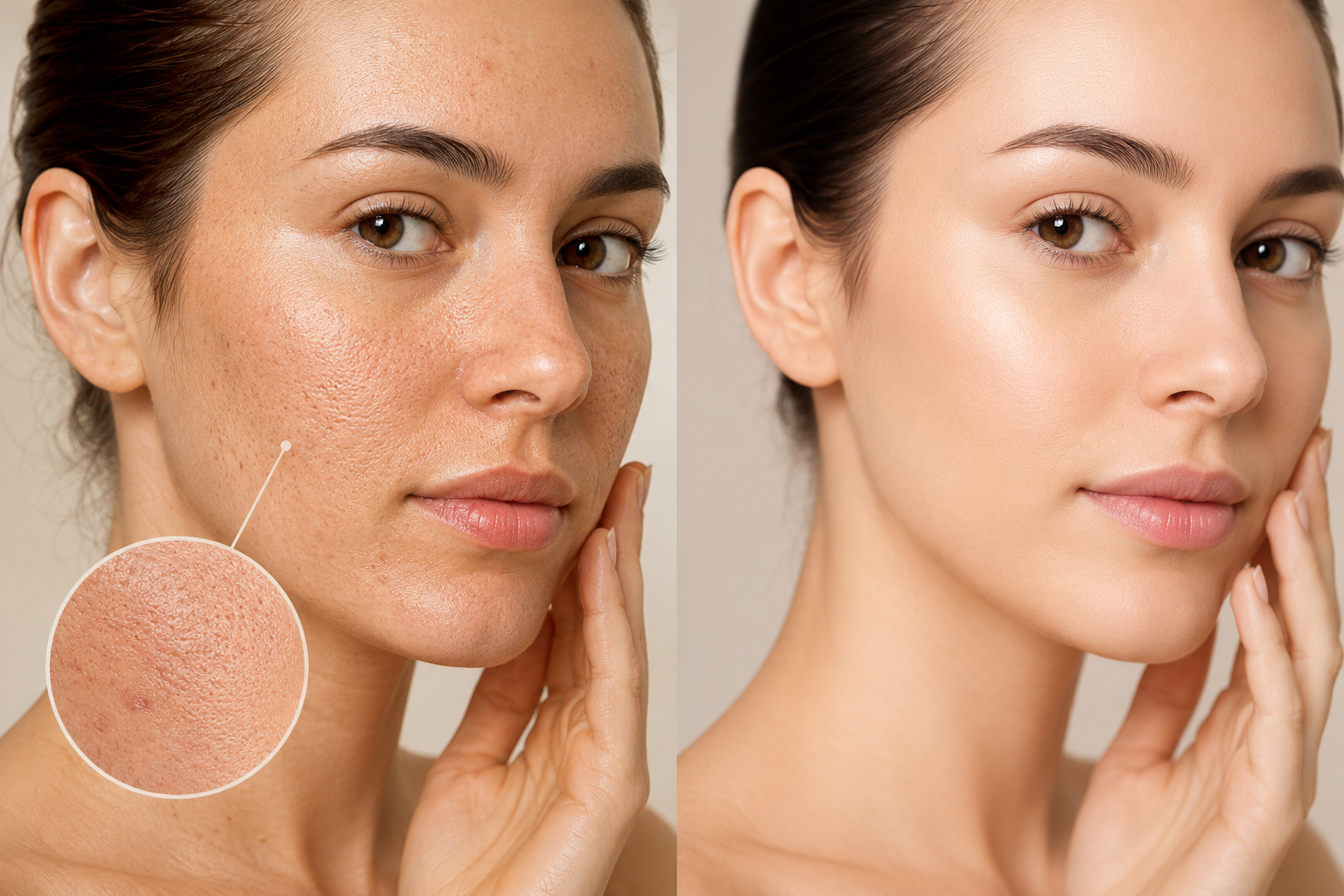
Healthy and glowing skin is something everyone wants, but dead skin buildup can make your face look dull, rough, and tired. Dead skin cells naturally accumulate on the surface of the skin due to pollution, aging, sun exposure, and improper skincare. If not removed properly, they can clog pores, cause acne, and reduce your natural glow.
The good news is that you do not always need expensive treatments to remove dead skin. There are many natural ways to exfoliate and refresh your face safely at home. In this guide, we will explain how to get rid of dead skin on the face naturally, the best home remedies, and important skincare tips for long-lasting healthy skin.
What Causes Dead Skin on the Face?
Your skin naturally sheds old cells and replaces them with new ones every few weeks. However, several factors can slow down this process, including:
- Dry weather
- Dehydration
- Excessive sun exposure
- Aging
- Lack of exfoliation
- Pollution and dirt
- Poor skincare routine
When dead skin cells stay on the surface for too long, your face may appear flaky, rough, or uneven.
Signs of Dead Skin Buildup
Here are some common signs that indicate dead skin accumulation:
- Dull complexion
- Dry or flaky patches
- Rough skin texture
- Clogged pores
- Frequent breakouts
- Uneven skin tone
- Makeup looking patchy
If you notice these symptoms, natural exfoliation methods can help restore your skin’s freshness.
Best Natural Ways to Remove Dead Skin from Face
1. Use a Gentle Sugar Scrub
Sugar works as a natural exfoliator because of its fine granules. It helps remove dead skin cells without damaging the skin barrier.
How to Use:
- Mix 1 tablespoon of sugar with 1 tablespoon of honey.
- Gently massage onto your face in circular motions for 1–2 minutes.
- Wash with lukewarm water.
Benefits:
- Removes dead skin
- Makes skin soft
- Improves blood circulation
You can use this remedy once or twice a week.
2. Apply Honey for Natural Exfoliation
Honey has antibacterial and moisturizing properties that help soften dead skin and keep the face hydrated.
Steps:
- Apply raw honey directly to your face.
- Leave it for 10–15 minutes.
- Rinse with warm water.
Why Honey Works:
- Hydrates dry skin
- Removes impurities
- Prevents acne-causing bacteria
Honey is especially useful for sensitive and dry skin types.
3. Oatmeal Face Scrub
Oatmeal is a gentle exfoliator that removes dead skin while soothing irritation.
How to Prepare:
- Mix 2 tablespoons of oatmeal with yogurt or milk.
- Apply the mixture to your face.
- Gently scrub for 2 minutes.
- Rinse thoroughly.
Benefits:
- Reduces inflammation
- Removes flaky skin
- Brightens complexion
This remedy is ideal for people with sensitive skin.
4. Aloe Vera Gel for Skin Renewal
Aloe vera is famous for its healing and skin-repairing properties. It helps remove dead cells while keeping the skin calm and moisturized.
Usage:
- Apply fresh aloe vera gel to your face.
- Leave it overnight or for at least 20 minutes.
- Wash with cool water.
Benefits:
- Soothes irritation
- Promotes new skin cell growth
- Reduces dryness
5. Use Coffee Grounds as a Natural Scrub
Coffee grounds help exfoliate dead skin and improve blood flow to the skin.
DIY Coffee Scrub:
- Mix 1 tablespoon of coffee grounds with coconut oil.
- Gently massage your face for a minute.
- Wash off with water.
Advantages:
- Removes dead skin cells
- Gives instant freshness
- Makes skin smoother
Do not scrub too hard, especially if you have acne-prone skin.
6. Steam Your Face
Facial steaming helps loosen dead skin and open clogged pores.
Method:
- Boil water and pour it into a bowl.
- Place your face over the steam for 5–10 minutes.
- Pat dry and apply moisturizer.
Benefits:
- Softens dead skin
- Cleans pores deeply
- Improves skin texture
Steaming once a week is usually enough.
7. Yogurt and Lemon Face Mask
Yogurt contains lactic acid that naturally exfoliates the skin, while lemon helps brighten dull areas.
How to Use:
- Mix 2 tablespoons of yogurt with a few drops of lemon juice.
- Apply to the face for 10 minutes.
- Wash gently with water.
Benefits:
- Removes dead skin
- Brightens skin tone
- Reduces oiliness
Avoid lemon if you have extremely sensitive skin.
Importance of Moisturizing After Exfoliation
After removing dead skin, your face needs hydration to stay healthy and smooth. Natural moisturizers can help lock in moisture and prevent dryness.
Best Natural Moisturizers:
- Coconut oil
- Aloe vera gel
- Shea butter
- Almond oil
Hydrated skin heals faster and looks more radiant.
Foods That Help Improve Skin Naturally
Healthy skin also depends on your diet. Eating nutrient-rich foods can support skin renewal from within.
Best Foods for Healthy Skin:
- Avocados
- Nuts and seeds
- Fresh fruits
- Green vegetables
- Fish rich in omega-3
- Water-rich foods like cucumber and watermelon
Drinking enough water daily also helps flush toxins from the body and keeps your skin fresh.
Mistakes to Avoid While Removing Dead Skin
Many people damage their skin by over-exfoliating or using harsh ingredients.
Avoid These Common Mistakes:
- Scrubbing too aggressively
- Exfoliating every day
- Using very hot water
- Skipping moisturizer
- Using harsh chemical products frequently
Gentle care is always better for long-term skin health.
How Often Should You Exfoliate?
The frequency depends on your skin type:
| Skin Type | Recommended Exfoliation |
|---|---|
| Oily Skin | 2–3 times weekly |
| Dry Skin | 1–2 times weekly |
| Sensitive Skin | Once weekly |
| Combination Skin | 2 times weekly |
Over-exfoliation can cause redness, irritation, and breakouts.
Natural Skincare Routine for Removing Dead Skin
Here is a simple skincare routine you can follow:
Morning Routine
- Wash face with a gentle cleanser
- Apply aloe vera or light moisturizer
- Use sunscreen before going outside
Night Routine
- Clean your face properly
- Use a natural scrub 1–2 times weekly
- Apply moisturizer before sleeping
Consistency is the key to healthy skin.
Can Dead Skin Cause Acne?
Yes, dead skin can clog pores and trap oil and bacteria, which may lead to acne and blackheads. Regular natural exfoliation helps keep pores clean and reduces breakouts.
However, people with active acne should avoid harsh scrubbing because it can worsen irritation.
When Should You See a Dermatologist?
Natural remedies work well for mild dead skin buildup, but professional advice may be necessary if you experience:
- Severe skin irritation
- Painful acne
- Persistent dryness
- Skin infections
- Allergic reactions
A dermatologist can recommend suitable treatments according to your skin condition.
Final Thoughts
Dead skin buildup is a common skincare issue, but it can be managed naturally with proper care and regular exfoliation. Simple ingredients like honey, oatmeal, aloe vera, coffee, and yogurt can help remove dead skin cells safely and effectively.
The key is to exfoliate gently, stay hydrated, eat healthy foods, and maintain a consistent skincare routine. Natural remedies may take time, but they are often safer and more affordable for long-term skin health.
By following these tips, you can achieve smoother, brighter, and healthier-looking skin naturally.