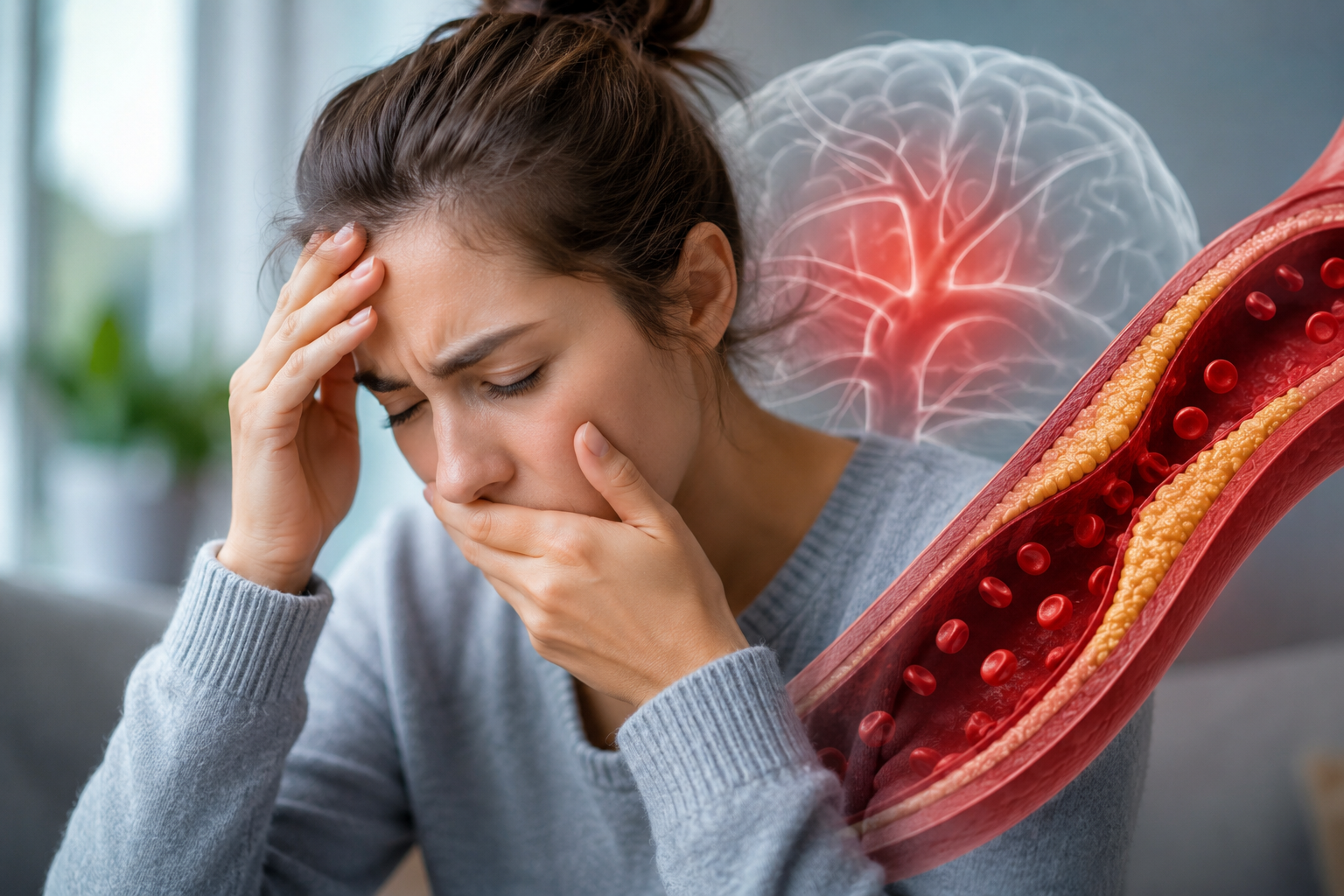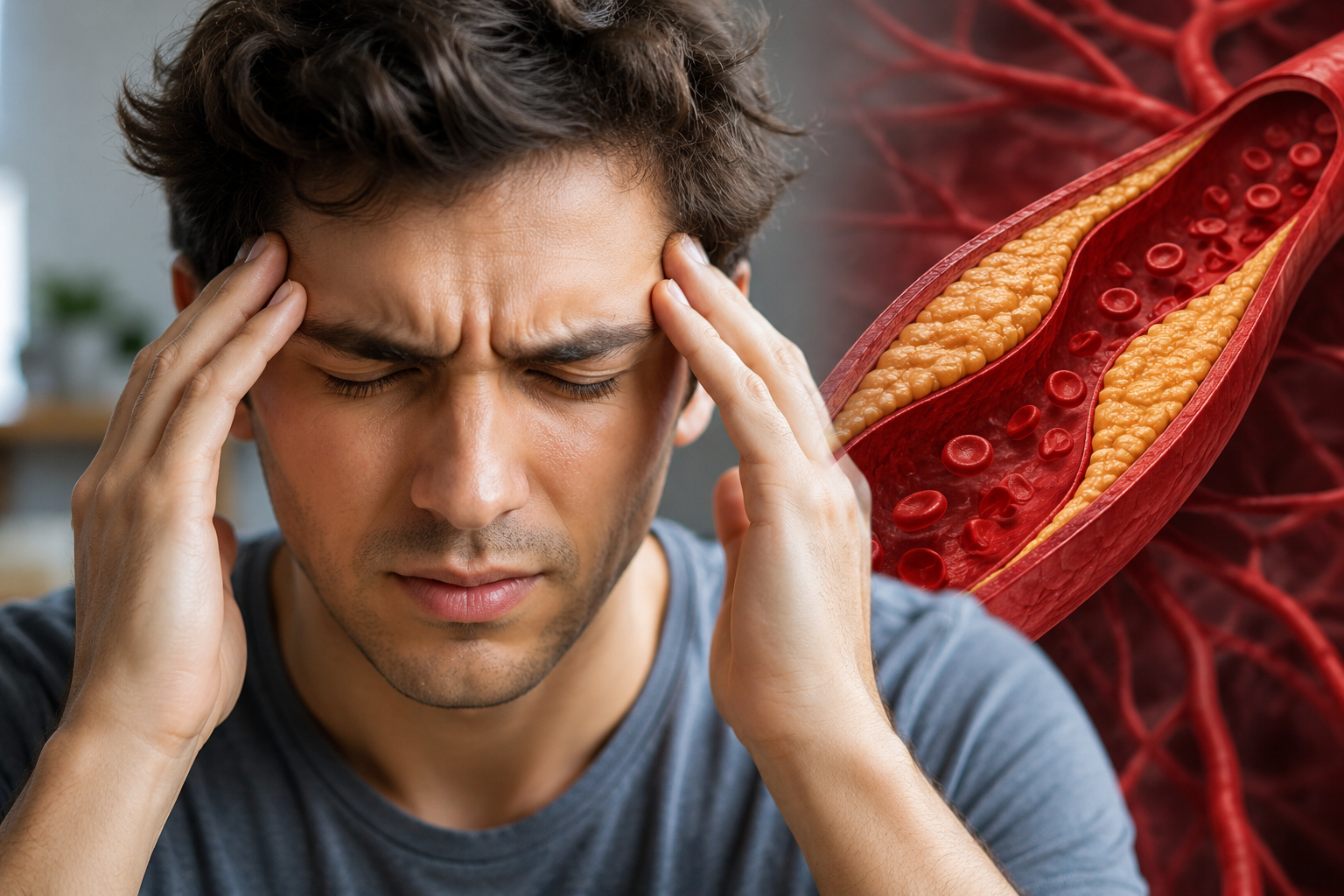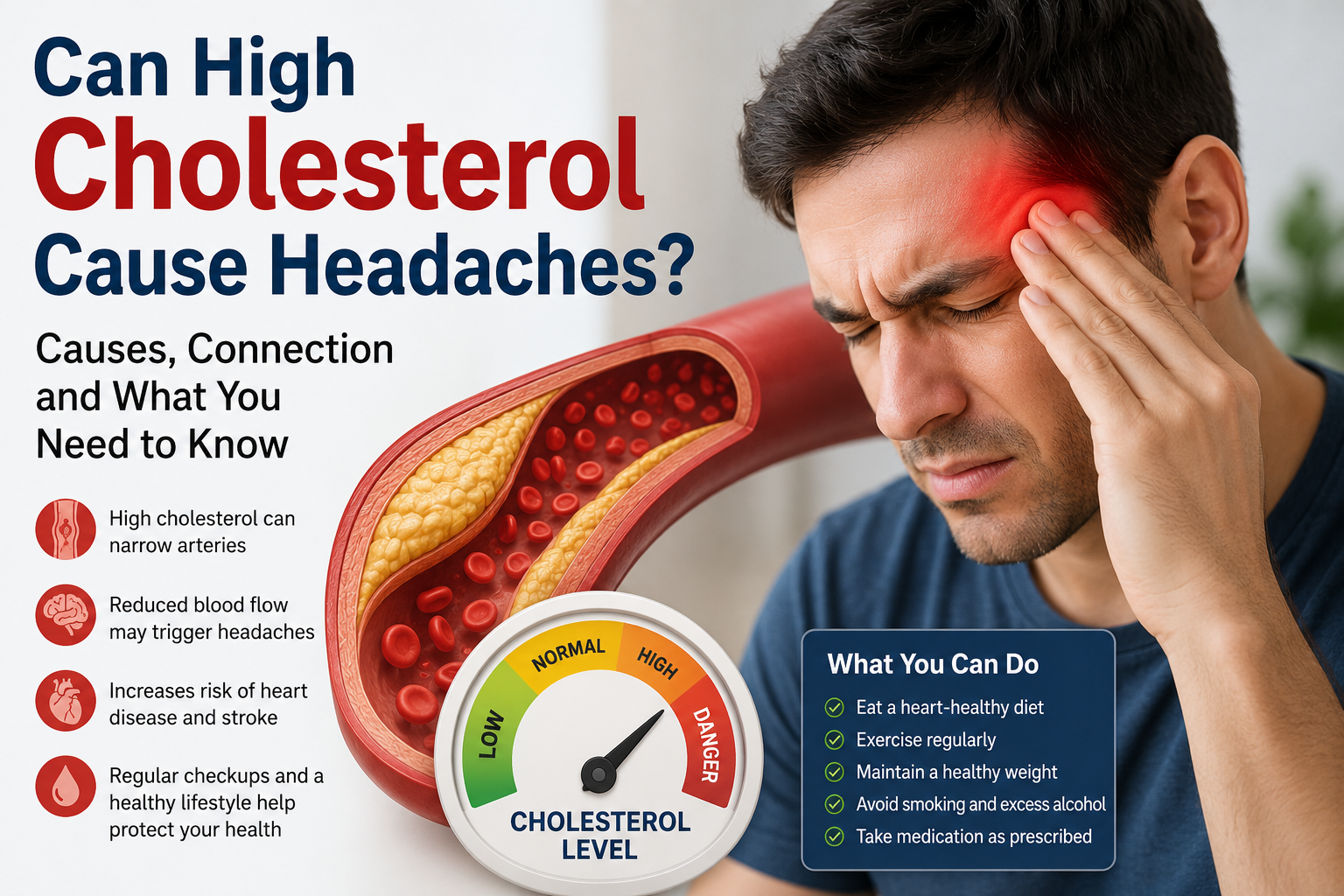
High cholesterol is one of the leading risk factors for heart disease and stroke, yet it rarely causes noticeable symptoms. Many people who experience frequent headaches wonder if high cholesterol is the reason behind their discomfort. Although high cholesterol does not directly trigger headaches, it can contribute to health conditions that may lead to head pain over time.
Understanding the relationship between cholesterol and headaches is important because persistent headaches may signal another underlying condition that requires medical attention. Learning the warning signs, risk factors, and treatment options can help you protect both your heart and overall health.
What Is High Cholesterol?
Cholesterol is a waxy substance that your body needs to build healthy cells, produce hormones, and support normal bodily functions. Your liver naturally makes cholesterol, while additional cholesterol comes from foods such as meat, dairy products, and processed foods.
There are two main types of cholesterol:
- LDL (Low-Density Lipoprotein): Often called bad cholesterol because it can build up inside artery walls.
- HDL (High-Density Lipoprotein): Known as good cholesterol because it helps remove excess cholesterol from the bloodstream.
When LDL levels remain high for many years, fatty deposits can narrow the arteries and reduce healthy blood flow.
Does High Cholesterol Cause Headaches?
High cholesterol alone is not considered a direct cause of headaches. Most people with elevated cholesterol have no symptoms until complications develop.
However, cholesterol buildup inside the arteries may reduce blood circulation. If reduced blood flow affects the brain or contributes to high blood pressure, some individuals may experience headaches along with other symptoms.
For this reason, headaches should never be used as the only indicator of high cholesterol.
Conditions That May Link Cholesterol to Headaches
Several health conditions associated with high cholesterol may increase the likelihood of headaches.
These include:
- High blood pressure
- Atherosclerosis (hardening of the arteries)
- Reduced blood flow
- Stroke
- Transient ischemic attack (TIA)
If headaches occur with chest pain, weakness, confusion, blurred vision, or difficulty speaking, seek emergency medical care immediately.
Common Symptoms of High Cholesterol
High cholesterol is often called a silent condition because it usually causes no symptoms during its early stages.
As complications develop, some people may experience:
- Chest pain
- Shortness of breath
- Pain while walking
- Fatigue
- Heart attack
- Stroke
Routine blood testing is the only reliable way to know whether your cholesterol levels are healthy.
Other Reasons You May Have Headaches
Most headaches are caused by factors unrelated to cholesterol.
Common causes include:
- Dehydration
- Stress
- Anxiety
- Migraine
- Lack of sleep
- Eye strain
- Sinus infections
- High blood pressure
- Certain medications
- Excess caffeine
Because headaches have many possible causes, persistent or severe headaches should always be evaluated by a healthcare professional.
Who Is at Risk for High Cholesterol?
Anyone can develop high cholesterol, but certain factors increase the risk.
These include:
- Eating foods high in saturated fat
- Lack of physical activity
- Obesity
- Smoking
- Diabetes
- Kidney disease
- Family history of high cholesterol
- Older age
Managing these risk factors can significantly improve heart health.
How Is High Cholesterol Diagnosed?
Doctors diagnose high cholesterol with a lipid profile blood test.
This test measures:
- Total cholesterol
- LDL cholesterol
- HDL cholesterol
- Triglycerides
Adults should have their cholesterol checked regularly, especially if they have other cardiovascular risk factors.
How to Lower High Cholesterol Naturally
Healthy lifestyle changes can reduce cholesterol levels and improve overall cardiovascular health.
Simple steps include:
- Eat more fruits and vegetables.
- Choose whole grains instead of refined grains.
- Increase fiber intake.
- Eat healthy fats from fish and nuts.
- Limit fried and processed foods.
- Exercise regularly.
- Maintain a healthy weight.
- Stop smoking.
- Reduce sugary drinks and snacks.
These habits also lower the risk of heart disease and stroke.
When Should You See a Doctor?
Schedule a medical evaluation if you experience:
- Frequent headaches with high blood pressure
- Chest pain
- Blurred vision
- Difficulty speaking
- Sudden weakness
- Severe dizziness
- Shortness of breath
These symptoms may indicate a serious medical condition requiring immediate treatment.
Frequently Asked Questions
Can high cholesterol cause daily headaches?
No. High cholesterol is not a common direct cause of daily headaches. Most headaches result from other medical or lifestyle factors.
Can blocked arteries trigger headaches?
Reduced blood flow caused by narrowed arteries may contribute to headaches in some situations, but it is not a typical symptom of high cholesterol.
What is the fastest way to lower cholesterol?
Healthy eating, regular exercise, weight management, and prescribed medications (when needed) are the most effective ways to lower cholesterol.
Which foods should I avoid with high cholesterol?
Limit fried foods, processed meats, pastries, butter, full-fat dairy products, and foods containing trans fats.
Conclusion
High cholesterol does not usually cause headaches directly, but it can contribute to serious conditions that affect blood circulation and cardiovascular health. If you have frequent headaches, it is important to identify the actual cause instead of assuming cholesterol is responsible. Regular cholesterol testing, a balanced diet, physical activity, and routine medical checkups are the best ways to protect your heart and reduce the risk of long-term complications.