High cholesterol is often called a “silent condition” because it usually causes no noticeable symptoms. However, many people who have high cholesterol wonder whether it can lead to dizziness and nausea. While high cholesterol itself does not directly cause these symptoms, it can contribute to health conditions that reduce blood flow to the brain and other organs, increasing the risk of dizziness or feeling sick.
If dizziness or nausea occurs frequently, it is important to identify the underlying cause instead of assuming cholesterol is responsible. Early diagnosis can help prevent serious complications such as heart disease or stroke.
Does High Cholesterol Directly Cause Dizziness?
No. High cholesterol alone does not usually cause dizziness. Most people with elevated cholesterol have no symptoms for many years.
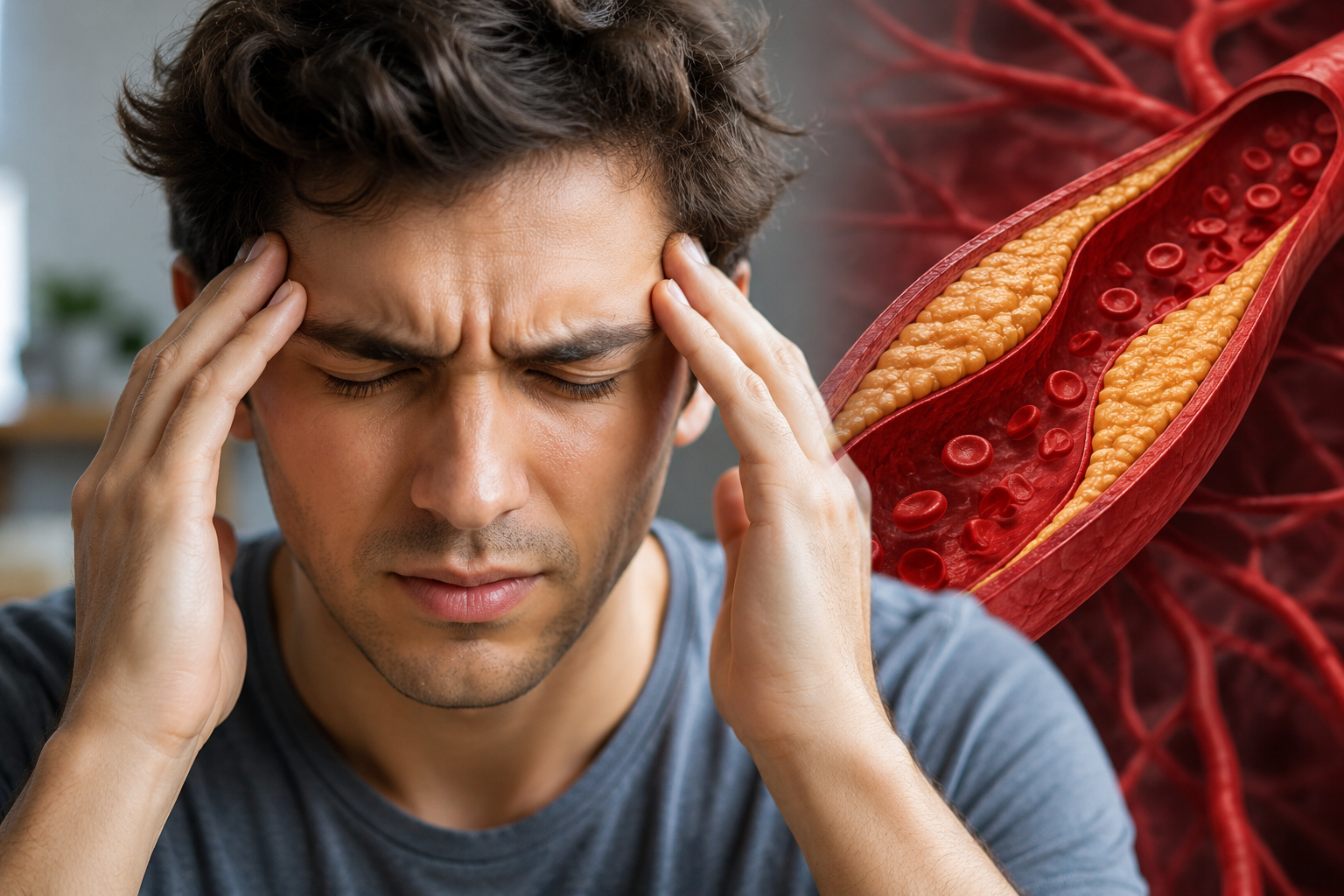
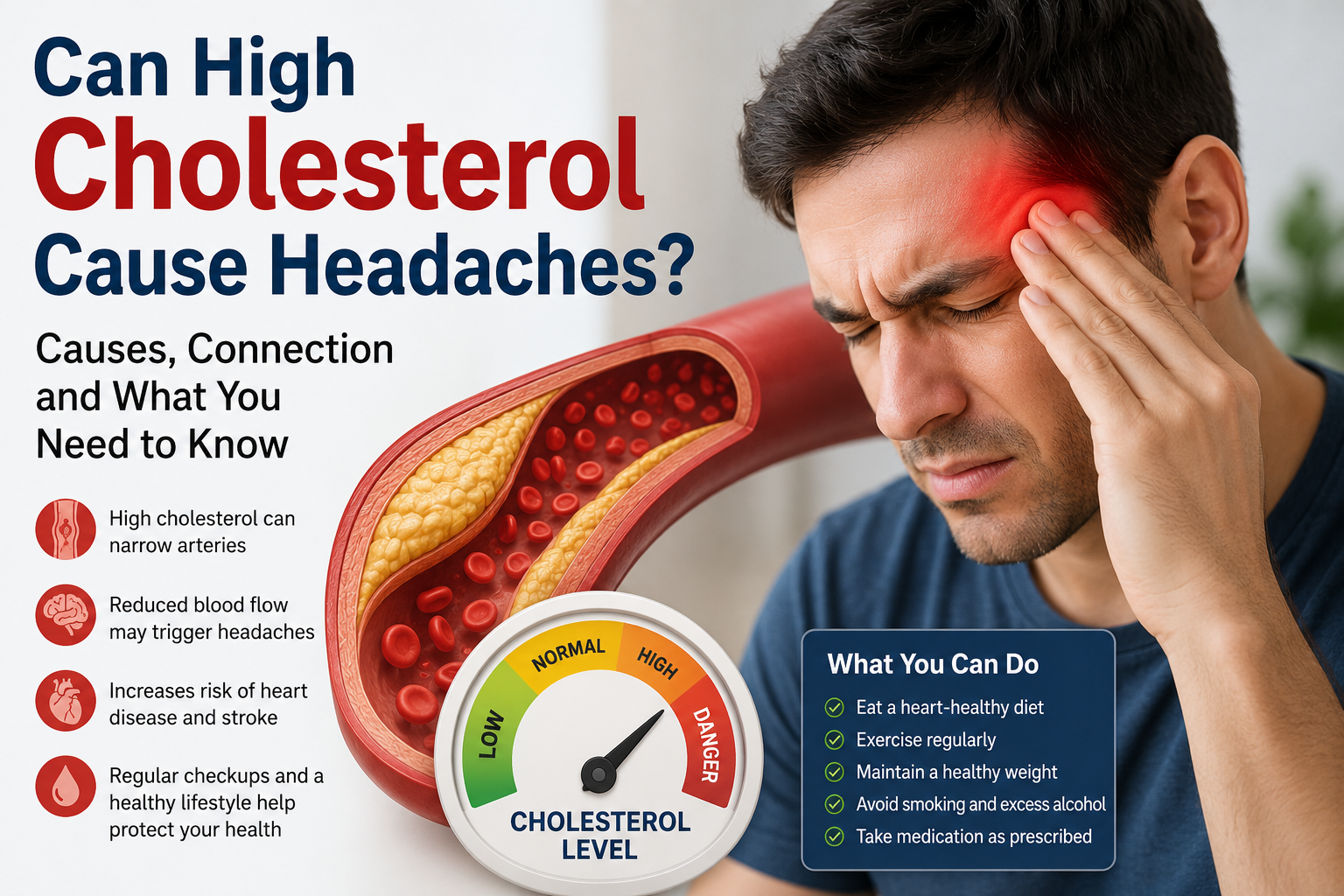
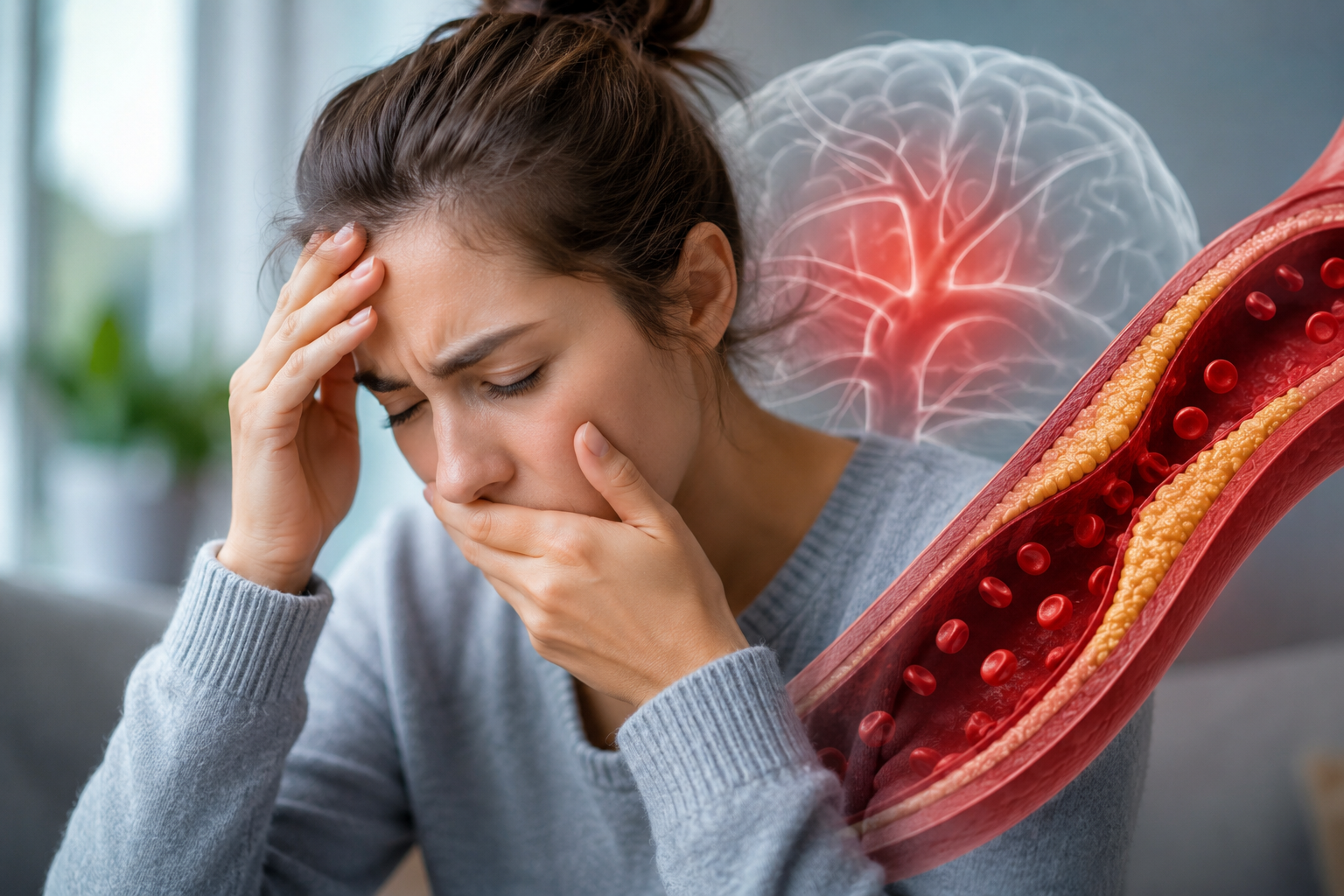
However, untreated high cholesterol can contribute to atherosclerosis, a condition in which fatty deposits build up inside the arteries. As blood vessels become narrower, blood flow may decrease, especially if high cholesterol is combined with high blood pressure or heart disease.
Reduced circulation may increase the likelihood of symptoms such as:
- Feeling lightheaded
- Loss of balance
- Fatigue
- Blurred vision
- Occasional dizziness
These symptoms should always be evaluated by a healthcare professional.
Can High Cholesterol Cause Nausea?
Nausea is not a common symptom of high cholesterol. However, it may occur if high cholesterol contributes to a more serious medical condition.
Possible complications include:
- Heart attack
- Stroke
- Poor circulation
- Peripheral artery disease
Nausea accompanied by chest pain, sweating, or shortness of breath requires immediate emergency medical attention.
Other Common Causes of Dizziness and Nausea
Many everyday conditions are far more likely to cause these symptoms than high cholesterol.
Common causes include:
- Low blood sugar
- Dehydration
- Inner ear disorders
- Migraine
- Viral infections
- Anxiety
- Low blood pressure
- Medication side effects
- Pregnancy
- Food poisoning
Because the causes vary widely, a medical evaluation is important if symptoms persist.
Who Is at Risk?
Your risk of developing high cholesterol increases if you:
- Eat a diet high in saturated fats
- Smoke cigarettes
- Are overweight
- Have diabetes
- Have high blood pressure
- Exercise very little
- Have a family history of heart disease
Managing these risk factors can improve your long-term cardiovascular health.
How Is High Cholesterol Diagnosed?
High cholesterol is diagnosed using a lipid profile blood test, which measures:
- Total cholesterol
- LDL (bad cholesterol)
- HDL (good cholesterol)
- Triglycerides
Regular screening is recommended for adults, particularly those with additional cardiovascular risk factors.
Ways to Lower Cholesterol Naturally
Healthy lifestyle choices remain the most effective way to improve cholesterol levels.
Helpful habits include:
- Eat more vegetables, fruits, and whole grains.
- Increase fiber intake.
- Choose lean protein sources.
- Eat fish rich in omega-3 fatty acids.
- Exercise regularly.
- Maintain a healthy weight.
- Stop smoking.
- Limit processed foods and sugary drinks.
These changes support both heart health and overall well-being.
When Should You See a Doctor?
Seek medical advice if dizziness or nausea is accompanied by:
- Chest pain
- Shortness of breath
- Severe headache
- Difficulty speaking
- Weakness on one side of the body
- Loss of consciousness
- Blurred vision
These symptoms may indicate a serious medical emergency and should not be ignored.
Frequently Asked Questions
Can high cholesterol make you feel dizzy every day?
High cholesterol itself usually does not cause daily dizziness. Persistent dizziness should be evaluated to identify the actual cause.
Can blocked arteries cause dizziness?
Yes. Narrowed arteries may reduce blood flow to the brain, which can contribute to dizziness in some people.
Is nausea a warning sign of high cholesterol?
Not directly. Nausea is more commonly associated with other medical conditions, but it may occur during serious cardiovascular events such as a heart attack.
How can I reduce my cholesterol naturally?
Eating a balanced diet, exercising regularly, maintaining a healthy weight, and avoiding smoking are among the best ways to improve cholesterol levels.
Conclusion
High cholesterol does not directly cause dizziness or nausea, but it can contribute to conditions that reduce blood flow and increase the risk of cardiovascular disease. If you experience persistent dizziness, nausea, or other concerning symptoms, consult a healthcare professional for a proper evaluation. Early diagnosis, regular cholesterol screening, and healthy lifestyle choices remain the best ways to protect your heart and overall health.
Related Articles: