High cholesterol is a common health condition that affects millions of people worldwide. Because it often develops without noticeable symptoms, many people are surprised when a routine blood test reveals elevated cholesterol levels. A common question is whether high cholesterol can actually cause headaches.
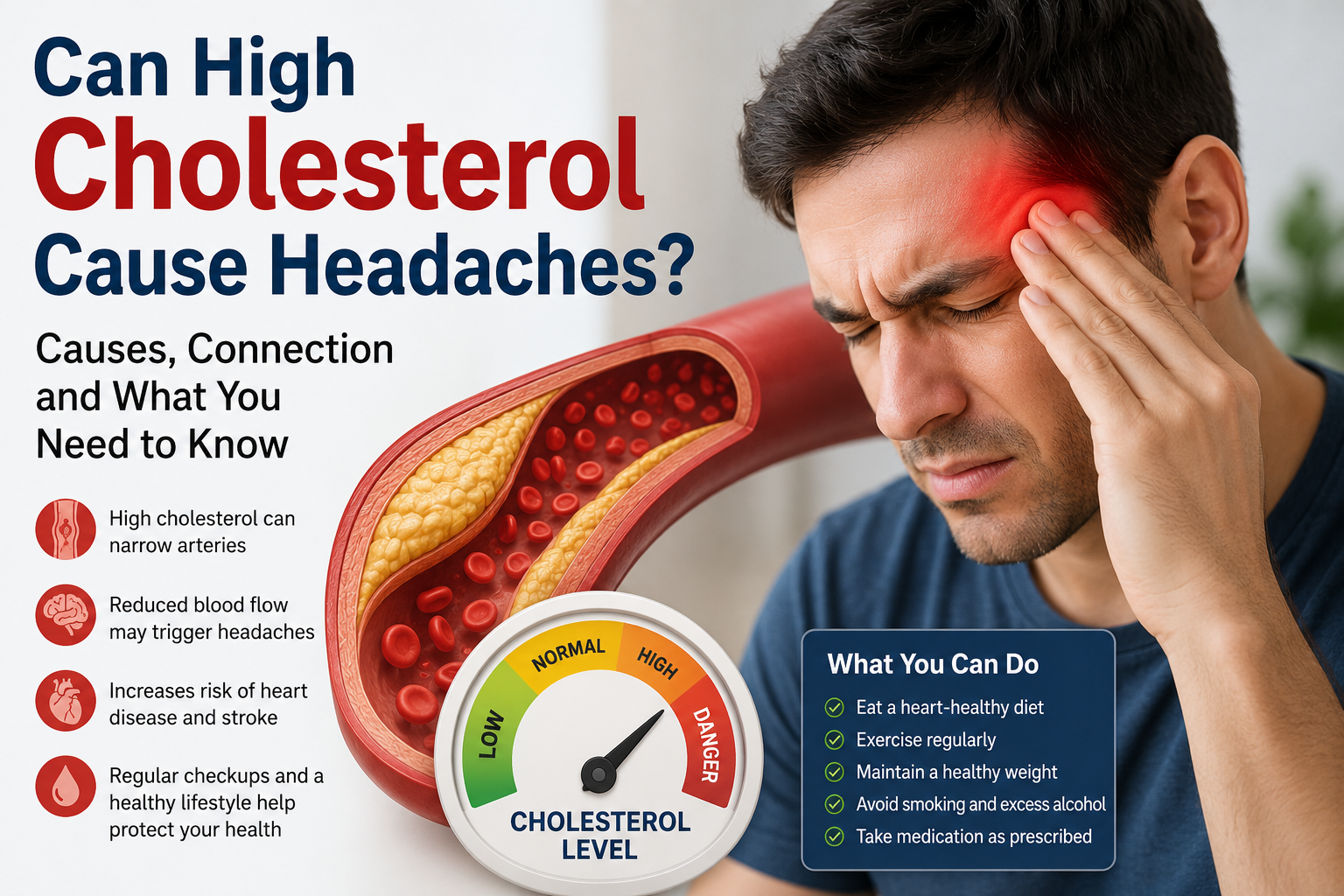
The short answer is not directly. High cholesterol itself usually doesn’t trigger headaches. However, it can contribute to narrowed arteries, poor circulation, and other cardiovascular conditions that may increase the risk of headaches in some individuals. Understanding this connection can help you know when a headache is harmless and when it may require medical attention.
Does High Cholesterol Really Cause Headaches?
Medical research shows that high cholesterol is generally considered a silent condition, meaning it usually causes no obvious symptoms. Unlike migraines or tension headaches, high cholesterol does not directly affect pain-sensitive structures in the head.
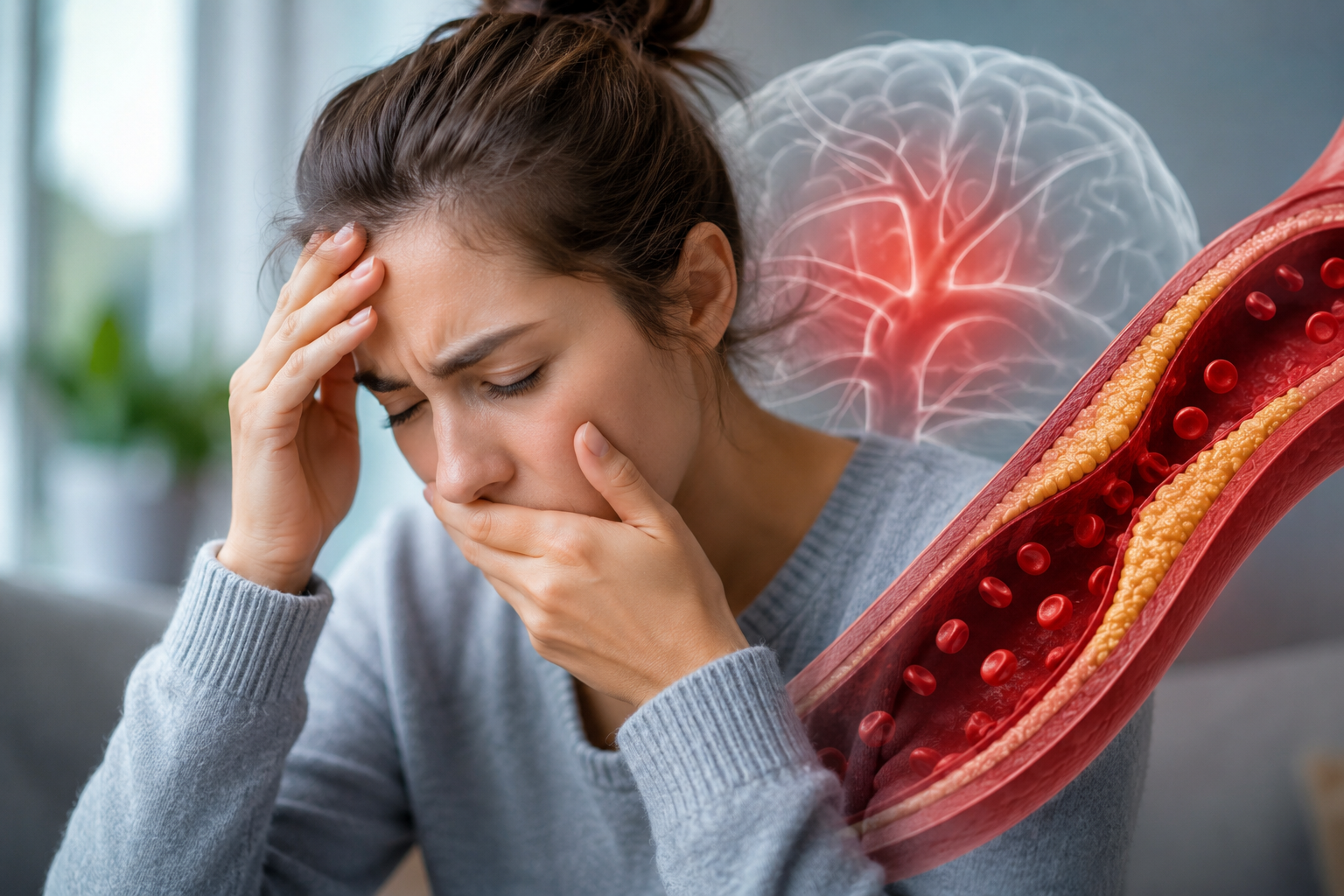
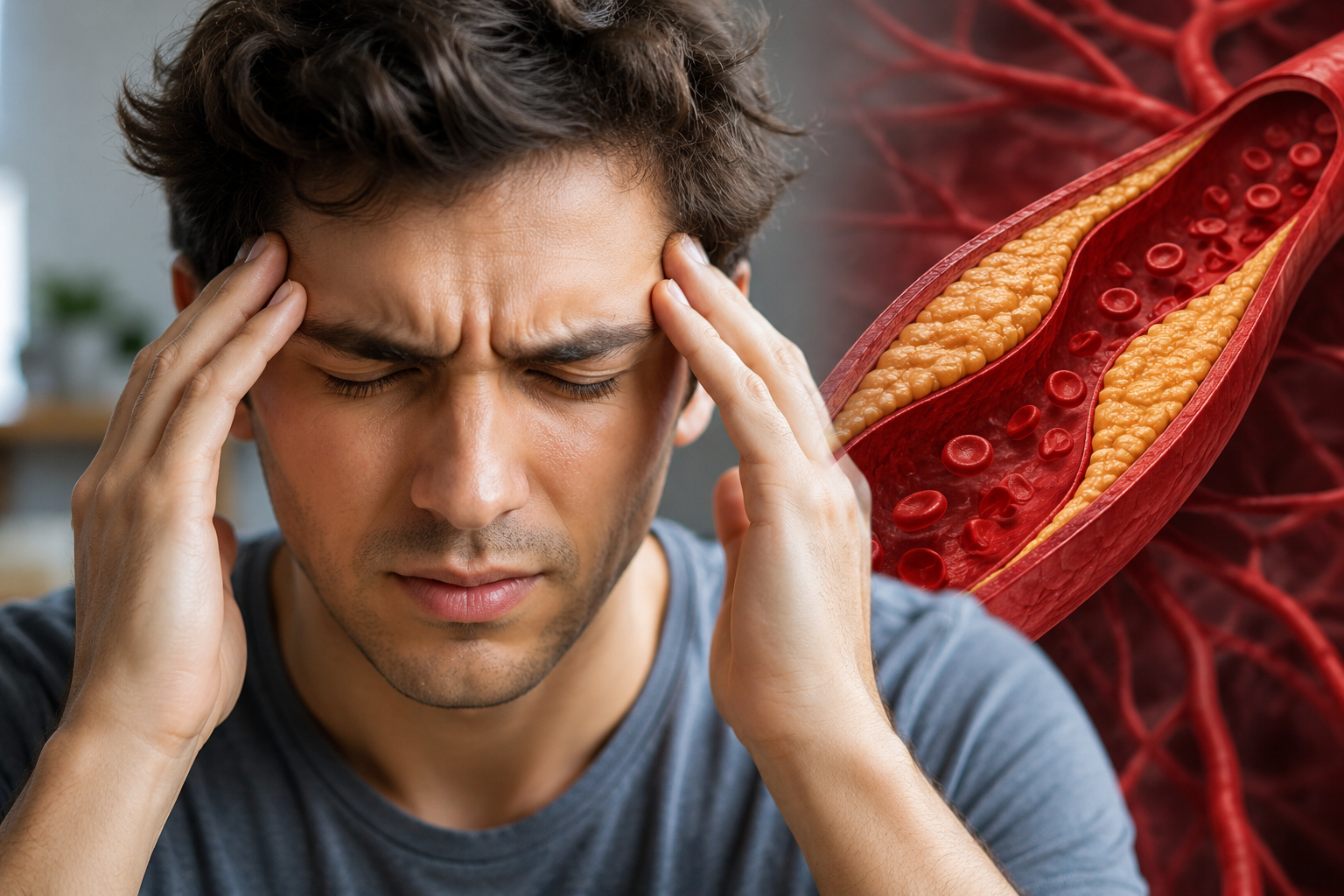
However, cholesterol can build up inside blood vessels over time. This process, known as atherosclerosis, narrows the arteries and reduces healthy blood flow. When circulation becomes poor or complications such as high blood pressure develop, some people may experience headaches as an indirect symptom.
For this reason, headaches should never be used to diagnose high cholesterol.
Why High Cholesterol Is Dangerous
Even without symptoms, untreated high cholesterol can damage your cardiovascular system for years.
Possible complications include:
- Heart attack
- Stroke
- Peripheral artery disease
- High blood pressure
- Reduced blood flow
- Coronary artery disease
Routine cholesterol screening helps detect problems before serious complications occur.
Symptoms That May Require Immediate Medical Attention
Although high cholesterol itself is usually symptom-free, seek emergency medical care if a headache occurs together with:
- Sudden weakness on one side of the body
- Difficulty speaking
- Blurred or double vision
- Severe dizziness
- Chest pain
- Shortness of breath
- Confusion
- Loss of balance
These symptoms may indicate a stroke or another medical emergency.
What Else Can Cause Frequent Headaches?
Most headaches are caused by conditions unrelated to cholesterol.
Common causes include:
- Migraine
- Stress
- Anxiety
- Dehydration
- Poor sleep
- Eye strain
- Sinus infections
- High blood pressure
- Excess caffeine
- Certain medications
A healthcare provider can help determine the exact cause if headaches become frequent or severe.
How Is High Cholesterol Diagnosed?
A simple lipid profile blood test measures:
- Total cholesterol
- LDL (bad cholesterol)
- HDL (good cholesterol)
- Triglycerides
Adults should have their cholesterol checked regularly, especially if they have diabetes, obesity, high blood pressure, or a family history of heart disease.
Tips to Maintain Healthy Cholesterol
You can improve your cholesterol levels by adopting healthy daily habits.
Helpful lifestyle changes include:
- Eat more fruits and vegetables.
- Increase soluble fiber intake.
- Choose lean protein sources.
- Replace saturated fats with healthy fats.
- Exercise regularly.
- Maintain a healthy weight.
- Quit smoking.
- Limit sugary and processed foods.
These habits reduce the risk of heart disease and improve overall health.
Frequently Asked Questions
Can high cholesterol cause headaches every day?
No. Daily headaches are usually caused by other medical conditions. High cholesterol alone rarely causes headaches.
Can blocked arteries lead to headaches?
Reduced blood flow from narrowed arteries may contribute to headaches in some situations, but it is not a common symptom.
How can I tell if my cholesterol is high?
High cholesterol usually has no symptoms. A blood test is the only reliable way to know your cholesterol levels.
Can lowering cholesterol improve overall health?
Yes. Healthy cholesterol levels reduce the risk of heart attack, stroke, and other cardiovascular diseases.
Conclusion
High cholesterol does not directly cause headaches, but it can contribute to conditions that affect blood circulation and cardiovascular health. Because high cholesterol often develops without symptoms, regular blood tests are essential for early detection. Eating a balanced diet, staying physically active, and following your healthcare provider’s recommendations are the best ways to maintain healthy cholesterol levels and reduce the risk of serious complications.
Related Articles: