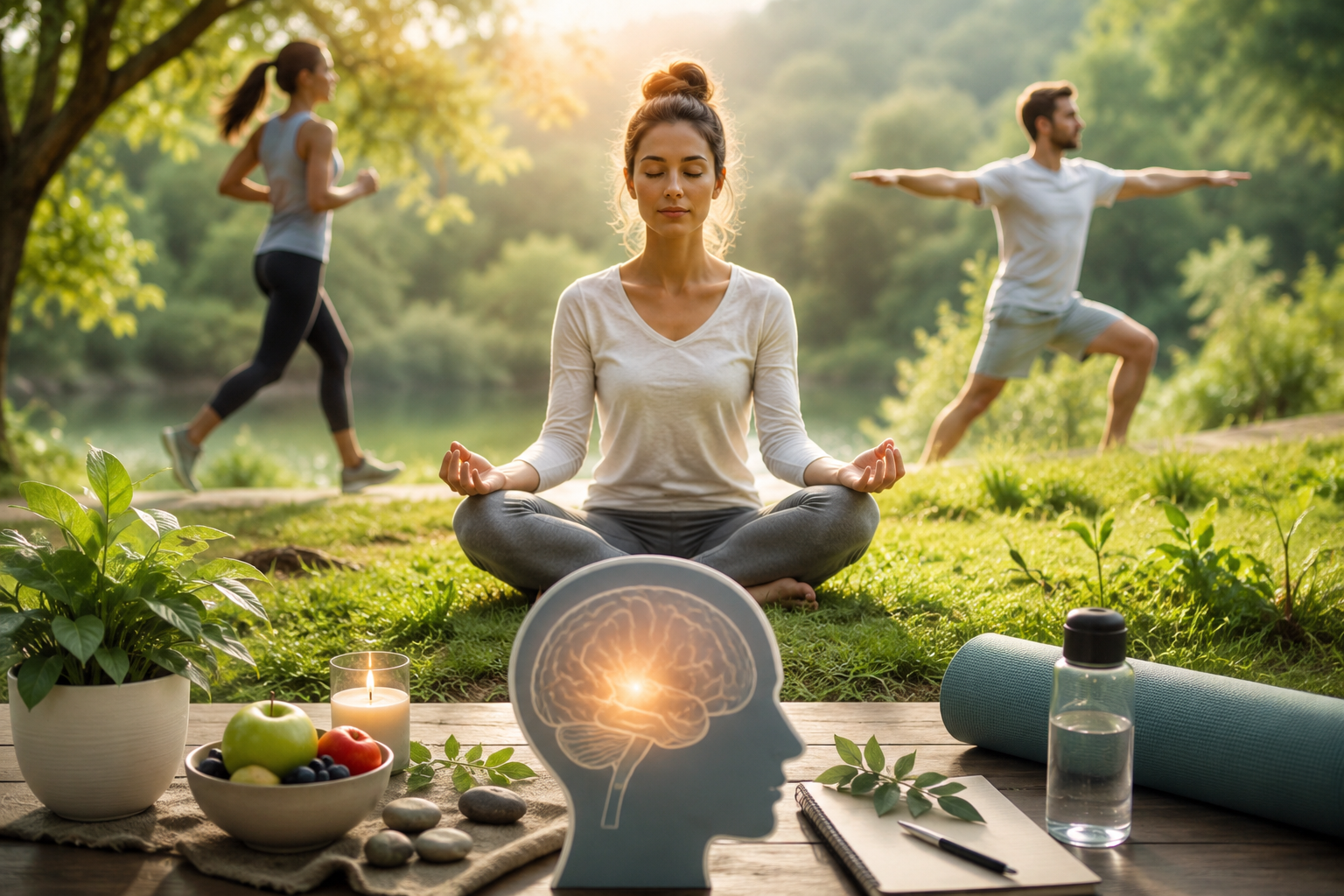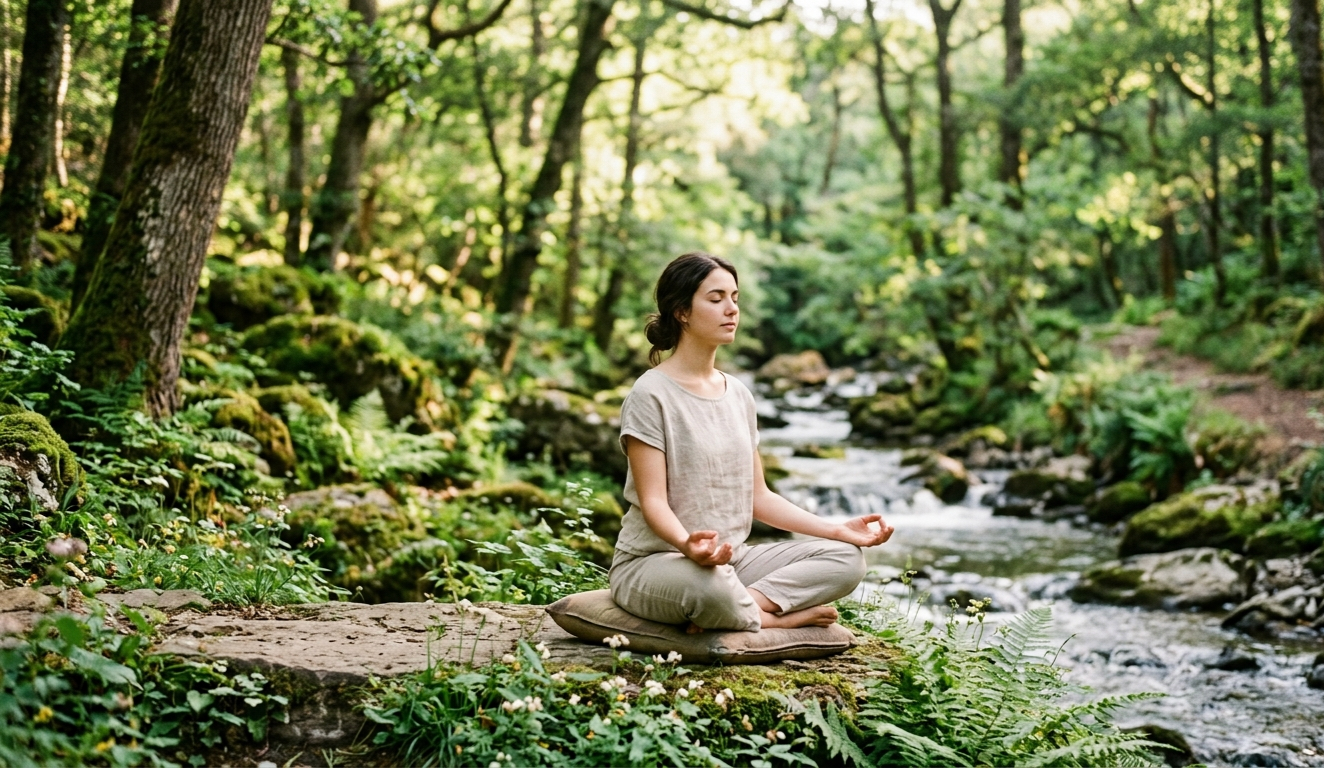
In today’s busy world, many people struggle with stress, anxiety, and overthinking. A restless mind can affect your health, relationships, sleep, and daily happiness. Whether stress comes from work, studies, family responsibilities, or personal challenges, finding natural ways to calm your mind is important for living a healthier and more peaceful life.
The good news is that you do not always need expensive treatments or complicated solutions to feel mentally relaxed. Small lifestyle changes and simple daily habits can help you feel calmer, happier, and more balanced naturally.
This article will guide you through effective and natural ways to calm your mind and improve your mental well-being.
Understanding Why the Mind Feels Restless
Before learning how to calm your mind, it is important to understand why mental stress happens. Your mind becomes overwhelmed when you constantly deal with pressure, fear, negative thoughts, or emotional exhaustion.
Common causes include:
- Work pressure
- Financial stress
- Family problems
- Lack of sleep
- Social media overload
- Poor eating habits
- Negative thinking
- Anxiety about the future
When stress builds up, your brain stays active even when your body wants rest. This can lead to overthinking, irritation, fatigue, and emotional imbalance.
The key to calming your mind naturally is creating healthy habits that help your brain relax and recover.
Practice Deep Breathing
One of the quickest and most natural ways to calm your mind is deep breathing. When you are stressed, your breathing becomes fast and shallow. Slow breathing sends a signal to your brain that your body is safe and relaxed.
Try this simple breathing exercise:
- Sit comfortably in a quiet place.
- Inhale slowly through your nose for 4 seconds.
- Hold your breath for 4 seconds.
- Exhale slowly through your mouth for 6 seconds.
- Repeat for 5 to 10 minutes.
Deep breathing reduces anxiety, lowers heart rate, and helps your mind feel peaceful almost immediately.
Spend Time in Nature
Nature has a powerful calming effect on the human mind. Fresh air, sunlight, trees, and natural sounds can reduce stress and improve emotional health.
Take a walk in a park, sit near greenery, or spend time outdoors whenever possible. Even 20 minutes in nature can help clear your thoughts and improve your mood.
Natural environments help reduce mental fatigue and make your brain feel refreshed.
Get Enough Sleep
Lack of sleep is one of the biggest reasons for mental stress and emotional imbalance. Your brain needs proper rest to function well.
To improve sleep naturally:
- Sleep and wake up at the same time daily
- Avoid mobile phones before bed
- Reduce caffeine intake at night
- Keep your bedroom quiet and comfortable
- Avoid heavy meals late at night
Most adults need around 7 to 9 hours of quality sleep each night. Good sleep improves concentration, emotional control, and mental calmness.
Reduce Social Media Usage
Constant scrolling on social media can overload your brain with information, comparison, and negativity. This often increases anxiety and stress.
Try limiting screen time and taking breaks from social media during the day. Use that time for reading, exercise, or spending time with loved ones instead.
A digital detox helps your mind slow down and feel less overwhelmed.
Practice Meditation Daily
Meditation is one of the most effective natural techniques for calming the mind. It helps you focus on the present moment instead of worrying about the past or future.
You do not need special equipment or long hours to meditate.
Simple meditation steps:
- Sit quietly in a comfortable position
- Close your eyes
- Focus on your breathing
- Let thoughts come and go without reacting
- Practice for 10 to 15 minutes daily
Regular meditation can improve emotional balance, reduce anxiety, and increase inner peace.
Exercise Regularly
Physical activity is not only good for the body but also excellent for mental health. Exercise releases endorphins, which are natural chemicals that improve mood and reduce stress.
You do not need intense workouts to feel better. Simple activities can help, including:
- Walking
- Jogging
- Cycling
- Yoga
- Stretching
- Dancing
Even 30 minutes of movement daily can make a big difference in calming your mind naturally.
Eat Healthy Foods
Your diet directly affects your mental health. Processed foods, excessive sugar, and unhealthy eating habits can increase stress and fatigue.
Foods that support mental calmness include:
- Fruits and vegetables
- Nuts and seeds
- Fish rich in omega-3
- Whole grains
- Herbal teas
- Dark chocolate in moderation
Drinking enough water is also important because dehydration can affect mood and concentration.
A healthy diet helps your brain function properly and supports emotional stability.
Listen to Calm Music
Music has a strong effect on emotions and mental relaxation. Soft and peaceful music can reduce stress hormones and help your mind feel calmer.
Classical music, nature sounds, instrumental tracks, or relaxing background music can create a peaceful atmosphere.
Listening to calm music before sleep or during stressful moments may help reduce anxiety naturally.
Write Down Your Thoughts
Sometimes the mind feels heavy because emotions stay trapped inside. Writing your thoughts in a journal can help release stress and organize your feelings.
You can write about:
- Daily experiences
- Worries
- Goals
- Gratitude
- Positive thoughts
Journaling helps clear mental clutter and improves emotional awareness.
Practice Gratitude
Focusing only on problems can make the mind feel exhausted. Gratitude shifts your attention toward positive things in life.
Every day, write down three things you are thankful for. They can be simple things like:
- Good health
- Family support
- A peaceful moment
- A delicious meal
- A beautiful sunset
Gratitude helps create positive thinking and emotional peace.
Avoid Overthinking
Overthinking is one of the biggest causes of mental stress. Thinking repeatedly about situations you cannot control drains your energy and creates anxiety.
To reduce overthinking:
- Focus on solutions instead of problems
- Stay busy with productive activities
- Practice mindfulness
- Talk to someone you trust
- Accept that not everything can be controlled
Learning to let go of unnecessary worries is important for mental calmness.
Connect with Positive People
The people around you can strongly affect your mental state. Spending time with supportive and positive individuals can help reduce stress and improve happiness.
Healthy conversations, laughter, and emotional support help your mind feel lighter and more relaxed.
Try to avoid toxic environments and relationships that constantly create negativity.
Try Herbal Remedies
Certain natural herbs may help promote relaxation and reduce stress. Popular calming herbal options include:
- Chamomile tea
- Lavender
- Ashwagandha
- Peppermint tea
- Lemon balm
These natural remedies may help improve relaxation and sleep quality. However, it is always good to use them responsibly.
Learn to Slow Down
Modern life often feels rushed and overwhelming. Many people constantly multitask, which keeps the mind under pressure.
Take short breaks during the day. Slow down while eating, walking, or working. Give your brain time to relax instead of staying busy every second.
Peace often comes from simplicity and balance.
Final Thoughts
Calming your mind naturally is not about removing every problem from life. It is about learning healthy ways to manage stress and create inner peace. Small daily habits can make a huge difference in your mental well-being over time.
Deep breathing, exercise, meditation, healthy eating, proper sleep, and spending time in nature are all powerful natural methods to reduce stress and improve emotional balance.
Remember that mental peace is a journey, not a quick fix. Be patient with yourself and focus on progress instead of perfection. With consistent effort and healthy habits, you can build a calmer, happier, and healthier mind naturally.